
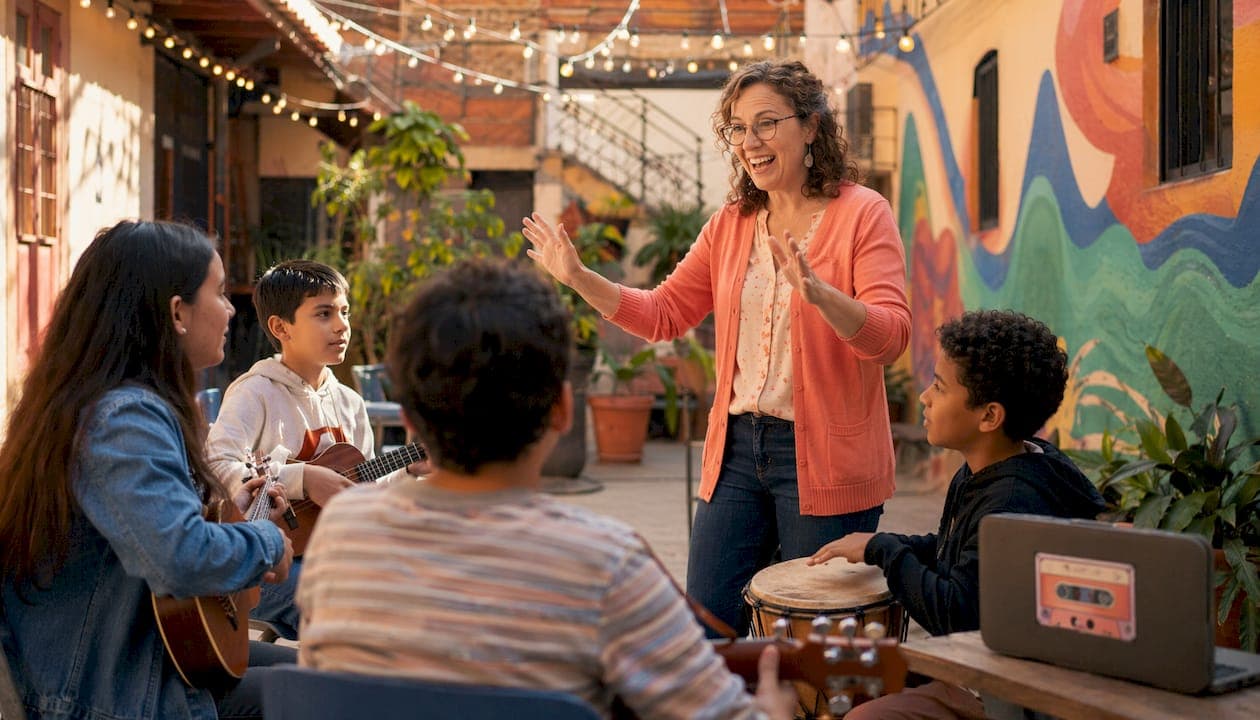
Schools are the primary institutions that define the role of schools in local music culture, acting as the point where cultural heritage, student identity, and community engagement converge. When a school runs a jazz ensemble, teaches folk traditions, or releases student recordings on Spotify, it does more than fill an elective slot. It builds the musical DNA of an entire neighborhood. Research confirms that sustained music instruction produces measurable cognitive gains, while community partnerships with programs like the Trombone Shorty Academy show what schools can accomplish when they look beyond their own walls. The impact of education on music reaches far deeper than most educators and community members realize.
What is the role of schools in local music culture?
Schools are defined as cultural and educational hubs that shape how local music traditions survive, evolve, and reach new generations. This is not a peripheral function. It is one of the most direct ways a community transmits its musical identity from one generation to the next.
Music education researchers view schools as critical nexuses where community values and student identity intersect. That framing matters because it shifts the conversation from "music as an elective" to "music as community infrastructure." A school that drops its band program does not just lose a class. It removes a cultural anchor from the neighborhood.
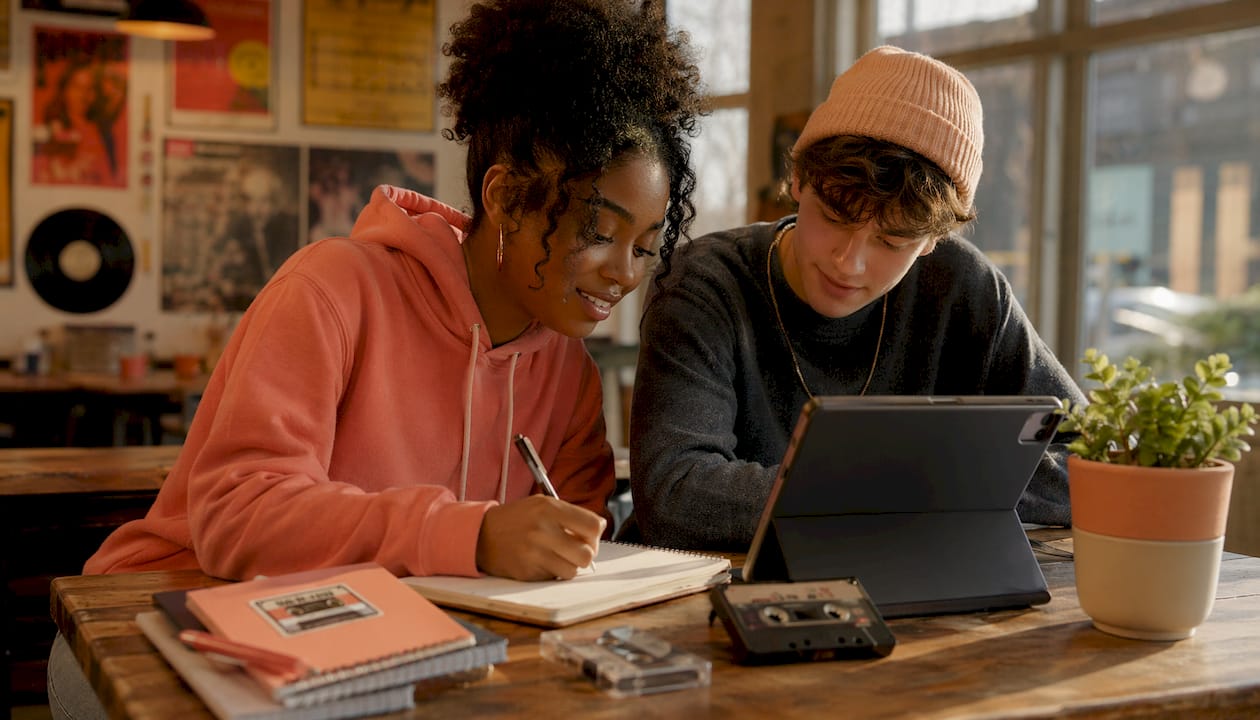
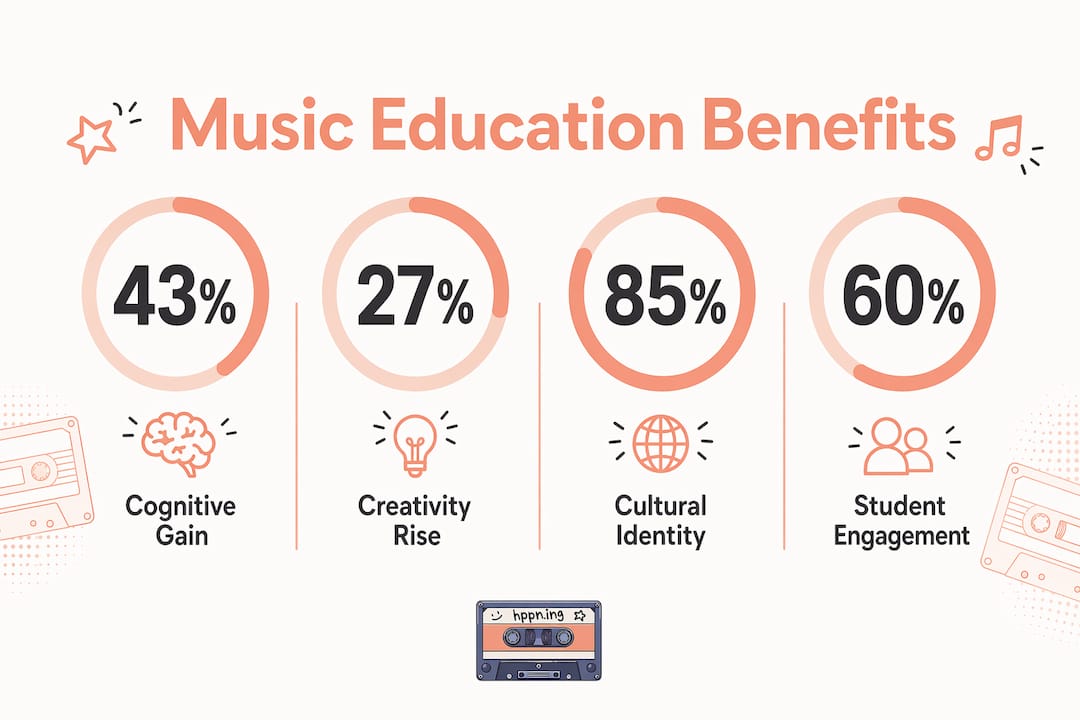
The importance of music in schools also shows up in student development. A 2026 longitudinal study tracking 1,286 students across 24 schools found effect sizes of 0.43 in working memory and 0.38 in cognitive flexibility among students receiving sustained instrumental instruction. Those numbers place music education in the same effectiveness range as dedicated reading interventions. Schools that treat music as expendable are making a costly trade-off.
How do schools integrate local music traditions and contemporary practices?
Schools that do this well do not choose between heritage and innovation. They teach both, and they use each to make the other more relevant.
Preserving tradition through structured programs
Nguyen Thai Hoc Primary School in Ho Chi Minh City offers one of the clearest examples of schools fostering local music. The school integrated Southern Vietnamese folk music into its curriculum through a club model, running two sessions weekly with local artisans as instructors. Funding came through an advanced education project starting in the 2025–2026 school year. The result is a program where professional culture bearers teach inside a school setting, giving students direct access to a living tradition that would otherwise exist only outside the classroom.
Engaging students through digital production
Contemporary songwriting and digital music production give students a reason to stay engaged with music education beyond the basics. Schools that release student music on Spotify report stronger motivation and portfolio development among participants. Students who can point to a real release on a global platform treat the work differently than students completing a worksheet. That shift in stakes changes the quality of effort.
| Approach | Focus | Instructor model | Student outcome |
|---|---|---|---|
| Traditional music integration | Cultural heritage, folk forms | Community artisans, culture bearers | Cultural identity, historical literacy |
| Contemporary production | Songwriting, digital tools | Music teachers, industry guests | Portfolio, platform presence |
| Hybrid model | Both heritage and modern forms | Mixed team of teachers and community | Broad musical fluency |
Pro Tip: When building a music curriculum, allocate at least one unit per semester to a local musical tradition. Pair it with a digital production unit so students can record and share what they learn. The combination creates both cultural depth and modern relevance.
What cognitive and developmental benefits does music education provide?
Music education is a brain-based intervention, not just an arts program. Educational neuroscience research classifies music programs as tools for improving executive function and emotional regulation, two capacities that affect every other area of academic and social life.
The 2026 longitudinal study mentioned earlier is specific about what changes. Students receiving sustained instrumental instruction showed gains in working memory and cognitive flexibility at effect sizes that researchers describe as educationally significant. Working memory supports reading comprehension and math reasoning. Cognitive flexibility supports problem-solving and adaptability. Music builds both.
The developmental benefits extend beyond cognition. Music instruction supports students who struggle with anxiety or disengagement by giving them a structured, expressive outlet. That makes music education especially valuable for diverse learners who may not respond to traditional academic formats. Schools that understand this use music programs as part of a whole-child approach rather than treating them as a reward for students who are already succeeding.
Key cognitive and social benefits of sustained music education include:
- Improved working memory, with a measured effect size of 0.43 in a 2026 study of 1,286 students
- Stronger cognitive flexibility, supporting adaptability in academic and social settings
- Better emotional regulation, reducing anxiety and improving classroom engagement
- Enhanced executive function, which transfers directly to reading, math, and planning tasks
- Increased student motivation and sense of identity through creative ownership of music
How do schools partner with local musicians and cultural organizations?
Schools that treat local musicians as partners rather than visitors build programs that outlast any single teacher or administrator. The music education community role expands significantly when schools open their doors to working artists.
The Trombone Shorty Academy and Bluebird School in New Orleans demonstrate what this looks like at scale. Both programs provide free music education to teens aged 13–18, offering instrument access, music history education, and performance opportunities. They fill gaps that school budgets often leave open, and they do it by treating the community's musical heritage as the curriculum itself.
Successful partnerships follow a clear sequence:
- Identify local culture bearers. Find musicians, artisans, and educators in the community who carry specific musical knowledge that the school cannot replicate internally.
- Validate their expertise formally. Bring them in as guest instructors with defined roles, not just one-time visitors. This signals to students that community knowledge has real standing.
- Facilitate role reversals. Addressing the status gap between academic training and community knowledge is one of the most important steps. Teachers become learners. Students see that expertise takes many forms.
- Create performance pipelines. Connect student work to real venues and audiences through community music events that give school programs public visibility.
- Formalize the relationship. Document the partnership, secure recurring funding, and build it into the school calendar so it survives leadership changes.
Pro Tip: When bringing community musicians into a school, brief both parties on expectations before the first session. Teachers should be prepared to step back. Community instructors should know the school's learning objectives. That alignment prevents the most common friction point in these partnerships.
What strategies help schools sustain local music culture long term?
Sustainability is the hardest part of school music programs. A single passionate teacher can build something remarkable, and a single budget cut can end it. Visionary management and policy-driven resource allocation are the two factors that research consistently identifies as essential for keeping local music culture alive in schools.
Administrators who treat music as a core program rather than an enrichment add-on make different decisions about staffing, scheduling, and funding. They write music into the school improvement plan. They pursue grants from arts councils and local foundations. They build relationships with community organizations before a budget crisis forces the issue.
| Strategy | What it requires | Long-term benefit |
|---|---|---|
| Policy integration | Administrators include music in school improvement plans | Program survives leadership changes |
| Community partnerships | Formal agreements with local artists and organizations | Consistent cultural transmission |
| Student-led production | Time, equipment, and teacher support for original work | Student ownership and engagement |
| Dedicated funding | Grant writing, arts council relationships, local sponsors | Reduced vulnerability to budget cuts |
Schools that want to support live local music in their communities should also think about what happens after graduation. Students who learn to value local music scenes become the adults who attend shows, support emerging artists, and keep those scenes financially viable. The school's influence on music culture does not end at the classroom door.
Key Takeaways
Schools that treat music as community infrastructure, not just curriculum, produce measurable cognitive gains, preserve cultural heritage, and build the local music ecosystems that sustain artists and audiences for decades.
| Point | Details |
|---|---|
| Schools shape cultural identity | Music programs transmit local traditions and build student identity within the community. |
| Cognitive gains are measurable | A 2026 study found effect sizes of 0.43 in working memory among students with sustained music instruction. |
| Community partnerships matter | Programs like the Trombone Shorty Academy show how schools and local artists can fill each other's gaps. |
| Status gaps need active management | Role reversals between teachers and community musicians improve program quality and cultural respect. |
| Sustainability requires policy | Visionary administrators who embed music in school policy protect programs from budget volatility. |
What I've learned watching schools get this right and wrong
The schools that get this right share one trait: they treat local musicians as colleagues, not guests. I have watched programs thrive when a principal decides that a community artisan's knowledge is as valid as a certified teacher's. I have also watched programs collapse when that same principal leaves and no one thought to write the partnership into a formal agreement.
The cognitive research is compelling, and educators should use it to make the case for funding. But the deeper argument for music education is cultural. A school that teaches the music of its community tells students that where they come from has value. That message does not show up in a standardized test score, but it shapes how students engage with their neighborhood for the rest of their lives.
The trend I find most encouraging is student-led production. When students release original music on platforms with real audiences, they stop thinking of music class as something that happens to them. They start thinking of themselves as musicians. That shift in identity is what local music scenes need most. Schools that create it are doing something no streaming algorithm can replicate.
The uncomfortable truth is that most schools are not doing enough. Music programs are still the first cut when budgets tighten, even as the research case for their value grows stronger every year. Educators and community members who understand how schools influence music culture need to make that case loudly and repeatedly, with data and with stories.
— Ari
Where to find the local music your school helped create
Schools plant the seeds. The local music scene is where those seeds grow into something you can actually hear on a Friday night.
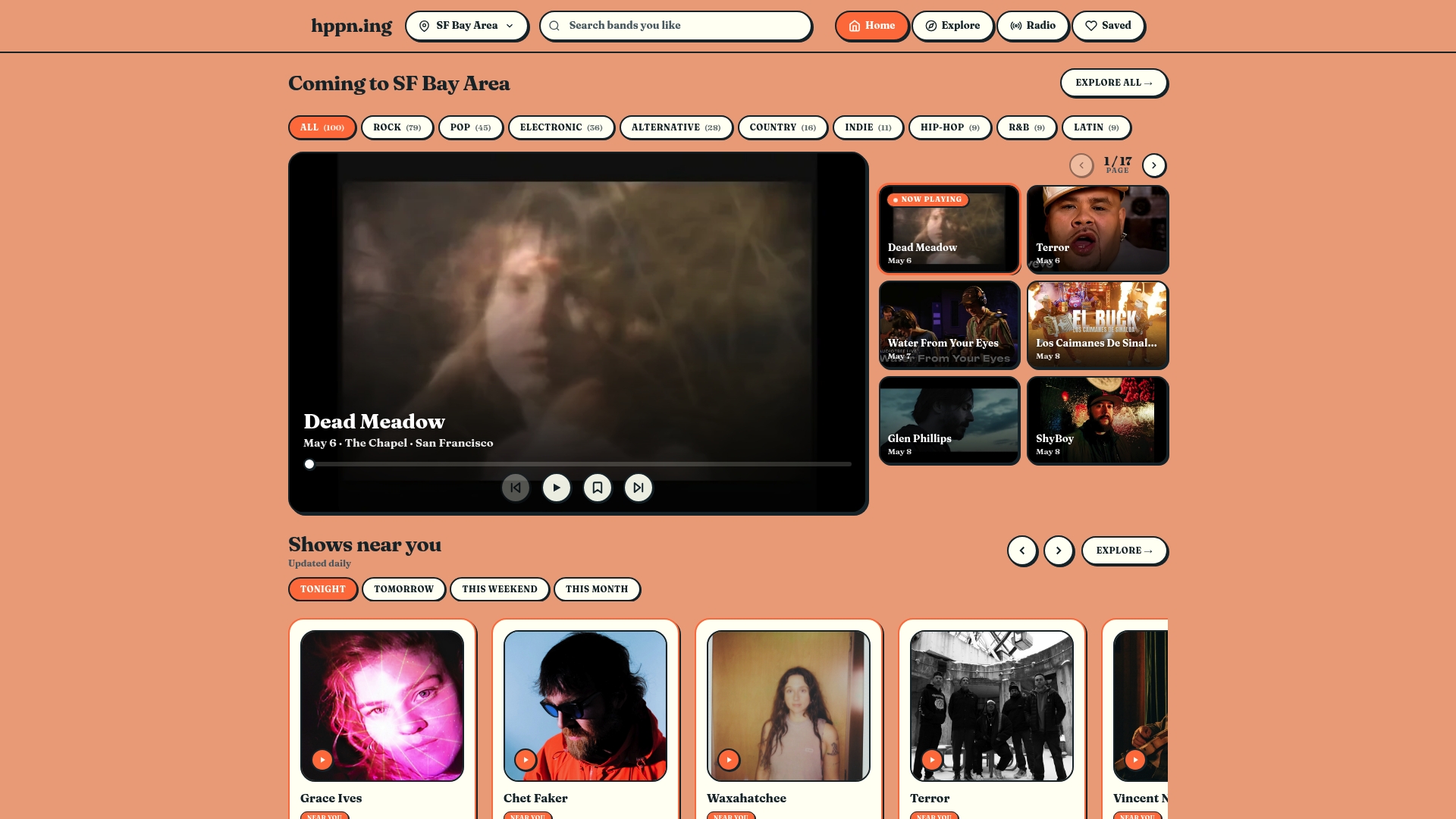
Hppn is built for exactly that connection. The platform lets you preview local artists by video and audio before you buy a ticket, browse concerts by location, and find emerging performers who came up through the same community programs this article describes. Whether you are an educator looking to connect students with real-world music opportunities or a community member who wants to support the artists your neighborhood produced, Hppn puts the local scene in front of you. The music events that strengthen communities start in schools and finish on stages. Hppn helps you find both.
FAQ
What is the role of schools in local music culture?
Schools preserve and transmit local musical traditions, provide students with cognitive and creative development through music instruction, and serve as hubs connecting community artists with young learners. Research identifies schools as critical nexuses where community values and student identity intersect through music.
How does music education affect student cognitive development?
A 2026 longitudinal study of 1,286 students found that sustained instrumental instruction produced effect sizes of 0.43 in working memory and 0.38 in cognitive flexibility. These gains support academic performance across reading, math, and problem-solving.
How can schools partner with local musicians effectively?
Schools should formally validate community musicians as co-educators, facilitate role reversals between teachers and culture bearers, and build partnerships into official school policy. Formalizing the relationship protects it from leadership changes and budget cuts.
Why do school music programs get cut so often?
Music programs are frequently classified as enrichment rather than core curriculum, making them vulnerable when budgets tighten. Research on cognitive and emotional benefits, combined with policy-level advocacy from administrators, is the most effective defense against cuts.
How do schools influence music culture beyond the classroom?
Students who learn to value local music traditions become adults who attend live shows, support emerging artists, and sustain local music economies. The impact of education on music extends across decades, shaping the audiences and communities that keep local scenes alive.