
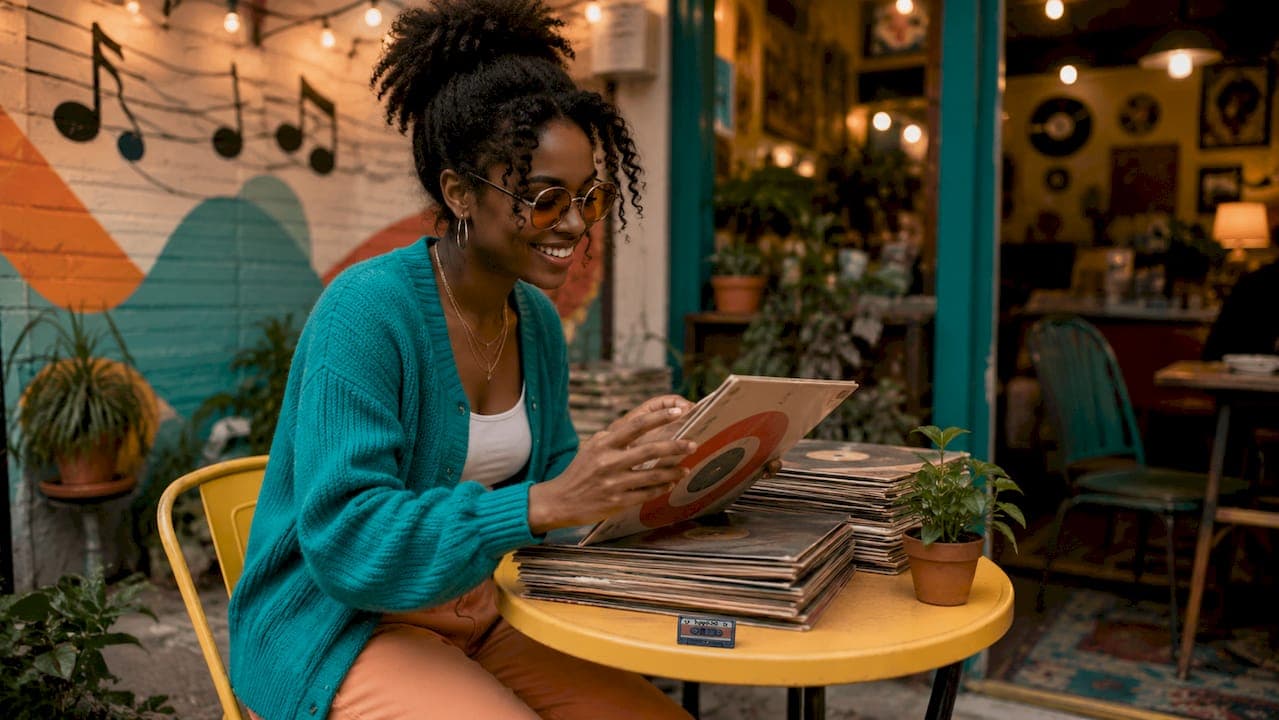
Discovering niche music genres locally is best achieved through community-driven exploration, not streaming algorithms. Local underground music scenes thrive in physical venues, Discord servers, and the hands of dedicated tastemakers who know their city's sound far better than any recommendation engine. Community-driven hubs like Bandcamp's location filters and genre-specific Discord servers now account for the majority of deep music discovery, a trend that accelerated sharply through 2025 and into 2026. The fans who find the most interesting music are the ones who show up, ask questions, and follow the people shaping their local scene.
How to discover niche music genres locally: tools and resources
The right tools make the difference between stumbling onto one good show and building a map of your entire local underground scene. 70–80% of deep music discovery in 2026 happens through community-driven hubs rather than streaming algorithms. That means your starting point should be platforms and people, not playlists.
Digital tools worth using:
- Bandcamp: Use the location filter to find artists based in your city or region. Many niche acts release music here before they ever play a ticketed show.
- Discord: Search for servers dedicated to your city's music scene or specific micro-genres. These communities share show announcements, demos, and insider tips in real time.
- Instagram and Facebook: Follow local venues, promoters, and artists directly. Their stories and posts often announce shows days before any event listing site picks them up.
- Local event calendars: Many cities have independent music blogs or zines that publish weekly event roundups covering shows that never appear on major ticketing platforms.
Physical resources matter just as much. Record stores, independent coffee shops, and community radio stations often post flyers for shows that exist entirely outside the digital world. Frequenting local record stores and asking staff directly can surface community-run spaces and events that have no online presence at all.
Pro Tip: Follow promoters and local DJs on social media rather than just venues. Promoters move between spaces and bring their scene with them. One good promoter account can unlock an entire network of niche shows you would never find through a venue's page alone.
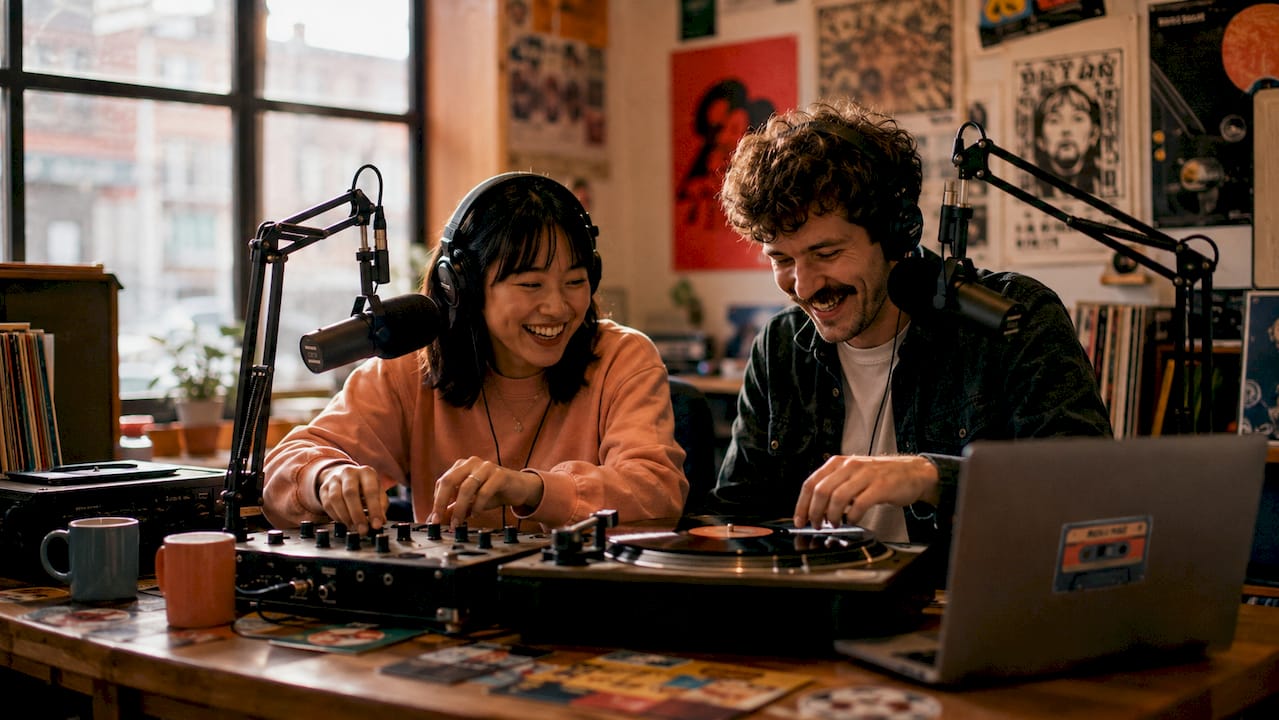
The goal at this stage is to build a personal map of your local music ecosystem. Identify three to five key people or accounts that consistently point toward interesting shows, and let them guide your calendar.
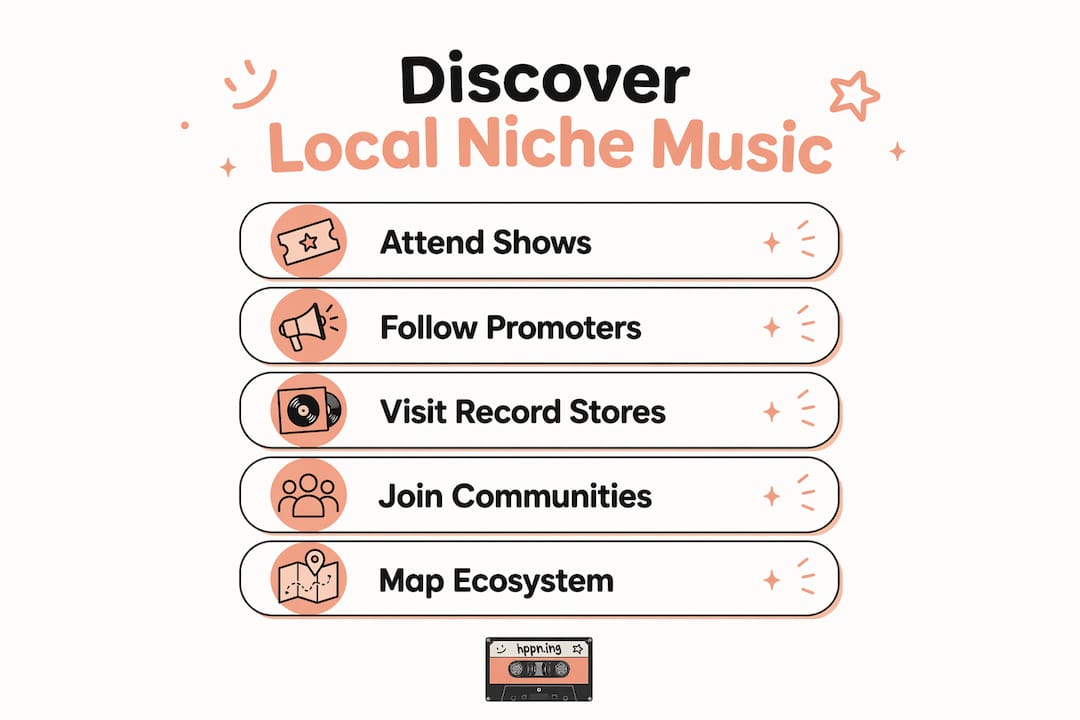
How to engage with live local music scenes to find unique genres
Attending live shows is the fastest way to go deep into a local niche scene. The key is how you attend, not just that you attend.
-
Prioritize mixed-bill shows over single-headliner events. Mixed-bill shows pack multiple acts from different corners of the local scene onto one stage. Focusing on support acts over headliners boosts niche genre discoveries by 50–60% per show. The opener you almost skipped is often the most interesting artist of the night.
-
Read every line of the event flyer. Flyers list support acts, promoters, labels, and collectives. Repeated organizer and label names across multiple flyers signal a connected underground scene. When you see the same promoter name on three different flyers across three different venues, you have found a scene worth following.
-
Follow the "thank you" lists. Many artists post thank-you acknowledgments after shows on social media. These lists name the promoters, sound engineers, and fellow musicians who made the night happen. Each name is a thread that pulls you deeper into the local network.
-
Talk to people at shows. Ask the person next to you what else they have been to recently. Ask the bartender which nights draw the most interesting crowds. Local knowledge travels by word of mouth faster than it ever appears online.
-
Attend cross-genre events. Niche music scenes thrive on cross-pollination, with active explorers moving between queer clubs, punk basements, and raver hubs. A jazz fan who shows up to an experimental electronic night often discovers a shared community and a set of artists they never would have found otherwise.
Pro Tip: Arrive early. The first act on a mixed bill is often the most underground, and the crowd at that point is usually the most connected to the local scene. Introduce yourself. Those early arrivals are often the organizers, regulars, and artists themselves.
The local music events guide on Hppn's blog breaks down how to locate festivals and niche genre events by city, which pairs well with the in-person tactics above.
How do digital communities amplify local niche music discovery?
Digital communities do not replace physical attendance. They extend it. The most effective approach combines both, using online spaces to prepare for and follow up on live experiences.
Discord servers dedicated to local music scenes function as living archives. Members share set lists, post recordings of local shows, and announce events before they appear anywhere else. Joining two or three city-specific or genre-specific servers gives you a real-time feed of what is happening underground. Manual curation replaced 90% of algorithmic reliance for niche genre explorers in 2026, and Discord is one of the primary reasons why.
Bandcamp's location-based filters serve a different but equally important function. You can search for artists based in a specific city, browse their releases, and often find links to their upcoming shows or social profiles. Many niche acts use Bandcamp as their primary release platform precisely because it reaches listeners who are actively searching, not passively receiving algorithm suggestions.
What to look for in a discovery platform:
- Location filtering that works at the city or neighborhood level
- Artist preview features (audio or video) so you can sample before you commit to a show
- Community notes or discussion features where fans share tips
- Curated lists built by local tastemakers rather than generated by retention-focused algorithms
Streaming algorithms prioritize retention and are structurally ineffective for discovering new niche genres. They surface what you already like, not what you have not heard yet. Human editorial curation, whether from a local radio DJ, a Bandcamp scene report, or a Discord moderator, consistently outperforms algorithmic recommendations for genuine discovery.
Hppn combines location-based concert discovery with artist previews and community discussion in one place. Fans can browse concerts by location and preview artists before committing to a show, which closes the gap between digital discovery and live attendance.
Common pitfalls when exploring niche local music scenes
Most fans hit the same walls when they start exploring local underground music. Recognizing these obstacles early saves weeks of frustration.
The most common mistakes:
- Relying only on mainstream streaming playlists. Algorithmic playlists are built to keep you listening, not to challenge your taste. They recycle familiar sounds and rarely surface artists with fewer than a few thousand monthly listeners.
- Searching by genre name on streaming apps. In smaller cities, niche scenes cluster by venue type rather than by genre label. Searching "ambient music near me" on a streaming app returns nothing useful. Mapping physical hubs like skate spaces, community radio stations, and DIY venues is far more effective.
- Expecting everything to be online. Exclusive niche shows like DIY house parties or warehouse events are often never advertised online. They require direct offline engagement to find.
- Following only venues instead of people. Following promoters, record store owners, and college radio DJs provides richer discovery than following venues alone. These individuals act as cultural archives, guiding listeners to distinctive local sounds.
"The underground does not come to you. You have to build relationships with the people who already live inside it. Patience and consistent presence matter more than any app or algorithm."
Fragmented information is the norm in niche scenes, not the exception. The solution is to use multiple sources simultaneously: flyers, social media, Discord, record store staff, and in-person conversations. No single source gives you the full picture. The fans who find the most interesting music treat discovery as an ongoing practice, not a one-time search.
For a deeper look at finding genre-specific live shows in 2026, Hppn's blog covers current strategies by city and genre type.
Key Takeaways
Discovering niche music genres locally requires community-driven tools, physical presence at mixed-bill shows, and consistent engagement with local scene figures rather than reliance on streaming algorithms.
| Point | Details |
|---|---|
| Community over algorithms | 70–80% of deep music discovery in 2026 happens via Discord and Bandcamp, not streaming apps. |
| Read flyers completely | Repeated promoter and label names across flyers reveal connected underground scenes. |
| Follow people, not just places | Promoters, record store owners, and college radio DJs are the most reliable discovery guides. |
| Attend mixed-bill shows | Prioritizing support acts over headliners increases niche genre discoveries significantly per show. |
| Combine digital and in-person | Online communities prepare you for live shows; physical attendance deepens your scene knowledge. |
What I have learned from years inside local music scenes
The most surprising thing about finding niche music locally is how little of it requires technology. My best discoveries came from conversations at the merch table, from a flyer I almost threw away, and from a record store owner in a city I was visiting for one night who pointed me toward a basement show that changed what I thought music could sound like.
Algorithms gave me comfort. People gave me revelation.
I have watched fans spend months trying to find their city's underground scene through streaming apps and come up empty. The same fans, after one conversation with a local promoter or one visit to the right record store, suddenly had a full calendar of shows and a group of people to attend them with. The infrastructure was always there. They just needed the right entry point.
Cross-genre exploration is the move most fans resist and the one that pays off most consistently. The fan who only goes to shows within their preferred genre builds a narrow map. The fan who shows up to a noise show, a cumbia night, and an experimental jazz set in the same month builds a network. Those networks are where the most interesting music lives.
Local scenes are not static. They shift with the people who show up. As a fan, your presence and curiosity are part of what keeps a scene alive. The best thing you can do for local underground music is attend, talk, and come back.
— Ari
Hppn makes local niche music easier to find
Hppn is built for exactly the kind of music fan this article is written for. The platform pulls together live music listings, artist previews, and community discussion in one place, focused on emerging and underground acts rather than mainstream headliners.
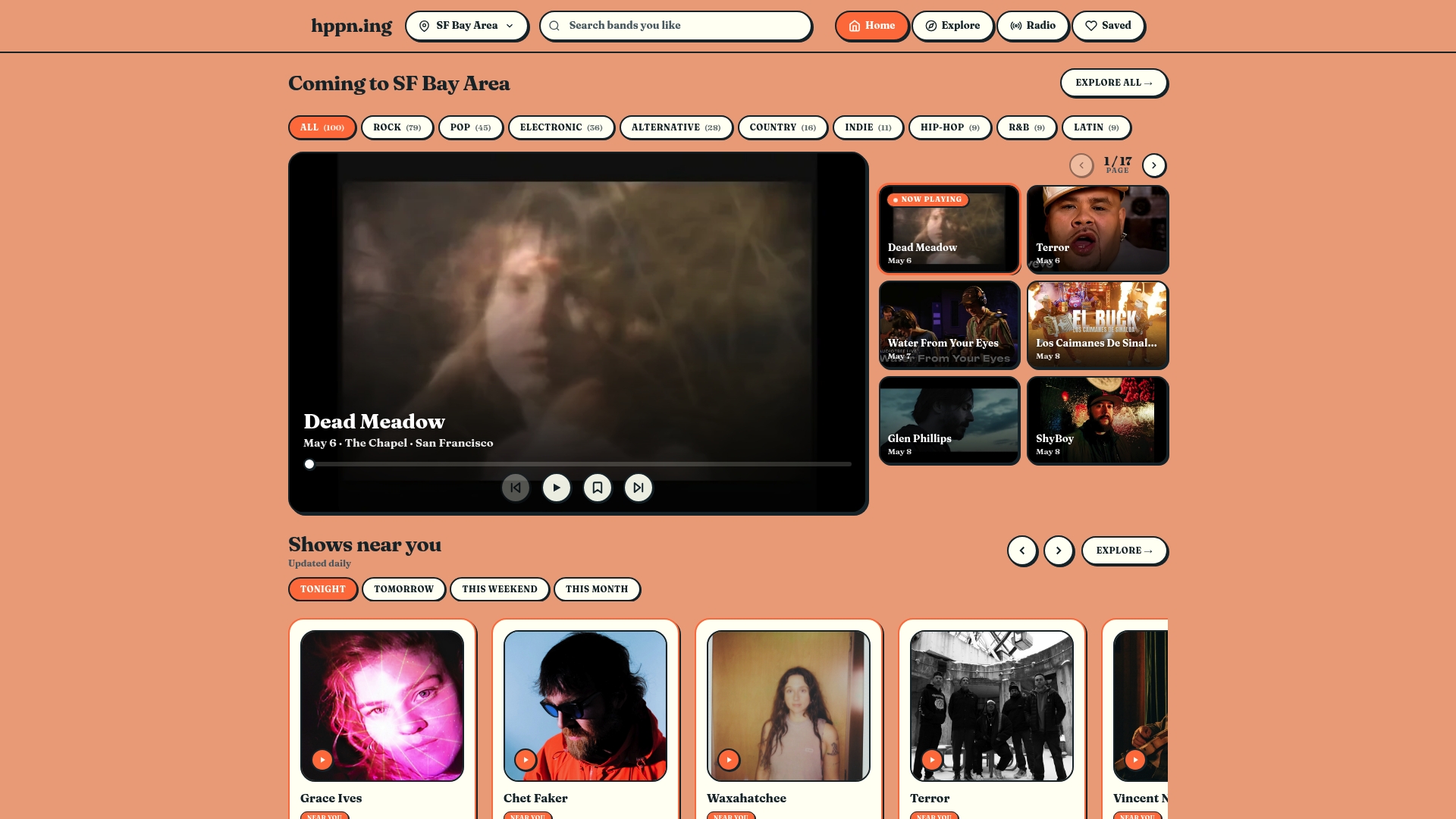
You can preview local artists before committing to a show, browse concerts filtered by your location, and follow trending acts in your city as they build momentum. Hppn also surfaces shows from smaller venues and independent promoters that rarely appear on major ticketing platforms. For fans who want to stay connected to their local niche scene without piecing together information from a dozen different sources, Hppn is the most direct path from curiosity to a ticket in hand.
FAQ
What is the best way to discover niche music genres locally?
The most effective method combines attending mixed-bill live shows with following local promoters and scene figures on social media and Discord. Community-driven discovery consistently outperforms streaming algorithms for finding underground and niche genres.
Why don't streaming algorithms surface niche local music?
Streaming algorithms prioritize listener retention, which means they favor familiar sounds over genuinely new discoveries. Human curation from local tastemakers, radio DJs, and community hubs reaches niche genres that algorithms structurally ignore.
How do I find underground shows that are not advertised online?
Visit local record stores, independent coffee shops, and community radio stations and ask staff directly. Many DIY house parties and warehouse events are never posted online and require in-person inquiry to find.
What should I look for when reading event flyers?
Look for recurring promoter names, label names, and collective names across multiple flyers. Repeated names signal a connected underground scene and give you specific people and organizations to follow for future events.
How does Hppn help fans find niche local music?
Hppn lets fans browse concerts by location, preview artists through audio and video, and access community notes from other music fans. The platform focuses on emerging and underground acts, making it easier to find niche shows that mainstream ticketing sites miss.