
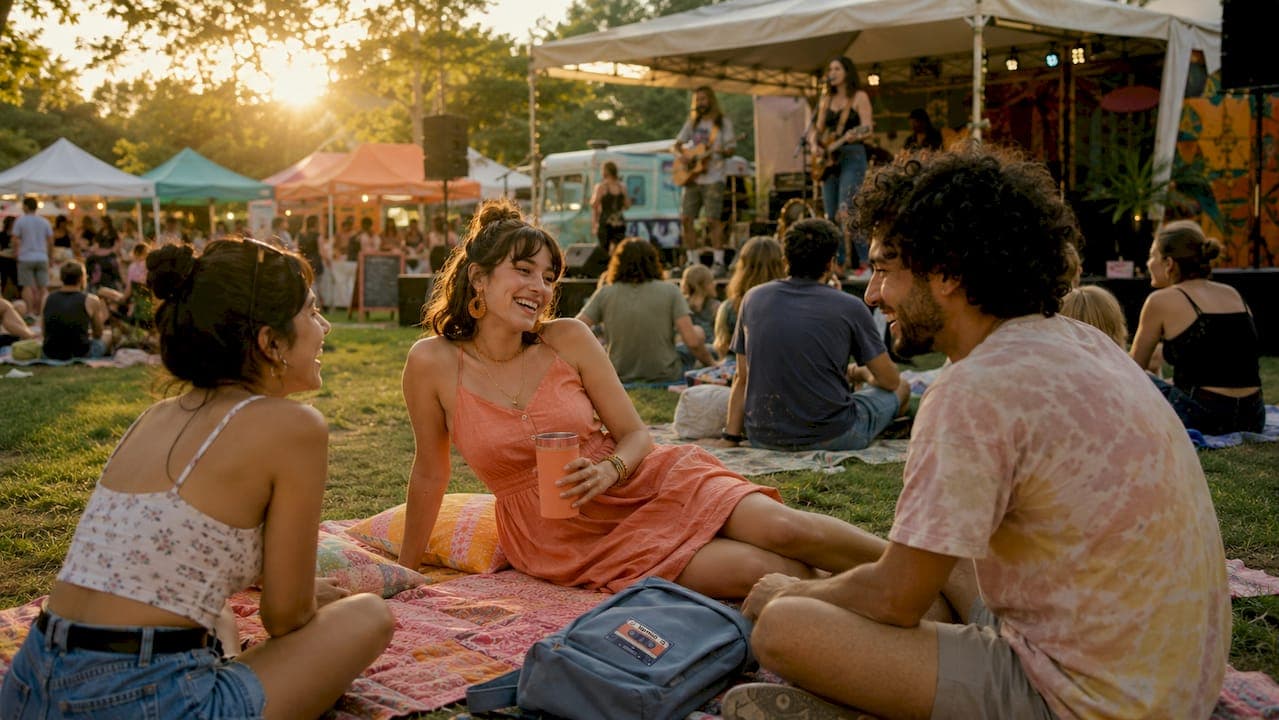
Local music festivals and community gatherings are defined as participatory public events where residents of any skill level discover, perform, and connect through live music in shared spaces. The best way to find local music festivals community events is to look beyond ticketed concerts toward open-format jams, annual celebrations, and neighborhood stages that welcome everyone. Platforms like Apple Music Concerts, community radio stations like WEXT, and participatory programs like Make Music Day have made it easier than ever to locate upcoming music festivals and live music in your area without spending a dime on admission.
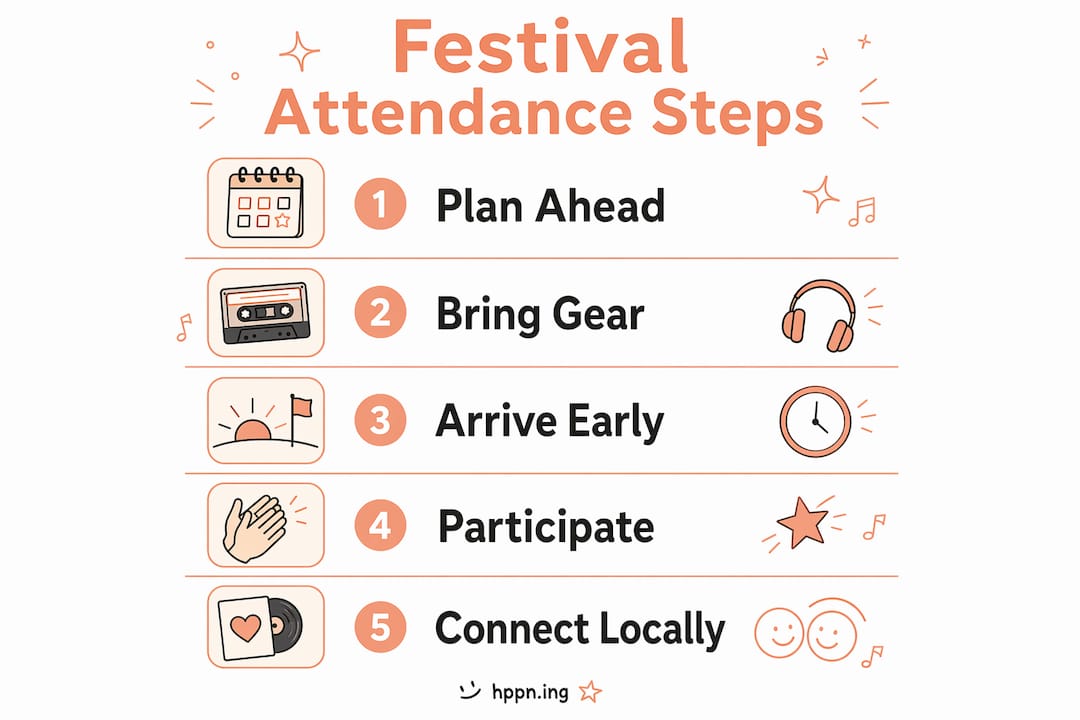
How to find local music festivals and community events
Community music gatherings fall into two broad categories: spectator festivals and participatory events. Spectator festivals put you in the crowd. Participatory events put you on stage, in a circle, or in a jam room. Both serve the same purpose: connecting music lovers with a living local scene.
The most direct path to discovering music events near you runs through three channels. First, use location-based digital platforms. Second, tap community radio and local media. Third, follow neighborhood boards and social media groups dedicated to your city's music scene.
Each channel surfaces different types of events. Digital platforms tend to list ticketed shows and larger festivals. Community radio and local boards surface the smaller, often free gatherings that build the tightest communities.
What are community-first music festivals?
Community-first music festivals are events designed around participation rather than performance. The format prioritizes access over prestige. Anyone can show up, join in, and belong.
Make Music Day is the clearest example in the United States. It runs as a free participatory event for all ages and skill levels, with simultaneous performances across multiple public locations from 10am to 10pm. Every genre is welcome. No audition is required. That format removes the single biggest barrier to community music engagement: the fear of not being good enough.
Circle Singing events follow a similar philosophy. Brooklyn Bridge Park's Skyline CircleSing, organized by Gaia Music Collective, runs as a spontaneous vocal jam led by a facilitator. Walk-ups are welcome. No prior experience is needed. The facilitator guides the group in real time, so even first-timers find their footing within minutes.
What makes these formats work is transparency. Organizers publish clear rules about who can join, when, and how. That clarity signals safety to newcomers.
- Open stage nights: Any musician can sign up on arrival, usually for a 10–15 minute slot.
- Circle Singing sessions: Facilitated vocal jams with no instruments required and no rehearsal needed.
- Make Music Day events: City-wide simultaneous performances across parks, storefronts, and public plazas.
- Potluck jams: Bring your instrument, share the stage, and rotate through sets with other local players.
Pro Tip: Search your city name plus "open stage" or "community jam" on Facebook Events or Meetup.com. These listings rarely appear on mainstream ticketing sites but represent the most welcoming entry points into your local music scene.
How to discover upcoming music festivals using digital and traditional tools
Finding live music in your area requires using the right tool for the right type of event. No single platform covers everything.
Digital platforms for local concert discovery
Apple Music's Concerts hub lets you set your location and filter concerts by city and date. That location-based filtering is the fastest way to generate a list of upcoming shows without scrolling through national tour announcements. The hub surfaces both large venues and smaller club shows, giving you a realistic picture of what is actually happening near you.
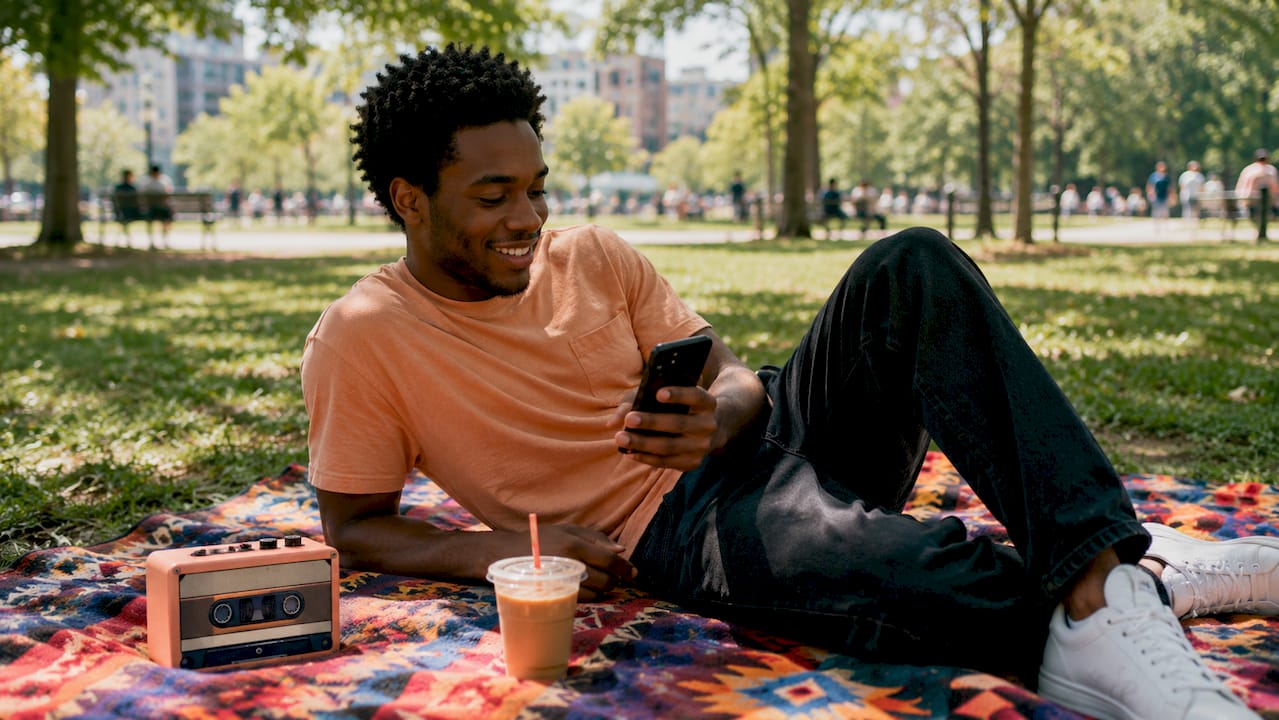
For emerging and underground artists, Hppn goes further. The platform lets you preview artists by location, browse trending local performers, and find shows tied to specific neighborhoods. That combination of artist discovery and event discovery in one place is what separates it from general ticketing tools.
Community radio and local media
Community radio stations are underused discovery tools. WEXT Radio, for example, publishes detailed festival listings that include date, time, and genre breakdowns for events like the Local 518 Fest. That level of detail lets you decide quickly whether an event fits your taste. Most major ticketing sites do not provide genre context at that granularity.
A practical discovery toolkit
| Tool | Best For | Cost |
|---|---|---|
| Apple Music Concerts Hub | Ticketed shows by city and date | Free to browse |
| Hppn | Emerging artists and local show discovery | Free |
| Community radio station websites | Free and low-cost local festivals | Free |
| Facebook Events and Meetup.com | Open jams, circle sings, neighborhood stages | Free |
| Local arts council websites | Annual festivals and grant-funded events | Free |
- Set your location on Apple Music Concerts and browse the next 30 days.
- Search Hppn by your city to find trending local artists with upcoming shows.
- Visit your local community radio station's website and check their events calendar.
- Search Facebook Events for your city plus terms like "jam session," "open mic," or "music festival."
- Check your city's arts council or parks department website for permitted outdoor events.
Pro Tip: Arts council websites often list events six months in advance. Bookmark your local council's events page and check it at the start of each season to catch festivals before they sell out or fill up.
What to expect when you attend or participate in a local music festival
Knowing what to bring and how entry works removes most of the anxiety from attending a new event. The rules vary significantly depending on the format.
Jam sessions
Jam sessions run on a first-come, first-served basis. Events like The Jam Down By Riverside require participants to bring their own instrument gear but provide backline equipment, including amplifiers and a drum kit. Group sizes and set times are posted in advance. That transparency is intentional. Published participation rules directly reduce newcomer anxiety and make the experience smoother for everyone.
Bring a "minimum viable" kit matched to what the event provides. If backline is listed, you need only your instrument and cables. Showing up with a full PA system to an event that already has one creates friction and signals inexperience.
Open stage and spectator festivals
Open stage events typically require a sign-up sheet on arrival. Slots are 10–15 minutes. Arrive 30 minutes early to secure a spot. Spectator festivals require nothing beyond a ticket or free entry. Your job is to show up and engage.
- Jam sessions: Bring your instrument, cables, and a tuner. Confirm backline availability before you pack heavy gear.
- Circle Singing events: No instruments needed. Comfortable clothes and an open attitude are sufficient.
- Open stage nights: Bring your instrument and a short, rehearsed set. Know your two or three best songs.
- Make Music Day: Show up to any listed location. Participation is spontaneous and no sign-up is required.
Walk-up acceptance and backline provisions are the two clearest signals that an event is genuinely newcomer-friendly. If an event lists both, it is worth attending even if you know no one there.
Pro Tip: Before your first jam session, listen to a recording of the event if one exists on YouTube or SoundCloud. Knowing the typical tempo, genre, and energy level helps you prepare the right material and show up with confidence.
How repeatable events build lasting music connections
One-off concerts create memories. Repeatable events create communities. The difference is compounding familiarity. When you see the same faces at a monthly jam or an annual festival, relationships form naturally over time.
Annual participatory festivals like Make Music Day function as maps of local micro-communities. Each performance location represents a different genre cluster. Attending multiple locations in a single day lets you identify which groups share your specific musical interests. That is a faster path to finding your people than attending a dozen random shows.
Recurring jam nights work the same way. A recurring local music night that meets monthly gives you a predictable touchpoint with the same community. After three or four appearances, you shift from stranger to regular. That status opens doors to collaborations, side projects, and invitations to private sessions.
One-off concert vs. repeatable community event
| Format | Community Building | Networking Value | Cost |
|---|---|---|---|
| One-off ticketed concert | Low | Low | Medium to high |
| Annual participatory festival | Medium | High | Free to low |
| Monthly jam night | High | Very high | Free to low |
| Weekly open mic | Very high | Very high | Free |
The data is clear. Regular, inclusive participatory events build stronger local music communities than occasional concerts. Frequency and openness are the two variables that matter most.
To get the most from these events, treat your first three appearances as observation. Learn the regulars, understand the unwritten rules, and identify the organizers. By your fourth visit, you will have enough context to contribute meaningfully and connect authentically.
Key takeaways
The most effective way to build lasting connections in your local music scene is through repeatable, participatory events rather than one-off concerts.
| Point | Details |
|---|---|
| Participatory formats win | Events like Make Music Day and Circle Singing welcome all skill levels and build real community faster than ticketed shows. |
| Use multiple discovery tools | Combine Apple Music Concerts, Hppn, community radio, and Facebook Events to find the full range of local music gatherings. |
| Transparency signals inclusion | Events that publish backline gear lists, walk-up policies, and group size rules are the most newcomer-friendly options. |
| Repeat attendance compounds value | Showing up to the same monthly jam or annual festival multiple times converts you from a stranger to a community member. |
| Match your gear to the event | Bring only what the event does not already provide to avoid friction and signal that you know the format. |
Why community festivals changed how i think about live music
I spent years chasing big festival lineups. Coachella, Lollapalooza, the kind of events you plan around for months. Those experiences were spectacular. They were also completely anonymous. I left every one of them without a single lasting connection.
The shift happened when I stumbled into a Make Music Day event in a city I was visiting for work. No ticket, no lineup, no headliner. Just a dozen musicians playing in a park, rotating through instruments, inviting strangers to join. I picked up a tambourine. Within 20 minutes I was talking to a guitarist who played every Thursday night at a bar three blocks from my hotel.
That is the thing most music fans miss. The big festivals are experiences. The community events are relationships. And relationships are what actually change your life as a music lover.
My practical advice for anyone new to this: go to the same event three times before you judge it. The first time you are invisible. The second time a few people recognize your face. The third time someone asks your name. That is when the community starts.
The nervousness is real but it fades fast. Every regular at every jam session was once the person standing awkwardly by the door. The format exists to absorb you. Let it.
— Ari
Discover local music events with Hppn
Finding live music in your area should not require checking five different websites and hoping you catch a listing before it disappears.
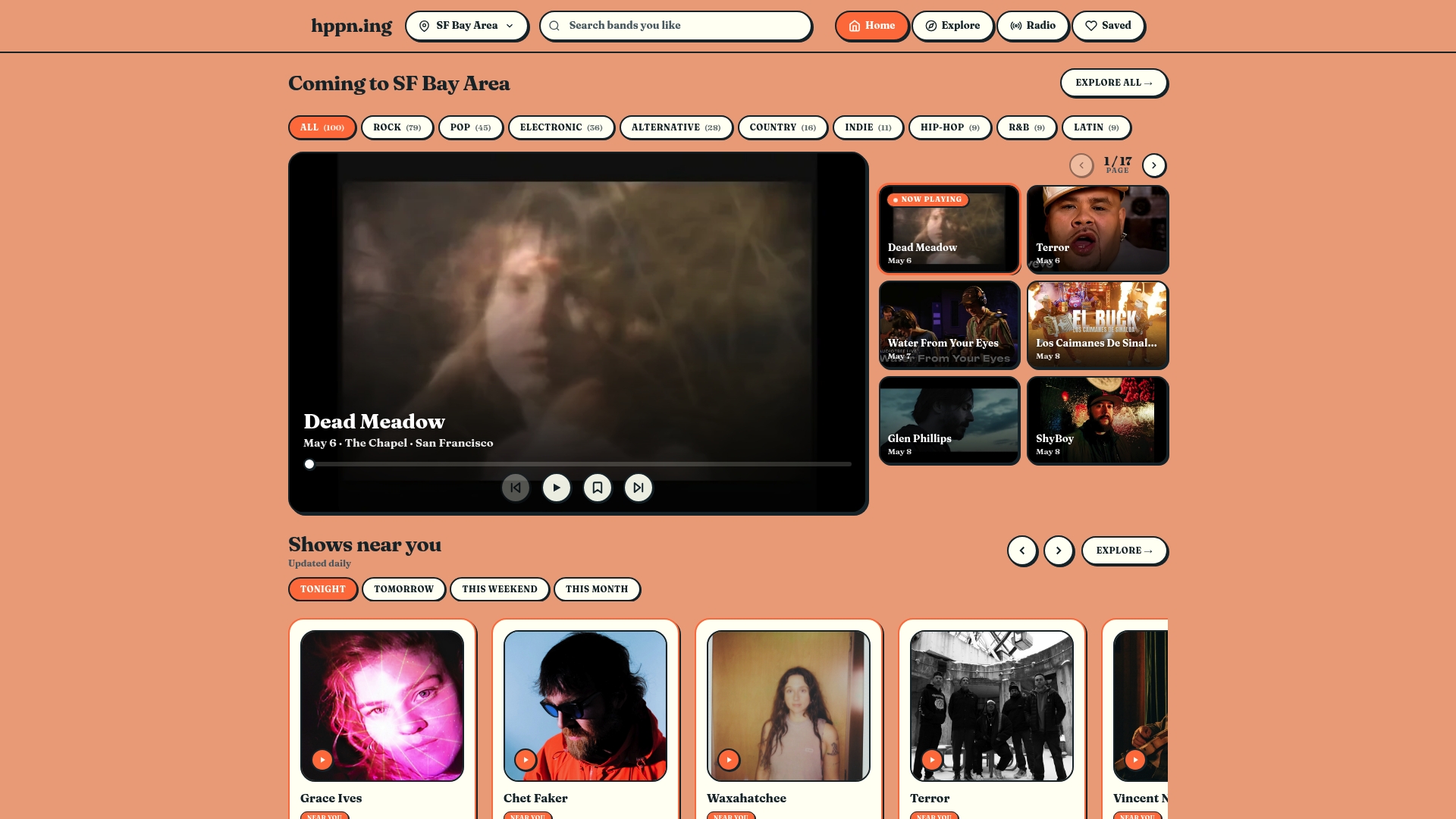
Hppn brings concert discovery, artist previews, and local music community features into one place. You can browse shows by location, preview artists through video and audio before you commit to attending, and follow trending local performers who are actually playing near you. The platform surfaces emerging and underground artists alongside their upcoming shows, so you discover the music and the event at the same time. For fans who want to go deeper, community notes let you engage with other local music lovers around specific shows and festivals. Start exploring what is happening in your city tonight.
FAQ
What is a community-first music festival?
A community-first music festival is a public event designed for active participation rather than passive attendance. Formats like Make Music Day and Circle Singing welcome all skill levels and typically offer free entry.
How do i find free local music events near me?
Check community radio station websites, your city's arts council events calendar, and Facebook Events using search terms like "open mic" or "jam session." Hppn also surfaces free and low-cost local shows by location.
What should i bring to a local jam session?
Bring your instrument, cables, and a tuner. Check whether the event provides backline gear before packing amplifiers or drums. Events that list their backline in advance are the most organized and newcomer-friendly.
How often should i attend community music events to build connections?
Attend the same event at least three times before expecting to feel part of the community. Repeatable participation through monthly jams or annual festivals builds stronger relationships than attending many different one-off events.
Are community music festivals suitable for beginners?
Yes. Events like Make Music Day are free for all ages and skill levels, and Circle Singing sessions require no prior musical experience. Look for events that explicitly list walk-up acceptance as a sign of genuine inclusivity.