
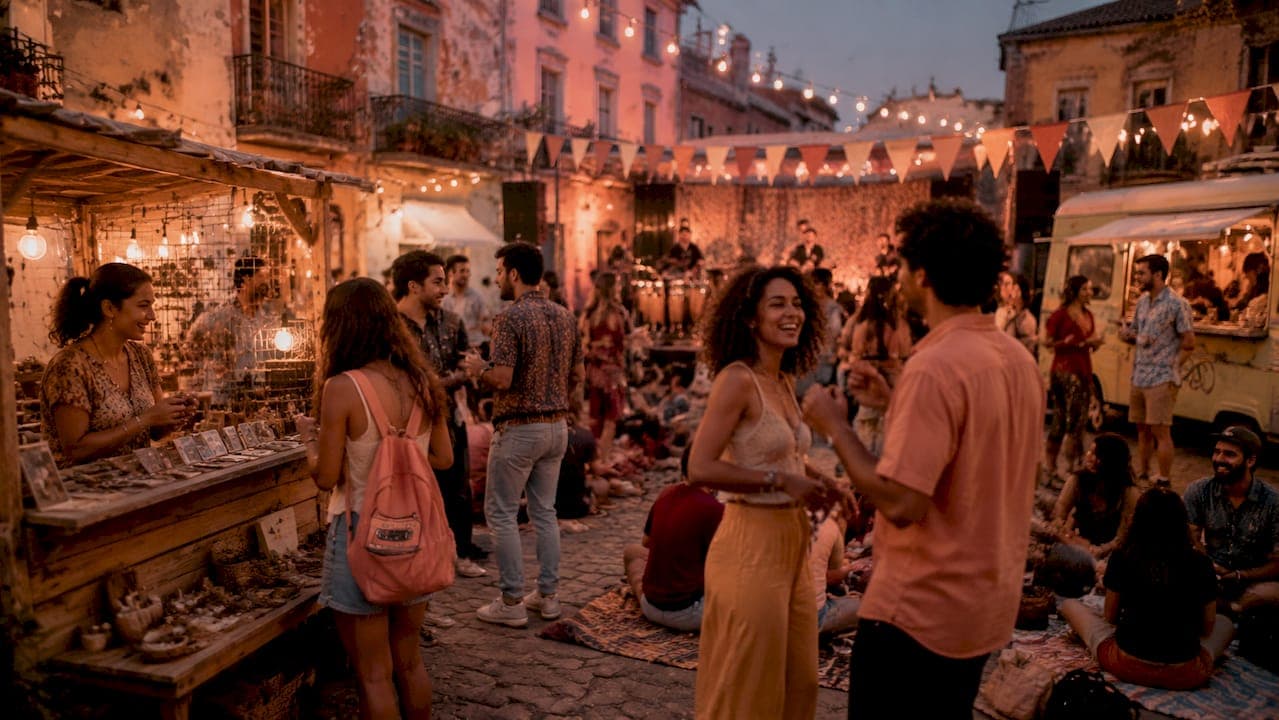
Local cultural music festivals are community-rooted events that celebrate traditional music, regional heritage, and collective identity through live performance and shared experience. Unlike stadium tours or commercial mega-festivals, these gatherings put local artists, folk traditions, and neighborhood participation at the center. The best examples of local cultural music festivals, from the Kaogma Festival in the Philippines to the Galax Old Fiddlers Convention in Virginia, prove that the most memorable music experiences are built by communities, not corporations. This guide covers eight standout festivals, what makes each one worth attending, and how to find similar events near you.
1. Examples of local cultural music festivals that define the genre
Before diving into individual events, it helps to understand what separates a genuine cultural festival from a branded music weekend. The defining markers are community authorship, traditional or regionally specific music, and active participation from local residents, not just passive attendance. Festivals that meet this standard tend to generate deeper loyalty, longer histories, and richer on-the-ground experiences than their commercial counterparts.
The eight festivals below span four continents, multiple musical traditions, and a range of budget levels. Each one illustrates a different model of how communities use music to preserve identity and welcome outsiders into something real.
2. Kaogma Festival, Philippines
The Kaogma Festival in Camarines Sur is one of the most striking examples of how a regional celebration can scale without losing its roots. In 2026, the festival drew over 153,000 attendees for a headline performance by P-pop group BINI, with a livestream peak exceeding 1.1 million views. That reach is extraordinary for a provincial festival. It signals that local cultural identity, when presented with confidence, competes directly with mainstream entertainment.
The week-long program blends P-pop performances with traditional Bicolano music, street dancing, and community exhibitions. The festival functions as a civic celebration as much as a music event, with local government, schools, and neighborhood groups all contributing. Attending Kaogma means experiencing Filipino regional pride in one of its most concentrated forms.
3. Galax Old Fiddlers Convention, Virginia
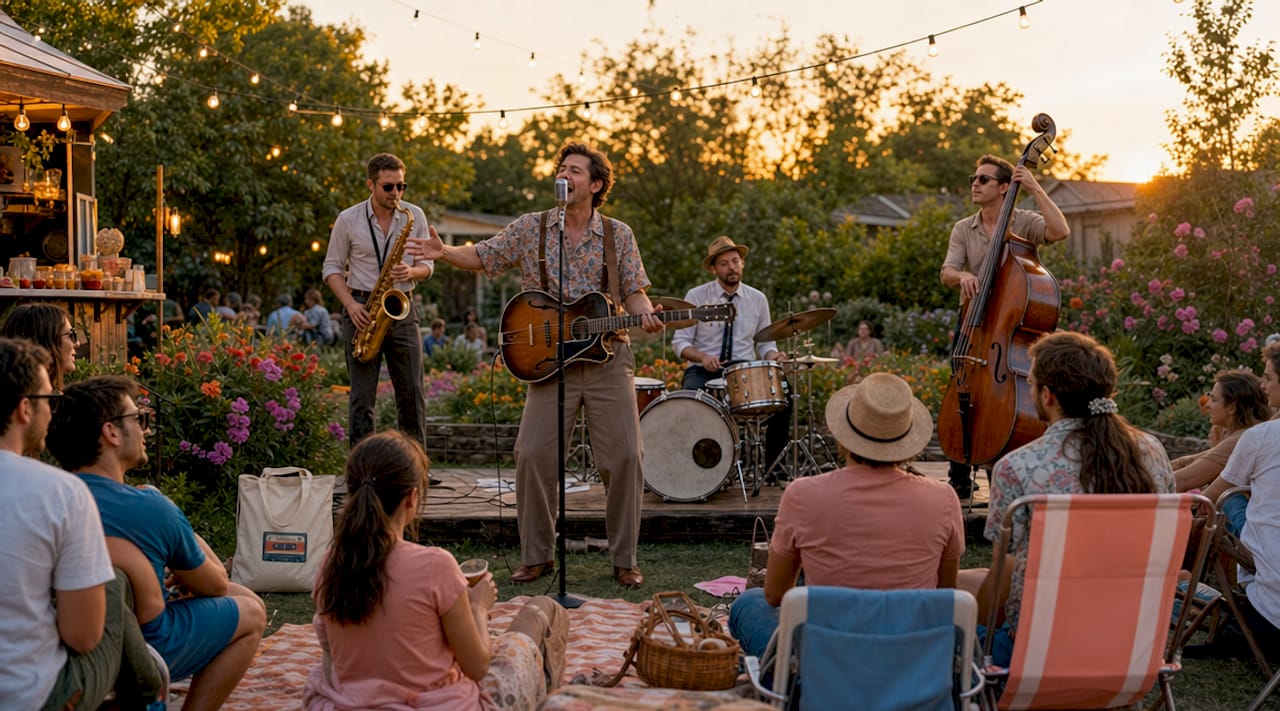
The Galax Old Fiddlers Convention in Galax, Virginia, is a 90-year-old tradition that transforms the town into a pop-up living community each August. Hundreds of families camp on the festival grounds for the entire week, cooking, jamming, and competing in Appalachian folk music categories that include old-time fiddle, banjo, dulcimer, and bluegrass band. The competition format is central to the experience. Musicians of all ages enter, and the judging is taken seriously.
What makes Galax exceptional is the informal music that happens between official events. Campfire sessions run past midnight, and strangers regularly sit down together to play. This is living heritage, not a museum exhibit. The festival costs very little to attend and draws serious musicians from across the country who come specifically to learn from each other.
Pro Tip: Arrive a day early at Galax and walk the campgrounds before the official program starts. The informal jam sessions on opening night are often more musically rich than anything on the main stage.
4. Shetland Folk Festival, Scotland
The Shetland Folk Festival is distinguished by something most festivals cannot manufacture: genuine local hospitality. Residents of the Shetland Islands actively host visiting artists in their homes, feed them, and integrate them into community life for the festival weekend. This model turns the event into a cultural exchange rather than a transaction. Visiting musicians often describe it as the warmest festival experience of their careers.
The musical program centers on Celtic and Nordic folk traditions, reflecting Shetland's geographic position between Scotland and Scandinavia. Fringe events, including school performances, pub sessions, and intimate workshops, are often included with base tickets or offered free. These fringe sessions are where the real cultural depth lives. A workshop on Shetland fiddle technique with a local master musician is an experience no headline set can replicate.
5. Ithaca DIY Fest, New York
Ithaca DIY Fest proves that a music festival does not require corporate sponsorship or a major venue to deliver a genuine cultural experience. The 2026 edition featured 80 bands across four stages, organized entirely by local collectives and volunteers using existing community spaces. The DIY model keeps ticket prices low and keeps the programming decisions in the hands of people who actually live in the scene. That distinction matters enormously for the quality and authenticity of the lineup.
The genres at Ithaca DIY Fest span punk, experimental, hip-hop, and indie, reflecting the actual diversity of the local music community rather than a curated brand identity. The success of grassroots festivals like this one depends on volunteerism and community ownership, which is exactly why they feel different from commercial events. You are not a customer at Ithaca DIY Fest. You are a participant.
6. HomeGrown Live Music Festival, Kingston
The HomeGrown Live Music Festival in Kingston, Ontario, is a model for how a local music event can generate lasting community benefit. In 2026, the festival featured over 140 local acts across 17 stages and has raised over $150,000 for a local instrument library since its founding. That fundraising mission gives the festival a purpose beyond entertainment. Every ticket sold contributes directly to music education access for young people in the city.
The multi-stage format spreads performances across downtown Kingston, turning the entire neighborhood into a festival venue. This decentralized approach encourages attendees to explore the city rather than plant themselves in front of one stage. It also gives smaller and emerging artists real exposure on streets where foot traffic is high. For fans looking for affordable local concerts, HomeGrown is a strong model of what community-funded music looks like in practice.
7. North Park Music Fest, San Diego
North Park Music Fest in San Diego demonstrates how tiered pricing can make a local cultural festival genuinely accessible. In 2026, ticket prices ranged from $25 to $75, with free community stages open to the public throughout the weekend. The free stages are not a lesser version of the festival. They feature legitimate local acts and draw significant crowds from the surrounding neighborhood.
The festival reflects the cultural character of North Park, a neighborhood known for its independent music scene, art galleries, and food culture. Programming integrates visual art installations and local vendor markets alongside music, making it a full cultural experience rather than a pure concert event. For first-time festival attendees or those on a tight budget, the free community stages offer a genuine entry point into the local music scene without any financial barrier.
Pro Tip: Check the free stage schedule at North Park Music Fest before buying a ticket. Many of the most talked-about sets happen on the community stages, and you can build a full day around them at no cost.
8. Lok Utsav, India
Lok Utsav is a folk music festival rooted in the principle that cultural traditions survive through active transmission, not passive preservation. Festival organizers emphasize mentoring younger generations over pure performance, creating a structure where long-term participants teach and guide newer musicians throughout the event. This generational model produces a festival atmosphere that feels like a living school as much as a concert series.
The programming draws on folk traditions from across India, with performances that connect music to broader themes of democracy, dignity, and community dialogue. Lok Utsav is one of the clearest examples of how a traditional music event can carry political and social meaning without becoming didactic. The music speaks for itself, and the mentorship structure ensures it will continue to do so for future generations.
9. Roots Picnic, Philadelphia
Roots Picnic in Philadelphia sits at the intersection of local pride and national cultural significance. Founded by The Roots, the festival centers Black American music traditions including hip-hop, R&B, soul, and jazz, while integrating visual art, food, and community programming. The Philadelphia location is not incidental. The festival draws directly on the city's deep music history and its role in shaping American popular music.
What distinguishes Roots Picnic from a standard music festival is the intentionality of its cultural framing. Every element of the program connects to a broader story about Black artistic expression and community. Local Philadelphia artists appear alongside national headliners, and the community programming gives the event genuine civic weight. Understanding how music events are organized locally helps explain why Roots Picnic has maintained its cultural credibility while growing significantly in scale.
Key takeaways
The most authentic local cultural music festivals share three qualities: community authorship, active participation from residents, and programming rooted in regional musical tradition rather than commercial trend.
| Point | Details |
|---|---|
| Community ownership defines quality | Festivals organized by locals, like Ithaca DIY Fest, consistently deliver more authentic experiences than corporate-produced events. |
| Free access expands cultural reach | Events like North Park Music Fest use free community stages to remove financial barriers without reducing program quality. |
| Mentorship sustains traditions | Lok Utsav's generational model proves that festivals can actively transmit cultural knowledge, not just celebrate it. |
| Hospitality transforms the experience | Shetland Folk Festival's resident-hosting model turns attendance into genuine cultural exchange rather than passive consumption. |
| Scale does not equal commercialization | Kaogma Festival drew over 153,000 attendees while remaining rooted in regional identity and community celebration. |
Why local festivals changed how I think about live music
I spent years chasing headliners at large commercial festivals before I attended my first genuine community music event. The shift in experience was immediate and difficult to articulate at first. At a local cultural festival, you are not separated from the music by production design. You are inside it.
The Shetland Folk Festival model, where residents host artists in their homes, is the clearest example of what I mean. That level of integration between community and event is not something you can engineer with a bigger budget. It grows from years of trust and shared investment in a place. The same is true at Galax, where the campfire jams are as musically serious as anything on the main stage.
My honest advice is to skip the fringe events at your own loss. Workshops, informal sessions, and pop-up performances are where the real cultural transmission happens. A 45-minute fiddle workshop with a local master teaches you more about a musical tradition than three hours of stage performances. These moments are also where you meet the people who actually sustain these traditions year after year.
Local festivals also tend to be far more financially accessible than their commercial counterparts. Many offer free entry or sliding-scale pricing, and the ones that charge still tend to direct revenue back into community programs. Attending is a form of direct support for local arts infrastructure, which matters in an era when community boards support live music in ways that are increasingly underfunded.
The broader point is this: local cultural music festivals are not a lesser version of mainstream events. They are a different category entirely, one built on participation, heritage, and genuine human connection.
— Ari
Find your next local music experience with Hppn
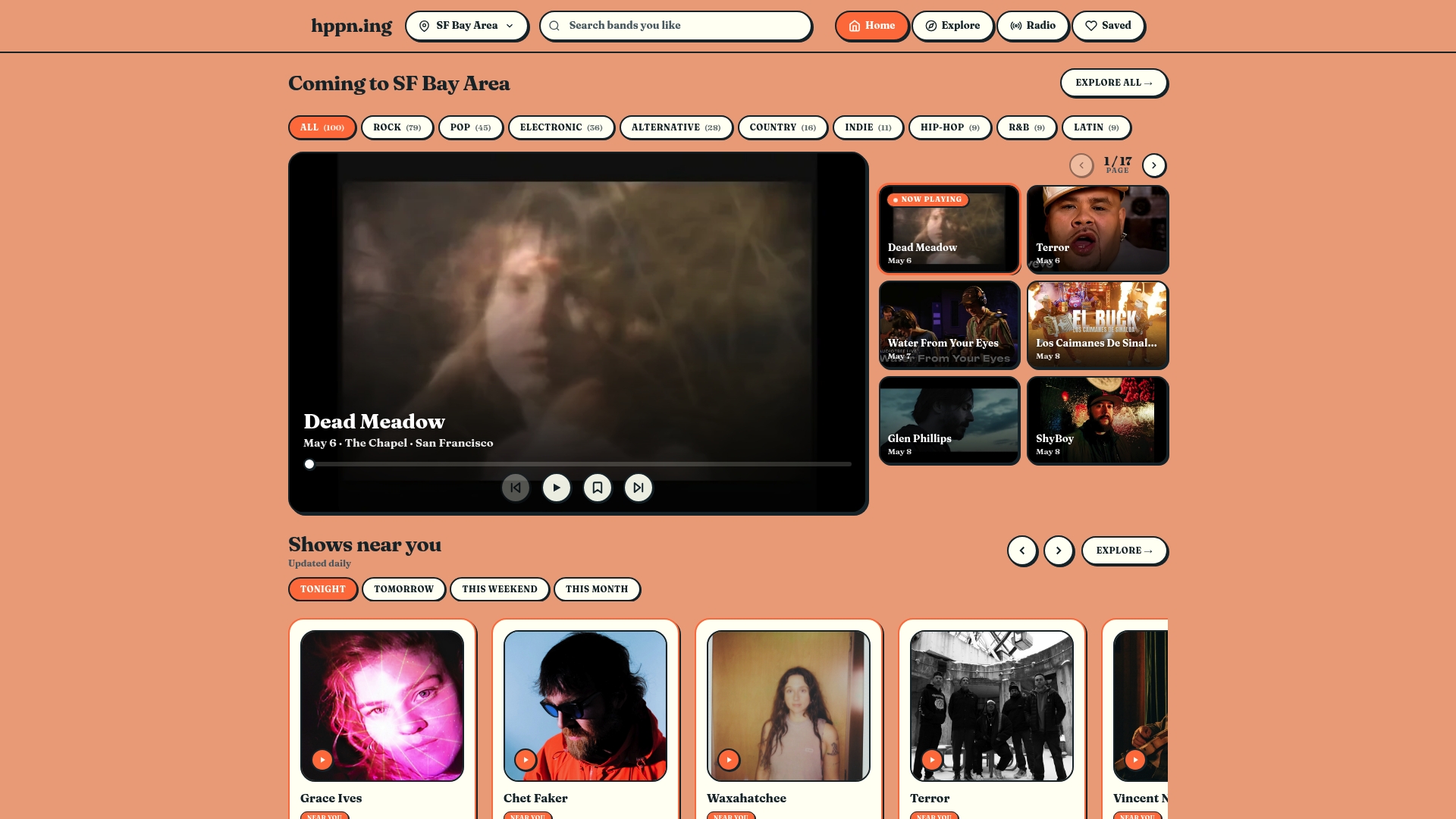
Hppn is built specifically for music fans who want to go deeper than the mainstream. The platform lets you discover live music nearby by browsing events by location, previewing artists through video and audio before you commit to a ticket, and tracking emerging local performers who are building real scenes in your city. Whether you are looking for a community folk session, a DIY punk showcase, or a cultural celebration rooted in regional tradition, Hppn surfaces the events that most platforms miss. The focus is on smaller and emerging artists, which means you find the kind of music that defines a place rather than just passing through it.
FAQ
What qualifies as a local cultural music festival?
A local cultural music festival is a community-organized event that centers regional musical traditions, local artists, and cultural heritage. The defining feature is community authorship: residents shape the programming, participate actively, and often host visiting artists.
Are local cultural music festivals expensive to attend?
Many are free or low-cost. North Park Music Fest offers free community stages alongside paid tiers ranging from $25 to $75, and events like Ithaca DIY Fest keep prices minimal through volunteer organization and community venue use.
How do I find local cultural music festivals near me?
Platforms like Hppn let you browse events by location and preview artists before attending. Local arts boards, community calendars, and neighborhood social media groups are also reliable sources for discovering traditional music events and community cultural events in your area.
What makes a local festival more authentic than a commercial one?
Authentic festivals are distinguished by community ownership, resident hospitality, and programming rooted in local tradition rather than commercial trend. The Shetland Folk Festival and Galax Old Fiddlers Convention are strong examples of this standard.
Can I participate in local cultural festivals as a musician?
Most community-driven festivals actively welcome local musicians. DIY festivals like Ithaca DIY Fest are organized by collectives and accept submissions from local acts, while folk festivals often include open jam sessions and workshops where musicians of all levels can participate.