
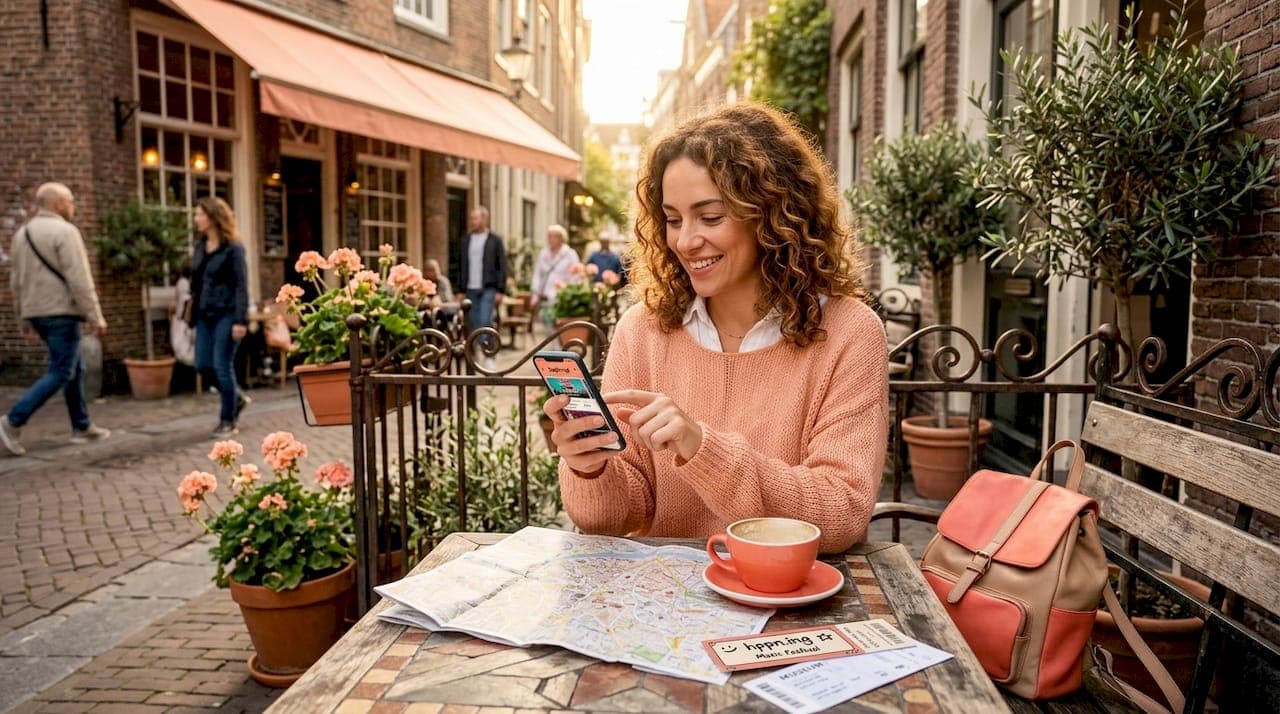
Most concert fans search for shows by typing in an artist name, which means they keep seeing the same big names play the same big venues. That approach quietly filters out hundreds of smaller, more interesting shows happening just a few miles away. Browsing concerts by location flips that search logic entirely: instead of chasing artists, you let your city surface everything happening around you. This guide breaks down what location-based concert browsing actually is, how platforms power it, and how you can use it to discover local artists and unforgettable live experiences you'd never find any other way.
Table of Contents
- What does browsing concerts by location mean?
- How concert platforms use location data
- Why location browsing uncovers hidden gems
- Tips for making the most of location-based concert discovery
- A local fan's perspective: What most guides miss
- Discover concerts near you with hppn.ing
- Frequently asked questions
Key Takeaways
| Point | Details |
|---|---|
| Location is discovery power | Browsing concerts by location helps uncover shows you’d otherwise miss in your city. |
| Personalized recommendations | Platforms use GPS and your listening data to suggest relevant local concerts. |
| Hidden local gems | Focusing on your area surfaces small venues and emerging artists outside the mainstream. |
| Complement tech with word-of-mouth | True concert pros use apps, social feeds, and venue calendars together for maximum coverage. |
What does browsing concerts by location mean?
Now that we've set the stage for why discovering concerts is often misunderstood, let's explain what it actually means to browse concerts by location.
At its core, location-based concert browsing means setting a city, zip code, or GPS position as your starting filter instead of an artist or genre. Everything the platform returns is tied to what's actually happening in that physical area. You're searching the map first, not the artist database.
This approach feels simple, but it changes the entire mix of results you see. When you find concerts near you using location as the primary filter, the platform returns shows from every venue in range, from 20,000-seat arenas down to a 75-person listening room above a coffee shop. Artist searches skip that coffee shop entirely because the artist playing there isn't famous enough to appear in auto-suggest results.
Here's what location-based browsing actually pulls together:
- Every confirmed show scheduled at venues in your target area
- Events from promoters, independent bookers, and DIY organizers
- Pop-up performances and limited-run residencies at nontraditional spaces
- Touring artists passing through, as well as local-only performers
- Venue-specific events that never get wider promotion
Platforms that do this well aggregate data from many sources at once. Data from ticketing partners like Ticketmaster, independent promoters, and venue calendars feeds into these systems, and platforms like JamBase pull from 60+ sources to make sure the local picture is accurate. No single ticket seller has complete coverage, which is exactly why multi-source aggregation matters so much for local discovery.
"Searching by location means the city becomes your playlist, and you're just scrolling through what it's scheduled to perform."
The contrast with artist-based searching is sharp. If you already know you want to see a specific band, artist search works fine. But if you want to be surprised, to catch someone new, or to support your local scene, location browsing is the method that actually serves you. You can even plan ahead by checking live music events in other cities before you travel, turning any trip into a potential music adventure.
How concert platforms use location data
With a clear definition in place, let's dive into how platforms transform your location into personalized concert recommendations.
The mechanics behind location-based concert browsing are more layered than most fans realize. At the basic level, a platform asks for your city and then queries its event database for anything scheduled within a set radius. But modern platforms go considerably further than that.
Here's how the process typically unfolds step by step:
- Grant location access or enter your city manually. GPS-enabled apps detect your position automatically. Others ask you to type a city name, which is useful when you're planning a trip somewhere new.
- The app queries its event database. It matches your location against venue coordinates, pulling every scheduled show within range.
- Personalization layer kicks in. Some platforms cross-reference your listening history to rank results, so an artist you've been streaming heavily appears higher in your local feed.
- You browse a location-filtered lineup. What you see reflects your area's actual schedule, not a national popularity chart.
- Set alerts for new announcements. Most platforms let you follow specific venues or genres and push a notification when something new gets added near you.
Pairing this method with local concert calendars fills in any gaps the big apps leave behind, since smaller venues sometimes update their own calendars faster than aggregators can collect the data.
Location logic on apps like Songkick can have some edge cases worth knowing. There's no radius filter on certain apps, so you get the whole metro area rather than a tight neighborhood view. Small towns are hit or miss depending on whether local venues bother to list on aggregator platforms. Travelers can add multiple cities to track shows across an upcoming road trip. These limitations don't make location browsing less valuable; they just mean you occasionally need to supplement with a manual check.
"The app knows your city. The best fans also know their neighborhood record store's Instagram account."
Pro Tip: Use the platform's location feature to get the big picture, then preview music by location on hppn.ing to dig into the actual sounds of artists before committing to a ticket. Hearing 60 seconds of the right song at the right moment has sent plenty of fans to shows they'd otherwise have skipped.
Why location browsing uncovers hidden gems
Understanding the technology is useful, but what makes location-based browsing especially powerful for music fans?
The honest answer is that the most memorable live shows rarely come from the biggest names. They come from stumbling into a packed basement venue to hear a band you'd never heard of and leaving two hours later completely changed. Location browsing makes that kind of discovery systematic rather than accidental.
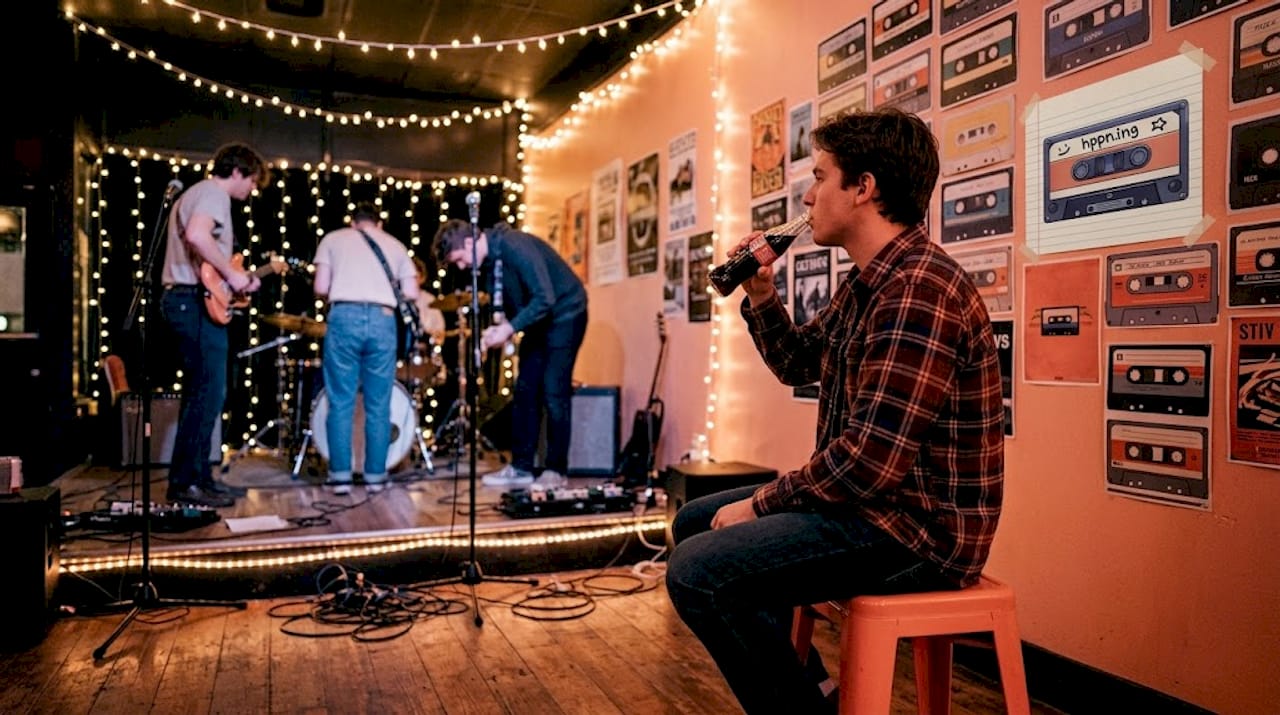
Small venues and local artists are the clearest example. Apple Music's concert discovery features that personalize by listening history surface artists you'd actually enjoy, even at small venues. A state like Alabama alone has more than 42 active venues hosting live music, most of which never appear in national press. Location-based searches surface all of them at once.
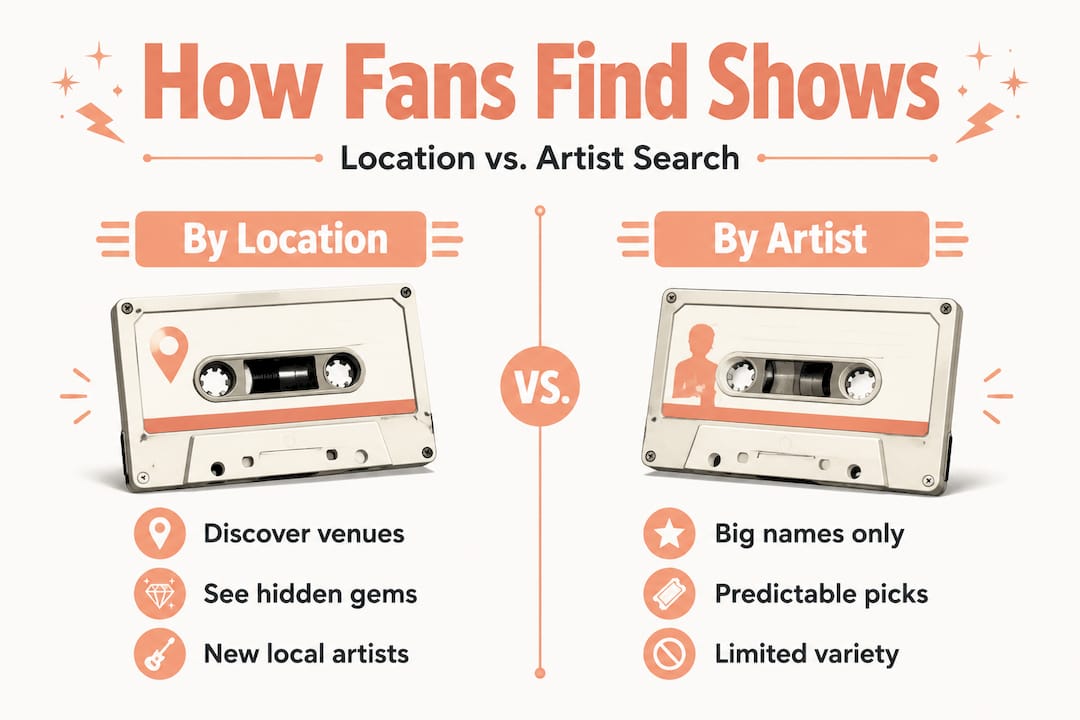
Here's a direct comparison of what each search method typically returns:
| Feature | Artist-based search | Location-based search |
|---|---|---|
| Primary filter | Known artist name | City or zip code |
| Venue size | Usually medium to large | All sizes including tiny |
| Artist familiarity | Already known to user | Mix of known and unknown |
| Discovery potential | Low | High |
| Local scene visibility | Minimal | Strong |
| Best for | Fans of specific acts | Fans wanting new experiences |
The table makes the tradeoff obvious. Artist-based search is reliable but narrow. Location-based search is messier but far more interesting.
Exploring trending performers near you regularly reveals artists who are building local momentum before they break wider. These are the performers you'll want to say you saw first. Checking local live music charts adds another angle because it shows you who's actually drawing crowds in your area right now, which is a real signal of quality.
The hidden gem factor also connects to venue discovery. When you browse by location, you encounter spaces you didn't know existed: gallery spaces that host jazz on Thursdays, rooftop venues that only operate in summer, converted warehouses that book experimental acts. These places don't advertise aggressively, but they show up in location-based results if the data is there.
Pro Tip: After finding an interesting show through location browsing, visit the venue's own website or social pages and look at the full upcoming calendar. Venues with one good booking almost always have more. If you want to understand the bigger picture of what drives these scenes, learning how to bring live music to your area gives you a whole new appreciation for the work behind it.
Key advantages of location-based discovery include:
- Exposure to artists on the rise before they get expensive
- Access to intimate show formats that large venues can't replicate
- Natural connection to the local music community
- Variety across genres that a single artist search never delivers
- Spontaneous discovery of shows happening tonight, not months away
Tips for making the most of location-based concert discovery
With the hidden benefits laid out, let's make location browsing a practical part of your concert-finding routine.
Knowing that location-based browsing works is one thing. Building a personal system around it so you never miss a good show is another. These strategies come directly from how dedicated local music fans actually operate.
- Use multiple platforms, not just one. No single app has complete coverage. Run the same location search on two or three services and compare results. You'll almost always find events on one that don't appear on the others.
- Update your location before a trip. Set your destination city a week or two before you travel. Alerts and notifications will start showing you what's available, giving you time to grab tickets for anything that sells out fast.
- Look past the first page. Most platforms sort by popularity or date, which pushes well-known acts to the top. Scroll past those results and you'll find the smaller shows that don't have marketing budgets behind them.
- Follow venue accounts directly. Even the best aggregators sometimes miss last-minute additions. Following your 10 favorite local venues on social media catches those announcements before they propagate to apps.
- Join local music communities. Local music communities share show announcements, honest reviews, and tips about venues that don't show up anywhere else. Forums and local Facebook groups have been surfacing underground shows for years.
Fans on platforms like Reddit have consistently noted that location-based discovery works best when you layer it with social media and direct venue communication. No single source catches everything, especially for the most underground shows.
Common pitfalls worth avoiding:
- Filtering only for national acts. If you only engage with headliners in the location feed, you're defeating the purpose.
- Ignoring nontraditional venues. Coffee shops, art galleries, parks, and breweries host some of the best live music in any city.
- Waiting too long to buy. Small venue shows often sell out with no warning and little online fanfare. If something looks good, move fast.
- Skipping the artist preview step. Clicking through to hear a sample before attending saves both time and money, and it builds honest excitement rather than gamble-based attendance.
For fans who travel frequently, resources covering other city live music tips are worth bookmarking alongside your usual apps. Every city has its own rhythms and hidden spots, and local resources written by people who actually live there are often more accurate than app results.
Pro Tip: Set a standing reminder once a week to open your location-based concert app and browse with no particular artist in mind. This "browsing mode" habit, rather than reactive searching, is how longtime local fans stay connected to their scene without missing anything.
A local fan's perspective: What most guides miss
Most guides about finding concerts explain the tools and stop there. But there's a gap between knowing a tool exists and actually using it like someone who's been doing this for years.
The first thing dedicated local fans will tell you is this: the most exciting shows in any city are often invisible to every app. They're announced two days out, on a venue's Instagram story, or by word of mouth at the last show. Location-based platforms catch a lot, but they almost never catch everything. Building real relationships with a venue's front-of-house staff, a local promoter, or even a few regulars at your favorite small club gives you access to shows that never make it to any database.
There's also a timing truth that apps don't surface clearly. Thursday nights and Sunday afternoons are often when the most interesting acts play. Those slots get the experimental bookings, the touring bands doing a small warm-up date, the local legends doing rare one-offs. National acts dominate Friday and Saturday. If you're only browsing those peak nights, you're not seeing the full calendar.
Small-town and rural fans face a genuinely different challenge. Location-based tools work beautifully in dense metro areas where venues actively list events. In smaller markets, you might open an app and see three results for the entire month. That's not a sign nothing is happening; it's a sign the local venues aren't consistently updating aggregator platforms. For those fans, community notes on local music become especially valuable, since they capture crowd-sourced knowledge that no algorithm can replicate.
Here's the take most guides won't give you: the best local music experience you'll ever have is probably not on any app right now. It's at a venue that doesn't have a Ticketmaster partnership, announced by a promoter who operates entirely through personal contacts. Location-based browsing gets you 80% of the way there. The last 20% comes from showing up, staying curious, and asking the person next to you at a show what else they've seen lately.
Discover concerts near you with hppn.ing
Ready to turn tips into action? Here's a platform designed for exactly what you need.
If location-based concert discovery sounds like how you want to find live music, hppn.ing is built specifically for that experience. It's not another mainstream event site that surfaces the same headliners you've already seen everywhere.
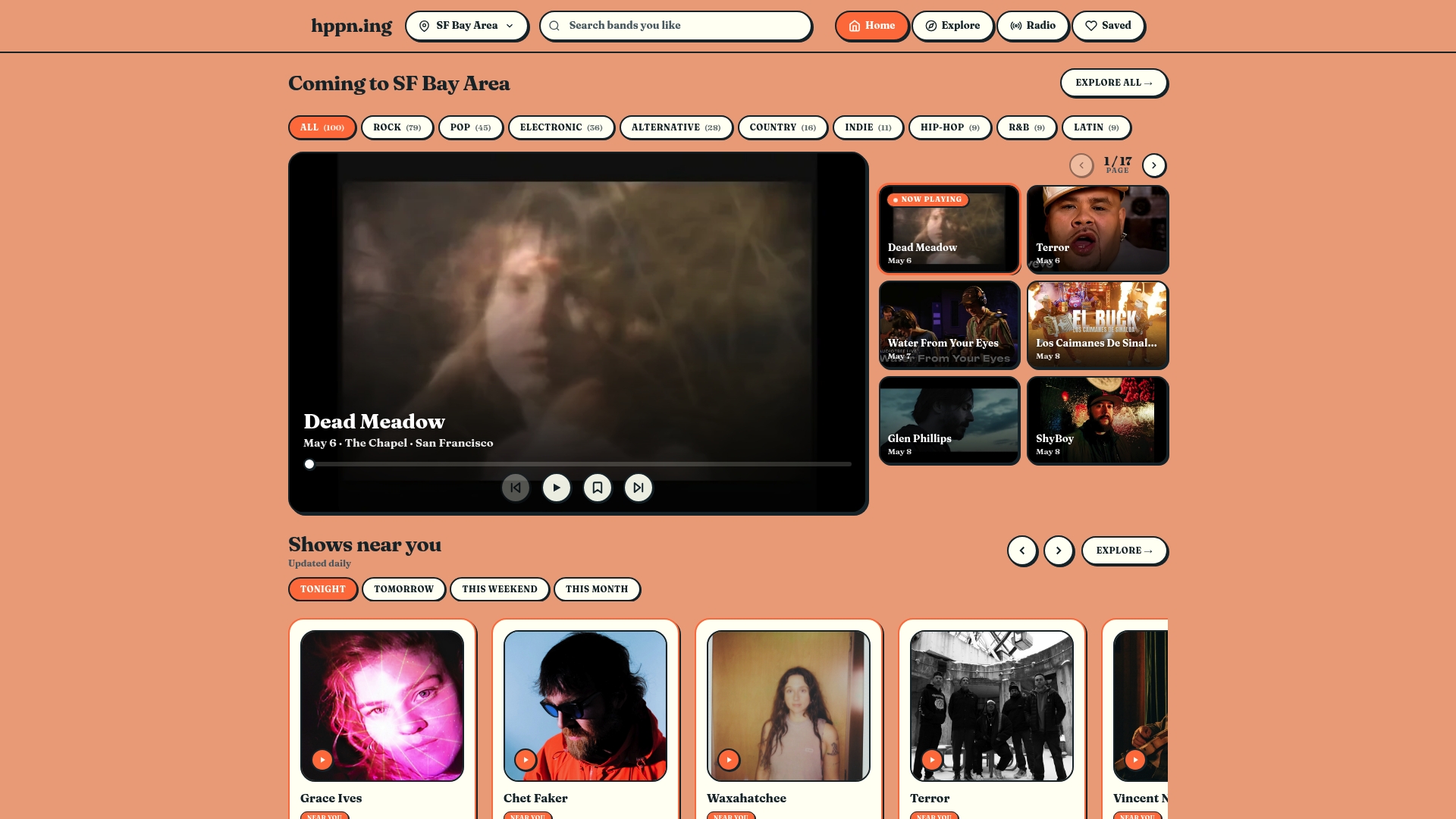
On hppn.ing, you can find concerts near you using location as your starting point, preview artists through video and audio before you commit, and check out trending live music to see who's actually generating buzz in your area right now. The platform focuses on emerging and underground artists alongside established local acts, so your local scene gets real visibility. You can also discuss upcoming shows with other fans in real time, which makes it easier to catch announcements before they sell out. It's the kind of tool that rewards curiosity and keeps local music fans genuinely connected to what's happening around them.
Frequently asked questions
How does location browsing find concerts I'd otherwise miss?
It surfaces shows from local venues and smaller artists that aren't promoted widely, and platforms like Apple Music and Bandsintown personalize those results based on your listening history to match your actual taste.
Can I browse concerts in multiple cities at once?
Yes, many platforms let you manually add or switch between cities, which is ideal for travelers or for anyone planning ahead for shows in other markets.
Are all local events included in these platforms?
Most major shows and many small-venue concerts are included, but some ultra-local or underground events only get announced through venue sites, social media, or direct word-of-mouth.
Do these apps use my listening history?
Some apps, including Apple Music and Bandsintown, personalize suggestions based on what you've been streaming, which helps match location results to your actual taste rather than just proximity.