
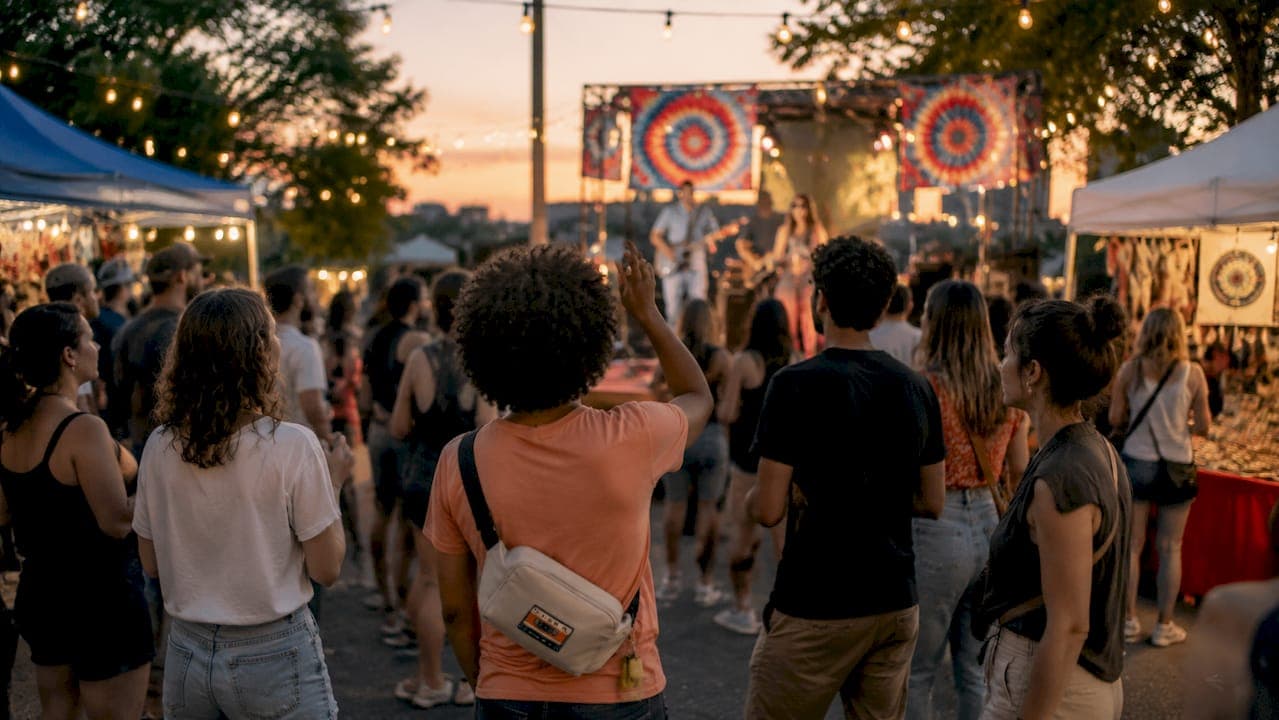
Local music scene exposure is defined as regular, direct engagement with live performances, emerging artists, and community music events in your city or neighborhood. The benefits of local music scene exposure reach far beyond entertainment. Attending local concerts, following neighborhood musicians, and supporting independent venues creates social bonds, preserves cultural identity, and generates real economic activity. Community radio alone drives $153 million into the Australian music sector annually, with 1.6 million listeners discovering local artists every week. That scale shows what happens when communities stay connected to the music being made around them.
1. Benefits of local music scene exposure for community connection
Live concerts are communal rituals. They pull strangers into the same room, give them a shared experience, and send them home with something to talk about. Live gigs build social cohesion in ways that passive media consumption simply cannot replicate. A playlist plays in the background. A local show demands your presence.
Small venues amplify this effect. When a crowd of 80 people watches a band in a converted warehouse or a neighborhood bar, the energy is personal. You can see the guitarist's face. You can feel the bass in your chest. That physical closeness creates a sense of belonging that scales down to something human and real.
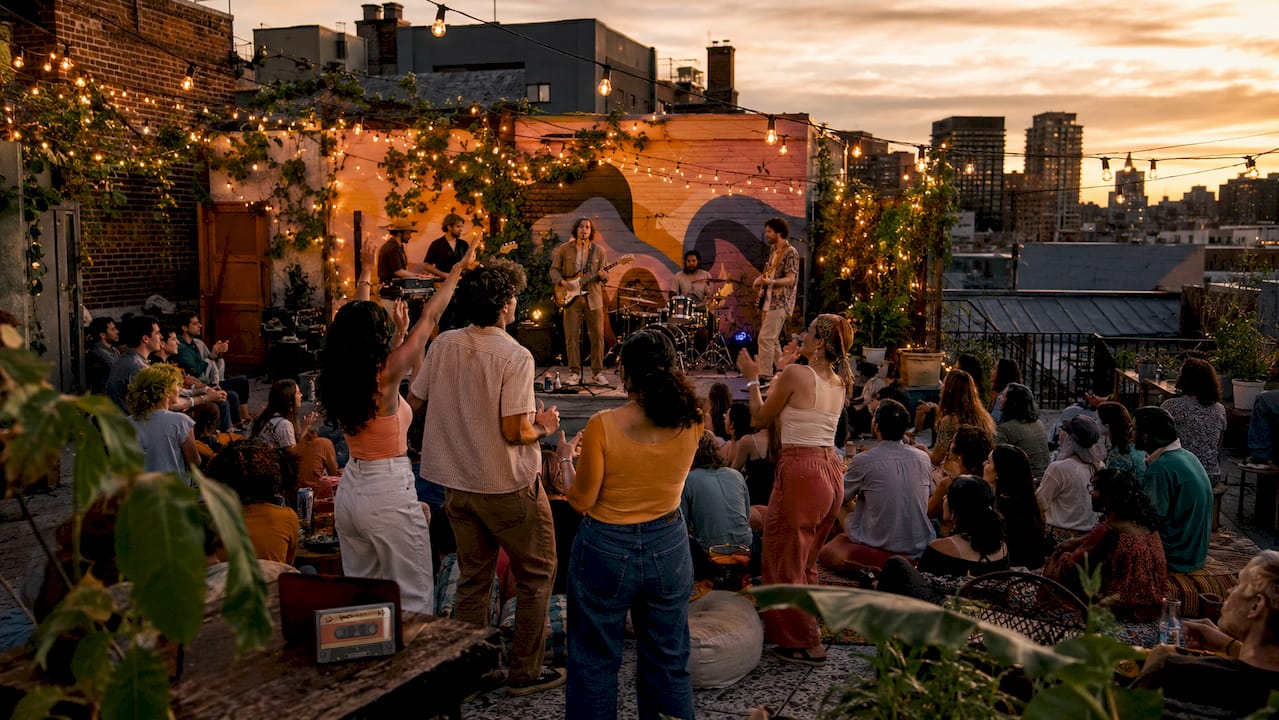
Community radio extends local music exposure beyond the venue. About 19% of community radio listeners recommend or share local music they discover on air. That peer-to-peer sharing builds informal networks of fans who keep each other informed about who is playing where and when.
Diverse groups benefit from this kind of community engagement through music. Older residents, recent immigrants, and young people who cannot afford major festival tickets all find access points in local scenes. A $10 cover charge at a neighborhood venue is a very different barrier than a $200 festival pass.
Pro Tip: Follow local music offices and community event calendars in your city. These resources surface shows weeks before they appear on mainstream ticketing platforms, giving you first access to emerging artists.
2. Cultural benefits of following local musicians
Local music scenes are cultural identity hubs. The music made in a specific city reflects that city's history, tensions, humor, and values. Physical proximity and venue history shape creative output in ways that no algorithm can manufacture. A band writing songs in Detroit sounds different from one writing songs in New Orleans, and that difference is the point.
Supporting local artists is an act of cultural preservation. When a neighborhood loses its last music venue, it loses more than a room. It loses a space where local stories get told through sound. Streaming platforms surface global hits. Local scenes surface the music that reflects your community back at you.
The cultural advantages of local concerts include exposure to artistic forms that never reach mainstream platforms. Genres like cumbia, zydeco, or regional folk styles survive because local audiences show up for them. Following local musicians means you encounter this range firsthand, not filtered through an algorithm trained on mass popularity.
Here are four ways local music scenes deliver cultural value that streaming cannot:
- Authentic storytelling. Local artists write about places, people, and events their audience recognizes. That specificity creates emotional resonance that generic pop rarely achieves.
- Preservation of regional styles. Blues in Chicago, go-go in Washington D.C., and conjunto in San Antonio all depend on local audiences to stay alive. Attendance keeps these traditions funded and visible.
- Cross-cultural exchange. Local scenes in diverse cities mix genres and communities in real time. A single bill might feature a jazz trio, a Latin rock band, and a hip-hop duo, all drawing from the same neighborhood.
- Artist development in public. Watching a musician grow from open mic nights to headlining a 300-person room is a cultural experience in itself. You witness the creative process, not just the finished product.
3. Economic advantages of engaging with the local music scene
Local music generates direct economic activity at every level. Ticket sales fund venues. Merchandise purchases fund artists. Bar tabs fund staff. Every dollar spent at a local show circulates through a network of small businesses and independent workers. Live gigs employ sound engineers, venue staff, and promoters, creating jobs that cannot be outsourced or automated.
Large local arts and music markets demonstrate this impact clearly. Events drawing 23,000 attendees generate $200,000 in direct art sales in a single weekend. That figure represents income for dozens of independent artists and vendors, not a corporation. Accessibility pricing, with 50% of vendor items priced at $100 or less, ensures that economic participation is not limited to high earners.
The table below breaks down where your spending goes when you engage with the local music scene.
| Where you spend | Who benefits directly |
|---|---|
| Ticket purchases | Venue operators, booking agents, artists |
| Merchandise at shows | Artists and their production costs |
| Food and drinks at venues | Bar staff, kitchen workers, local suppliers |
| Community radio donations | Local broadcasters, music programmers |
| Local arts market purchases | Independent artists, market organizers |
Sustained attendance also protects venue viability. Venues that cannot fill seats close. When they close, artists lose performance spaces, and neighborhoods lose economic anchors. Your regular presence at local shows is not just a personal choice. It is a vote for keeping that infrastructure alive. The economic impact of community music extends well beyond the night of the show itself.
4. Effective ways to support local artists beyond streaming
Streaming pays fractions of a cent per play. It is useful for discovery, but it does not sustain an artist's career. Merchandise purchases deliver more direct support than thousands of passive streams. A $25 vinyl record or a $30 hoodie puts real money in an artist's pocket and turns you into a walking advertisement for their work.
Here are the most impactful ways to support local musicians:
- Attend shows consistently. A loyal audience of 50 people at every gig outperforms a passive streaming count of thousands in terms of artist career longevity. Show up, and show up again.
- Buy merchandise at the venue. Purchasing at the show means the artist keeps a larger share. Online retail often involves platform fees that reduce the artist's cut.
- Share with context. Posting "check out this band" is less effective than explaining why you love them and where they are playing next. Context converts casual scrollers into actual attendees.
- Support the full ecosystem. Tip the sound engineer. Buy a drink at the bar. Leave a review for the venue. The artist's success depends on the health of the whole network around them.
- Engage with community resources. Local music offices and community calendars help fans discover events and artists before mainstream awareness catches up. Using these tools makes you an early supporter, not a latecomer.
Pro Tip: When you share a local artist online, tag the venue and the show date. That one extra step helps the artist's post reach people who are already interested in that specific location.
Active fan engagement protects artists from burnout and builds the kind of community that sustains long careers. Financial support matters, but showing up, sharing, and connecting with other fans creates something money alone cannot buy.
Key takeaways
Local music scene exposure delivers social, cultural, and economic benefits that streaming and passive consumption cannot replicate.
| Point | Details |
|---|---|
| Community connection | Live shows build social bonds and belonging that digital listening cannot match. |
| Cultural preservation | Local artists reflect community identity and keep regional music traditions alive. |
| Economic impact | Every ticket, drink, and merch purchase supports jobs and local businesses directly. |
| Fan support beyond streaming | Attending shows and buying merchandise sustains artists far more than passive streams. |
| Early discovery advantage | Community calendars and local music offices surface artists before mainstream platforms do. |
Why local scenes still matter more than your algorithm
I have been to shows where the room held fewer people than a school bus. I have also been to stadium concerts where the artist was technically flawless and emotionally absent. The smaller show wins every time. Not because intimacy is romantic, but because it is real. You feel the stakes. The artist feels them too. That shared tension is what makes live music worth leaving the house for.
The argument I hear most often is that streaming has made geography irrelevant. You can listen to a band from anywhere. That is true, and it misses the point entirely. Listening to a band is not the same as being part of the community that sustains them. Local scenes maintain cultural authenticity that no playlist can replicate, because the music is shaped by the same streets, venues, and people you encounter every day.
What I find most underestimated is the long-term effect on the fan. People who engage regularly with their local music scene develop sharper taste, wider musical knowledge, and stronger community ties. They become the people who introduce others to artists before those artists blow up. That early adopter role is genuinely satisfying, and it is only available to people who show up in person.
The digital world gives you access. The local scene gives you belonging. Both have value, but only one of them requires you to be present, and presence is what changes people.
— Ari
How Hppn connects you to your local music scene
Finding local shows used to mean checking flyers stapled to telephone poles. Hppn changes that. The platform lets you browse live music nearby, preview artists through video and audio before you commit to a show, and track trending performers in your city in real time.
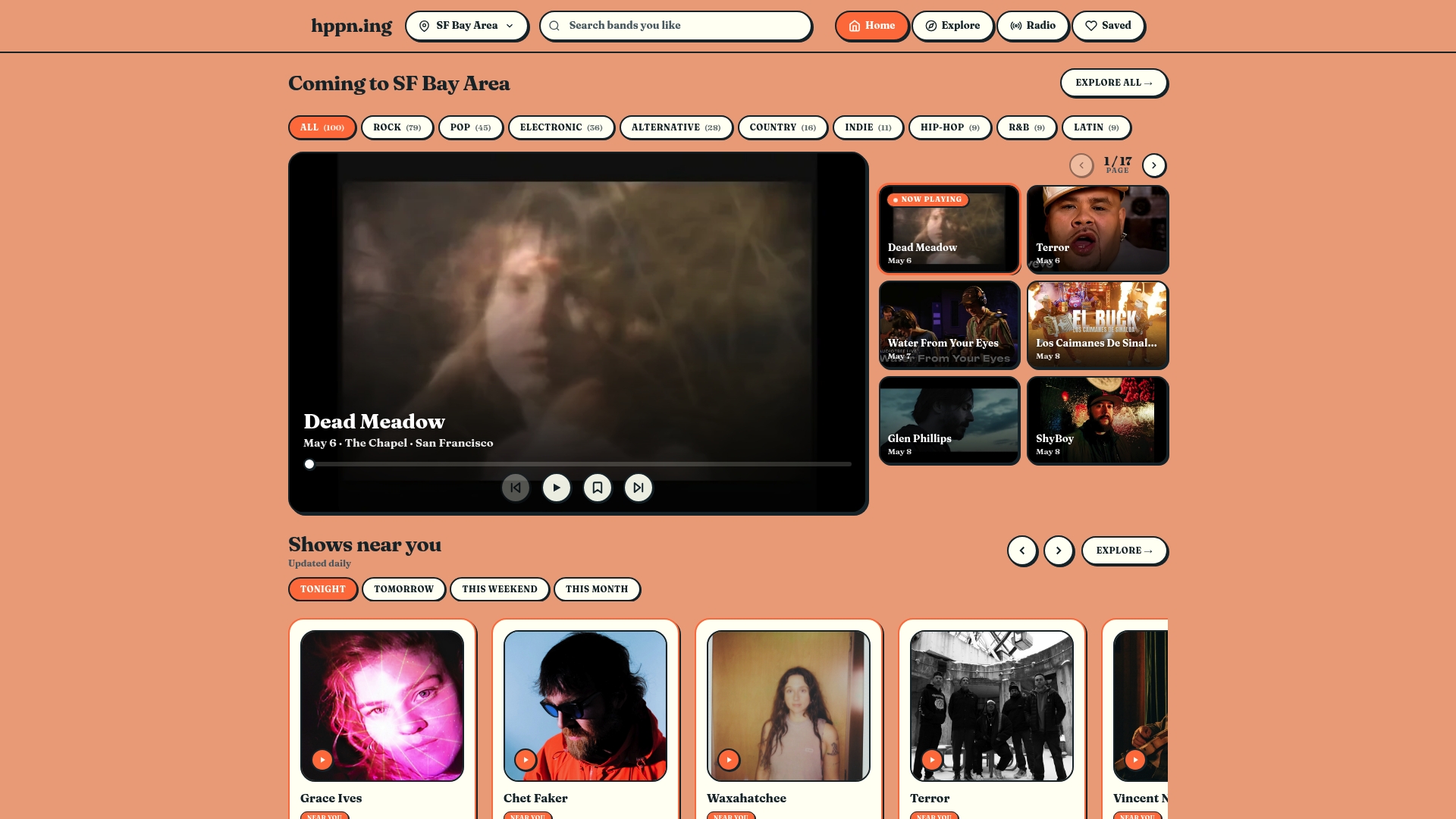
Hppn focuses specifically on emerging and underground artists, the ones most likely to be playing the intimate venues where real community connection happens. You can search artists and preview music before the show, so you arrive knowing what to expect and leave knowing you discovered something worth telling your friends about. For fans who want to go deeper, community notes and live music discussion on Hppn connect you with other fans who are just as invested in the local scene as you are.
FAQ
What are the main benefits of local music scene exposure?
Local music scene exposure builds social connection, preserves cultural identity, and generates direct economic activity in your community. Regular attendance at local shows also gives you early access to artists before they reach mainstream platforms.
How does supporting local artists differ from streaming their music?
Streaming pays artists a fraction of a cent per play. Buying tickets, merchandise, and attending shows puts significantly more money directly into an artist's hands and builds the loyal fan base that sustains long careers.
Why do local concerts build stronger community bonds than large festivals?
Small venue shows create personal, shared experiences where audience members and artists are in close proximity. That intimacy produces social cohesion and a sense of belonging that large, anonymous festival crowds rarely generate.
How can I discover local artists and shows in my city?
Community radio, local music offices, community event calendars, and platforms like Hppn all surface local artists and upcoming shows. Hppn specifically lets you preview artists by location before committing to attend.
Does attending local shows have a measurable economic impact?
Live music events directly employ sound engineers, venue staff, and promoters while generating ticket, merchandise, and food and beverage revenue that circulates through local businesses. Community music events have generated hundreds of thousands of dollars in direct sales in a single weekend.