
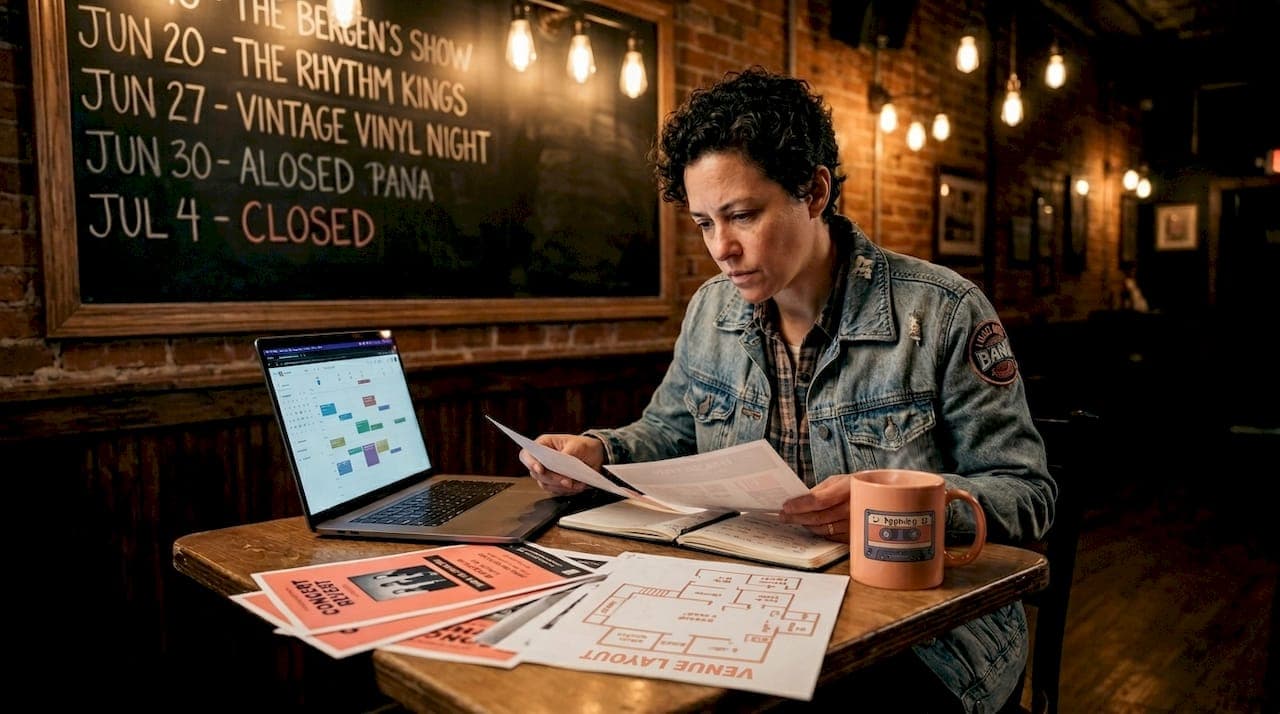
Local promoters are the organizing force behind live music events, responsible for booking artists, securing venues, marketing shows, and building the community connections that turn a one-off concert into a recurring cultural moment. The role of local promoters in live music extends far beyond logistics. They act as gatekeepers for emerging talent, economic drivers for neighborhoods, and architects of the social experiences that make a city's music scene feel alive. Independent promoters take chances on new artists and bold lineups that larger commercial operators would never risk. Without them, grassroots music scenes stall.
What are the key responsibilities of local promoters?
Local promoters handle every layer of a live music event, from the first conversation with an artist's manager to the last person leaving the venue. Their work is operational, relational, and creative all at once.
The core responsibilities break down like this:
- Booking performers. Promoters identify artists that fit the venue's capacity, the audience's taste, and the budget available. This requires knowing the local scene deeply, not just following streaming charts.
- Securing the venue. Promoters negotiate with venue owners on dates, door splits, technical riders, and capacity limits. The role of venues in live music is inseparable from the promoter's work since the two parties co-create the event experience.
- Marketing the show. Promoters build awareness through local press, social media, flyering, and partnerships with community organizations. This is where local knowledge becomes a genuine competitive advantage over national booking agencies.
- Managing event day logistics. Sound checks, door staff, ticketing systems, artist hospitality, and audience flow all fall under the promoter's coordination. A smooth show feels effortless to the audience precisely because the promoter has anticipated every friction point.
- Handling ticket sales and financial settlement. Promoters manage presale targets, walk-up sales, and post-show artist payments. Hitting presale numbers early is often what separates a confirmed show from a last-minute cancellation.
Pro Tip: Set a presale target before you announce the show publicly. If you hit 30% of capacity in the first 48 hours, you have strong evidence the show will sell through. If you don't, adjust your marketing spend immediately rather than waiting until the week of the event.
How music events are organized locally follows this same structure whether the show is a 50-person basement gig or a 500-person club night. The scale changes; the responsibilities do not.
How do local promoters impact their communities?
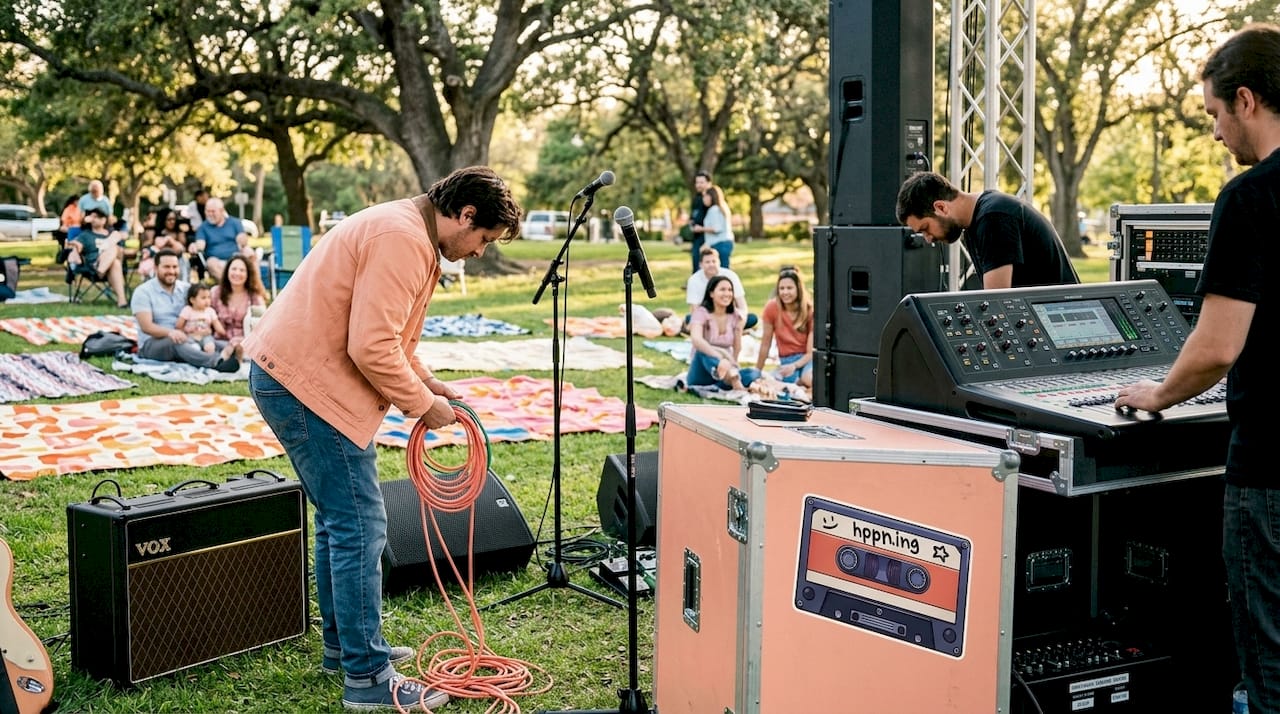
The economic and cultural impact of local promoters reaches well beyond the venue walls. Grassroots venues and the promoters who fill them support local jobs in hospitality, security, sound engineering, and bar service. That means every show night generates income for a web of workers who depend on live music staying viable.
The broader community effects include:
- Neighborhood economic activity. Concertgoers eat at nearby restaurants, park in local lots, and drink at surrounding bars before and after shows. The economic ripple effects of a well-attended show extend several blocks in every direction.
- Grassroots artist development. Local promoters give emerging musicians their first real stage opportunities. Fatboy Slim and Lucy Spraggan have both spoken publicly about how independent promoters were foundational to their early careers, underscoring that the ecosystem depends on someone willing to take a financial risk on unproven talent.
- Cultural identity. A city's music scene is part of its identity. Promoters who consistently program local artists build a sense of place that attracts both residents and visitors.
- Social cohesion. Live music events create shared experiences that strengthen community bonds in ways that digital entertainment simply cannot replicate.
"Grassroots venues are not just places to see music. They are the places where communities gather, where friendships form, and where local culture gets made." — Becky Hill, as cited by the BBC
The importance of local promoters becomes most visible when they disappear. Cities that lose their independent promoter networks tend to see venue closures follow within a few years, since venues without consistent programming cannot sustain their operating costs.
What promotional strategies build real audience engagement?
The most effective local promoters treat promotion as community building, not advertising. The difference is significant. Advertising pushes a message at an audience. Community building pulls people into an ongoing relationship with a scene.
Strategies that consistently work include:
- Localized media outreach. Providing local radio stations with artist access on show day generates authentic coverage that a paid ad cannot replicate. A morning radio interview with the headliner drives ticket sales more reliably than a social media post.
- Inviting regional creators to soundcheck. Giving local photographers, bloggers, and video creators early access builds a network of people who have a personal stake in the show's success. They share because they were included, not because they were paid.
- Territory-specific social content. Generic tour posts do not resonate locally. Promoters who create content referencing specific neighborhoods, local venues, or city-specific cultural touchpoints see measurably higher engagement from their target audience.
- Personal outreach. Chris Monzon, a promoter in Tucson, has documented that personal connection drives attendance far more reliably than algorithm-targeted promotion. People attend when they feel personally invited, not when they feel marketed to.
Pro Tip: Build a text message list of your 50 most reliable attendees. A personal text the week of the show, not a mass email blast, is the single highest-conversion outreach tool available to a local promoter. It signals that you see them as individuals, not just ticket buyers.
The promoters who build local music scenes that last are the ones who design post-show momentum. That means creating reasons for attendees to return: a recurring monthly night, a loyalty discount for regulars, or a community board where fans can suggest future bookings. One-off events generate revenue. Recurring events generate culture.
How do coordinated promoter-venue networks expand live music?
When individual promoters collaborate across multiple venues, the impact multiplies in ways that no single promoter can achieve alone. Two models from 2026 illustrate this clearly.
| Model | Structure | Key benefit |
|---|---|---|
| Everywhere At Once (UK) | Hundreds of venues and promoters united under National Lottery support | Demonstrates grassroots music's national scale and shared community role |
| 615 Indie Live (Nashville) | One ticket covers 15 venues across the city on a single night | Removes consumer decision complexity and increases total attendance across all venues |
The Everywhere At Once festival unites hundreds of grassroots venues across the UK, with Music Venue Trust coordinating shared branding and logistics. This model proves that local promoters working in coordination can achieve national visibility while keeping the programming genuinely local. The festival's scale also makes a political argument: grassroots music is not a niche interest but a mass cultural infrastructure.
Nashville's 615 Indie Live solves a different problem. When multiple shows compete on the same night, audiences face a decision that often results in staying home. A unified ticket removes that friction entirely. Attendees move between venues, discover artists they would never have sought out independently, and spend money across multiple businesses in a single evening. The audience routing solution is simple in concept but requires significant trust and coordination among promoters who might otherwise see each other as competitors.
The lesson from both models is that coordination among promoters amplifies community impact in ways that individual effort cannot. Supporting local artists through promoters becomes exponentially more powerful when those promoters share resources, audiences, and infrastructure.
Key takeaways
Local promoters are the connective tissue of live music scenes, linking artists, venues, audiences, and local economies into a functioning ecosystem that no single party can sustain alone.
| Point | Details |
|---|---|
| Core promoter functions | Promoters book artists, secure venues, market shows, and manage event day logistics end to end. |
| Community economic impact | Every show generates income for hospitality workers, sound engineers, and surrounding neighborhood businesses. |
| Personal connection beats algorithms | Direct outreach and community-building tactics consistently outperform algorithm-driven social promotion for local shows. |
| Coordinated networks multiply impact | Multi-venue models like 615 Indie Live and Everywhere At Once prove that promoter collaboration expands reach and attendance. |
| Promoters create recurring culture | The best promoters design post-show momentum and repeatable social loops, not just one-off events. |
Why local promoters are the most underrated force in music
I have spent years watching live music ecosystems from the inside, and the pattern is always the same. When a city's music scene is thriving, there are two or three local promoters working relentlessly behind the scenes. When a scene collapses, you can usually trace it back to those same people burning out, moving on, or losing access to a key venue.
The conventional wisdom treats promoters as middlemen, a layer between artists and audiences that technology should eventually eliminate. That view is wrong, and it misunderstands what promoters actually do. They are not transaction facilitators. They are community architects. A promoter who has been running monthly shows at the same venue for three years has built something that an algorithm cannot replicate: a room full of people who trust that showing up will be worth their time.
What I find most interesting is the local press relationship. Most promoters treat media coverage as a bonus, something that happens if a journalist happens to notice the show. The promoters who consistently sell out treat local press as production, meaning they plan for it, budget time for it, and give journalists the access they need to write a real story. That shift in mindset changes everything about how a show lands in a community.
The other thing most articles miss: good promoters design for the moment after the show ends. They think about what makes someone come back next month. That might be a mailing list signup at the door, a social post that tags attendees, or simply a promoter who stands at the exit and thanks people by name. Those repeatable social loops are what separate a promoter who runs events from one who builds a scene.
Support your local promoters. Buy tickets early. Tell your friends. The whole ecosystem depends on it.
— Ari
Discover the local shows your city's promoters are building
Local promoters are putting together shows in your city right now, and most of those shows will never appear on a mainstream platform. Hppn is built specifically to surface those events, giving you direct access to the concerts, emerging artists, and community music nights that local promoters work hard to fill.
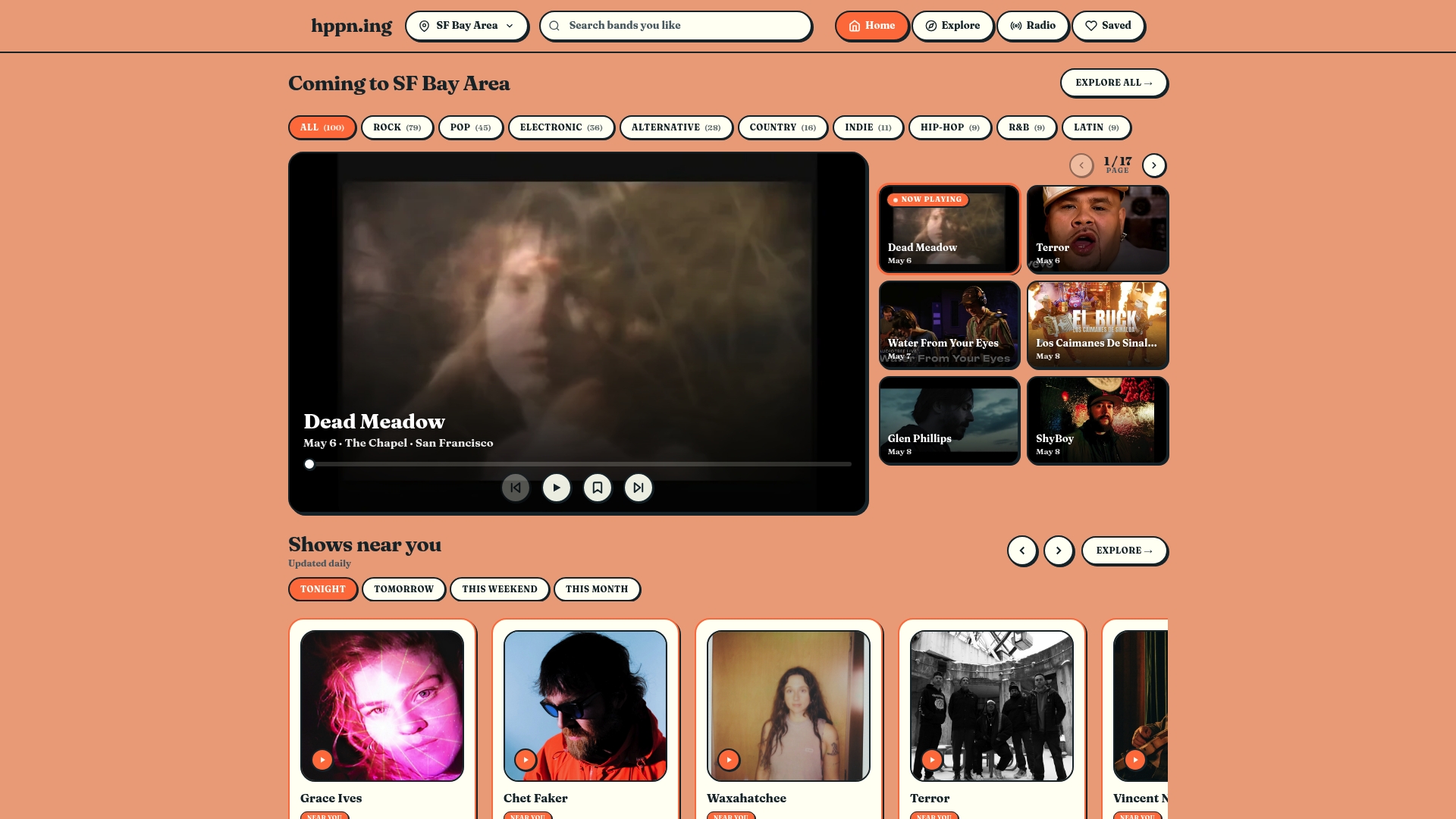
On Hppn, you can preview artists and find shows near you before you commit to a ticket, browse events by location, and discover the performers your local scene is talking about. The platform connects fans directly with the grassroots events that local promoters organize, making it easier to find live shows and support the people building your city's music culture. Every ticket you buy through a local promoter keeps the ecosystem running.
FAQ
What is the role of local promoters in live music?
Local promoters plan, organize, and market live music events while coordinating artists, venues, and audiences. Their role extends to community building, artist development, and sustaining the economic ecosystem around grassroots venues.
How do local promoters work with venues?
Promoters negotiate with venue owners on dates, capacity, technical requirements, and revenue splits. The relationship is collaborative since venues provide the space and infrastructure while promoters supply the programming and audience.
Why are local promoters important for emerging artists?
Local promoters give new artists their first real stage opportunities by booking them on shows before they have a proven audience. Independent promoters take financial risks on unproven talent that larger commercial operators typically avoid.
How do promoters build audience engagement for local shows?
Effective promoters use localized media outreach, personal direct contact with regular attendees, and territory-specific social content. Research from Tucson shows that personal connection drives attendance more reliably than algorithm-targeted promotion.
What is a multi-venue festival model and how does it help local music?
A multi-venue festival unites multiple venues and promoters under shared branding and ticketing, as seen in Nashville's 615 Indie Live and the UK's Everywhere At Once. This model removes audience decision friction, increases total attendance, and amplifies the impact of individual local promoters working together.