
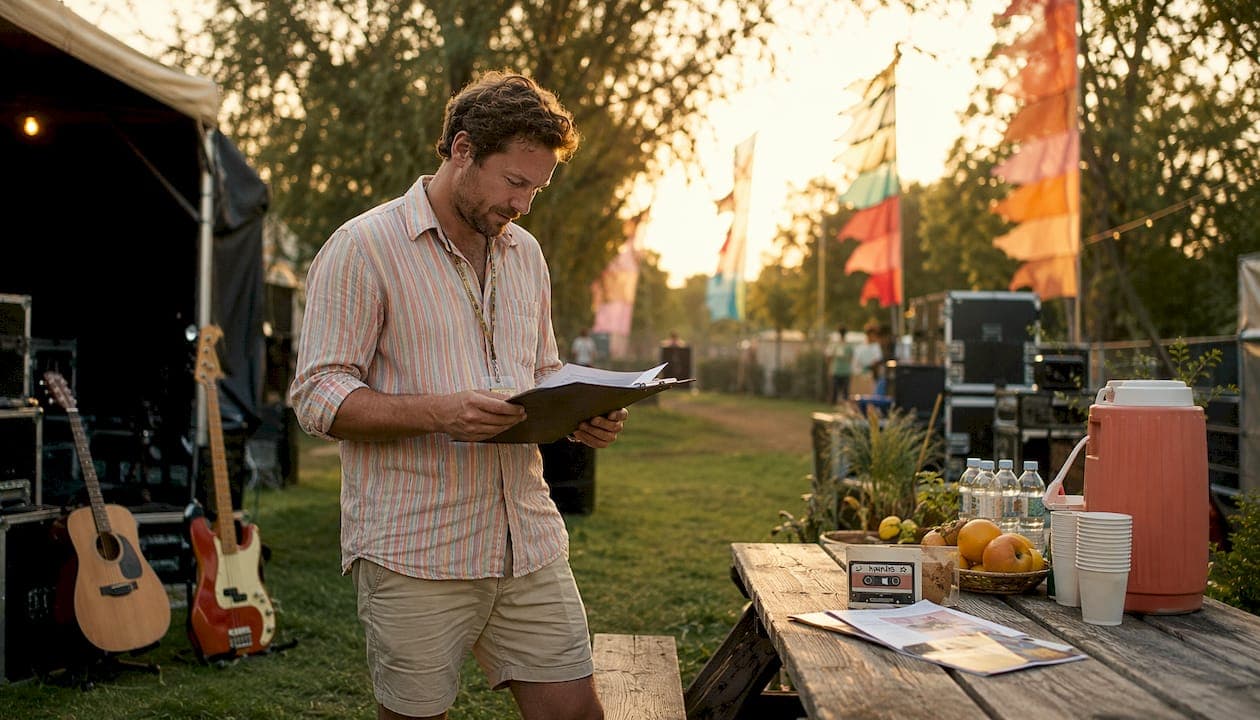
A music event sponsorship is a paid partnership where a brand provides money, products, or services to a show or festival in exchange for audience access and promotional exposure. Think of the local craft brewery whose logo covers the merch table at your favorite bar's Friday night showcase, or the energy drink brand running a sampling tent at a regional outdoor festival. The brand isn't paying for the music. It's paying for you, the audience, and the cultural alignment that comes with being in the room.
- Sponsors fund events that might not survive on ticket sales alone
- Fans get better production, free samples, and sometimes free tickets
- Artists get paid, and organizers cover costs they couldn't otherwise absorb
Pro Tip: When you see a brand name on a stage banner or a free product at the door, that's no accident. Someone negotiated that placement, and the money it brought in likely covered the sound system you're hearing.
Table of Contents
- What is a music event sponsorship, and what types exist?
- Why do brands invest in live music events?
- What do sponsors provide, and what do organizers deliver in return?
- How does sponsorship change the experience for fans?
- How can you spot artist-friendly versus exploitative sponsorships?
- Three real-world scenarios fans will recognize
- Practical ways fans can support artists at sponsored events
- What organizers and artists should include in every sponsorship agreement
- Key Takeaways
- Why thoughtful sponsorships matter for local scenes
- Hppn helps you find shows where artists come first
- Useful sources
What is a music event sponsorship, and what types exist?
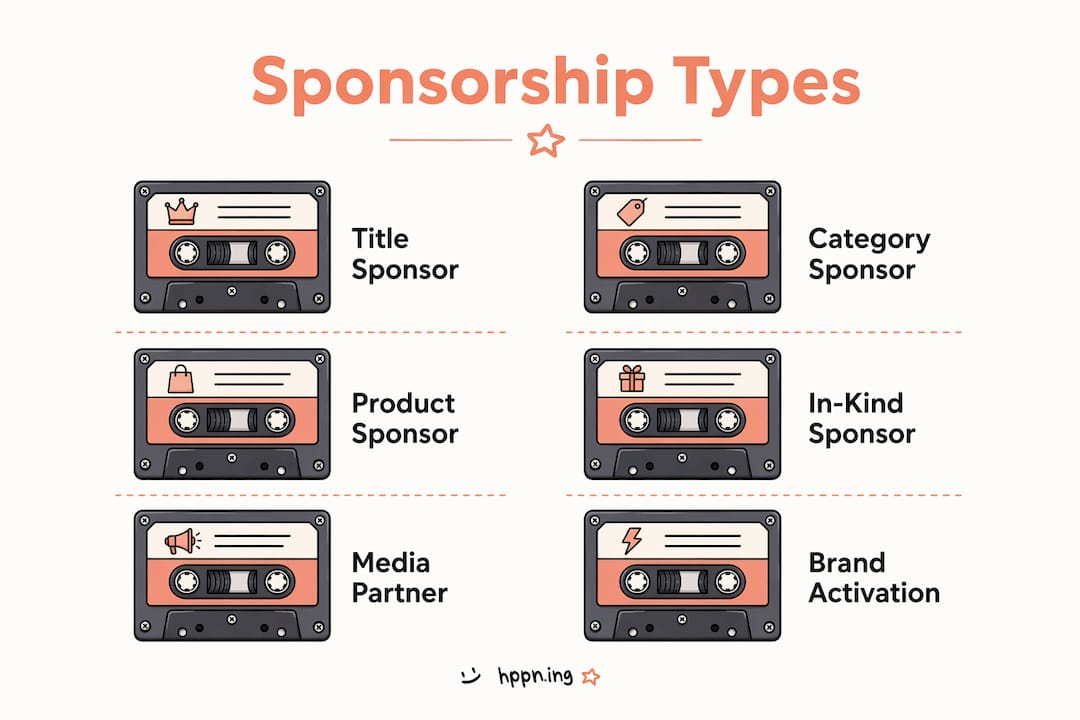
Sponsorships come in several forms, and each one looks different from where you're standing in the crowd.
Title or presenting sponsor — the biggest deal in the room. Their name goes in the event title itself ("The Hppn Summer Series presented by Brand X"). You'll see their branding everywhere: stage banners, wristbands, the MC's intro.
Official or category sponsor — a brand that owns a specific category at the event. One beer brand, one telecom, one streaming service. They get exclusivity within their lane.
Product or equipment sponsor — a guitar company supplies backline gear, or a headphone brand sets up a listening station. You'll notice their logo on the gear artists actually use on stage.
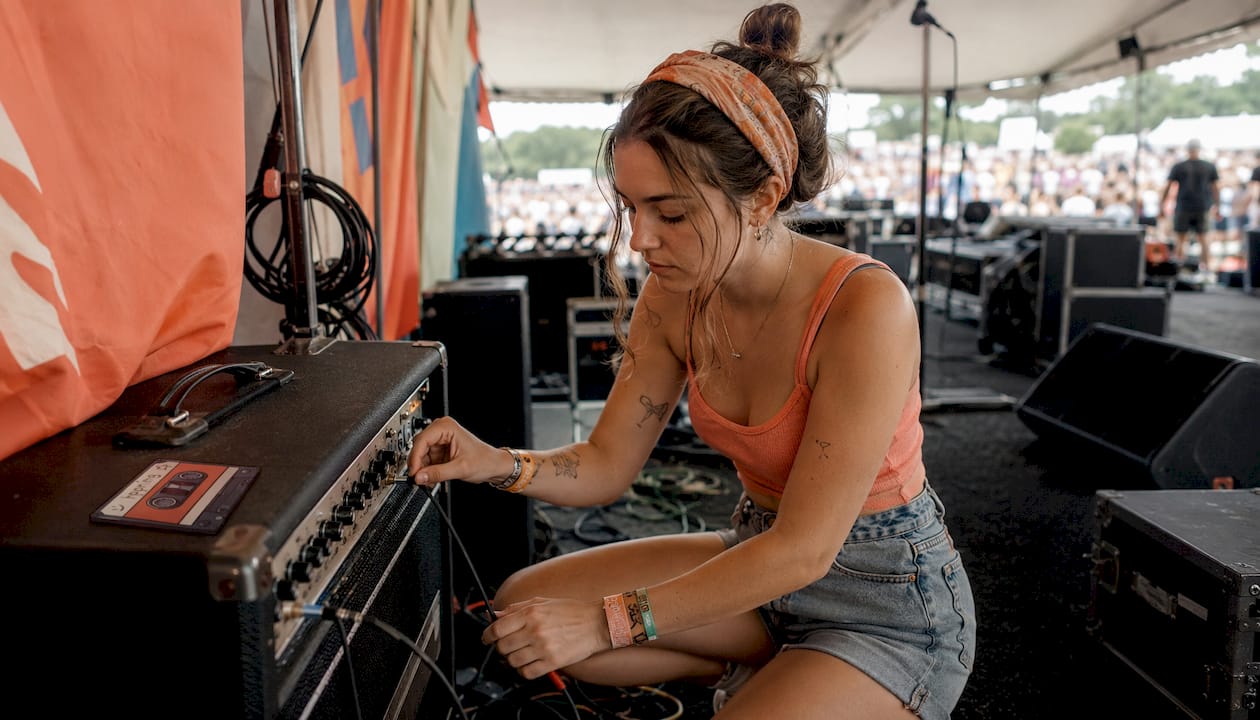
In-kind sponsor — instead of cash, they provide goods or services. A local print shop donates flyers; a food truck covers catering. In-kind support is common at smaller local shows where cash budgets are tight but community relationships run deep.
Media partnership — a local radio station or music blog promotes the event in exchange for on-site presence and co-branding. You'll hear "brought to you by" spots before the show.
Brand activation or experiential partnership — the most immersive type. Think photo booths, interactive games, or a sponsored artist meet-and-greet. These are designed to create a memory tied to the brand.
Pro Tip: Subtle sponsorship looks like a small logo on the back of a ticket. Heavy activation looks like a branded tent with staff handing you things. Both are sponsorships — the difference is the budget and the contract terms.
Why do brands invest in live music events?
The short answer: live music audiences are loyal, present, and emotionally open in a way that a billboard audience never is. Research consistently shows that consumers feel more connected to brands that partner with artists, which is why the industry has shifted toward longer-term partnerships rather than one-off logo placements.
Brands show up at concerts for a few specific reasons:
- Audience access — a craft brewery wants to reach 21–35-year-old urban music fans. A local show delivers that more precisely than most digital ads.
- Brand affinity — being associated with an artist fans love transfers goodwill. Brand alignment with artist values is the engine behind the best partnerships.
- Content and social reach — a sponsored activation generates photos, videos, and tags that extend the brand's reach well beyond the venue.
- Product trials — sampling tables at shows let brands get products into hands that might never pick them off a shelf.
- B2B hospitality — VIP tickets and backstage access are often used to entertain clients, not just fans.
Sponsors value engagement rates and audience loyalty more than raw follower counts. A hyper-engaged crowd of 300 at a local show can be more attractive to a craft brand than a passive audience of 30,000 online.
Live music strengthens communities in ways brands want to be part of — and smart sponsors know it.
What do sponsors provide, and what do organizers deliver in return?
The exchange is more structured than most fans realize. Here's how it typically maps out:
| What the sponsor provides | What the sponsor expects in return |
|---|---|
| Cash funding | Logo placement on all event materials |
| Free product (beer, gear, food) | Stage mentions and MC acknowledgments |
| Technical services (sound, lighting) | Branded activation space on-site |
| Marketing support (ads, social posts) | Social media posts and tagged content |
| Hospitality packages (VIP tickets) | Post-event report with impressions and attendance |
Contract terms typically cover duration, exclusivity by category, activation rules, and a reporting cadence. Exclusivity matters: a beer sponsor usually pays more knowing no competing brand will appear at the same event.
Pro Tip: Post-event reporting is the make-or-break item for renewals. Organizers who show up to a follow-up meeting with documented logo placements, social impressions, and booth traffic numbers are far more likely to lock in a second year. Sponsors who don't get a report often don't come back.
How does sponsorship change the experience for fans?
Sponsorship money shows up in ways you feel before you see the brand name. Better sound systems, professional lighting rigs, and a real stage instead of a riser are often funded by sponsors. So are the free samples at the door and the contest where you win a signed poster.
The visible effects:
- Branded stages and step-and-repeat photo backdrops
- Sampling tables with free product
- Sponsored lounges or VIP sections
- Ticket giveaways and social contests
- Changes to set timing to accommodate activation windows
The potential downsides are real too. Overt product pushes between sets can feel intrusive. Sponsor-first programming decisions sometimes shift set times in ways that frustrate fans who came for a specific artist. And a heavily branded space can dilute the intimate feel that makes a local show worth attending.
Pro Tip: Arrive early if you want to engage with activations without the crowd. Sampling tables and photo ops are usually less chaotic in the first hour. And if a brand rep asks you to post something, only do it if you'd genuinely recommend the product to a friend.
How can you spot artist-friendly versus exploitative sponsorships?
Not every deal benefits the artist. Some sponsorships fund the event while leaving the performer with a flat fee that doesn't reflect the brand's investment. Here's what to look for.
Positive signs:
- The brand's values visibly align with the artist's (a sustainable clothing brand sponsoring an indie folk act, not a fast-fashion label)
- Artists retain creative control over their set and presentation
- The organizer publicly announces how sponsorship funds support artist pay or touring costs
- The partnership is multi-year, suggesting the brand is invested in the artist's growth
- Local music scene exposure is part of the stated goal
Red flags:
- Sponsors demand product placement during the set itself
- Programming decisions are made around sponsor needs, not artist or fan experience
- No public information about how funds reach artists
- Artists are required to post branded content without disclosed compensation
- Post-event reporting is absent, suggesting the sponsor relationship is transactional
Pro Tip: Follow the artist's social accounts after a sponsored show. If they announce touring support, new gear, or a merch partnership that came from the deal, that's a sign the money moved in the right direction. Silence usually means it didn't.
Three real-world scenarios fans will recognize
Case 1: The local bar show. A craft brewery sponsors a Friday night showcase at a neighborhood bar. They supply the beer on tap and a branded merch table near the entrance. In return, the organizer puts the brewery's logo on the event flyer and the MC gives two shout-outs during the night. The artist gets a guaranteed fee, the bar covers sound costs, and fans get a dollar off their first drink.
Case 2: The community block party. A local audio equipment dealer provides the PA system and a sound engineer as in-kind support for a free outdoor series. Their banner hangs behind the stage. Artists who couldn't afford a proper sound setup get a professional mix, and attendees hear the music the way it was meant to sound.
Case 3: The small regional festival. A regional hospitality brand signs on as presenting sponsor for a two-day festival featuring emerging acts. They fund artist travel, provide a VIP lounge, and run a co-branded social campaign. The festival books artists it couldn't otherwise afford, fans get a curated lineup, and the sponsor gets content that runs for weeks after the event.
Practical ways fans can support artists at sponsored events
Your behavior at a sponsored show has more impact than you might think.
- Buy merch directly from the artist's table, not the sponsor's branded booth
- Attend meet-and-greets and Q&As — attendance signals to organizers that artist-focused programming works
- Tag the artist (not just the brand) in your social posts from the event
- Ask organizers or artists publicly how sponsorship funds are used — transparency requests matter
- Only share branded content if you genuinely like the product; forced promotion hurts artist credibility
- Use fan engagement tools to RSVP and follow artists so their audience numbers reflect real fans
Pro Tip: Use Hppn to find local shows where emerging artists are featured. Events on discovery-focused platforms tend to prioritize artist visibility over sponsor saturation.
What organizers and artists should include in every sponsorship agreement
A handshake deal is not a sponsorship. These are the items that need to be in writing:
- Payment schedule — when cash arrives relative to event date
- In-kind deliverables — exact products or services, quantities, and delivery dates
- Brand use rights — what the sponsor can and cannot do with event photos and artist likeness
- Exclusivity scope — which categories are locked, and for how long
- Hospitality allotments — number of VIP tickets, backstage passes, and guest list spots
- Activation rules — where the sponsor can set up, for how long, and with what staff
- Cancellation terms — who keeps what if the event doesn't happen
- KPIs and reporting cadence — agreed metrics (social impressions, booth traffic, ticket uplift) and a post-event review meeting
- Renewal pathway — a clause that gives both sides a first-look option for the following year
- Creative veto limits — the sponsor cannot alter the artist's set, visuals, or messaging without written consent
Local promoters often manage these negotiations on behalf of artists. If you're an artist without a promoter, this guide on organizing local events covers the basics of building a pitch that brands take seriously.
Key Takeaways
Music event sponsorship is a structured exchange where brands fund shows in return for audience access, and the best deals protect artist pay and creative control while improving the fan experience.
| Point | Details |
|---|---|
| Core definition | Brands pay for audience access and cultural alignment, not for the music itself. |
| Brand motivation | Sponsors prioritize engaged, loyal audiences over raw crowd size. |
| Fan experience | Sponsorship funds better production, free samples, and artist-supportive programming when structured well. |
| Spotting fair deals | Look for brand-artist value alignment, public artist compensation, and long-term partnership commitments. |
| Discover with Hppn | Hppn lists local and emerging-artist shows where you can find events that put artists first. |
Why thoughtful sponsorships matter for local scenes
The shows that shaped my taste in music weren't at arenas. They were at 200-capacity rooms where the sound was paid for by a local business that believed in the scene. That kind of sponsorship, quiet and community-rooted, is what keeps emerging artists on stage long enough to build a real following. When a brand shows up at a local show not to dominate the room but to support it, everyone benefits: the artist gets paid, the fan gets a better experience, and the neighborhood gets a reason to gather. The deals worth celebrating are the ones you barely notice, because the music is still the loudest thing in the room.
Hppn helps you find shows where artists come first
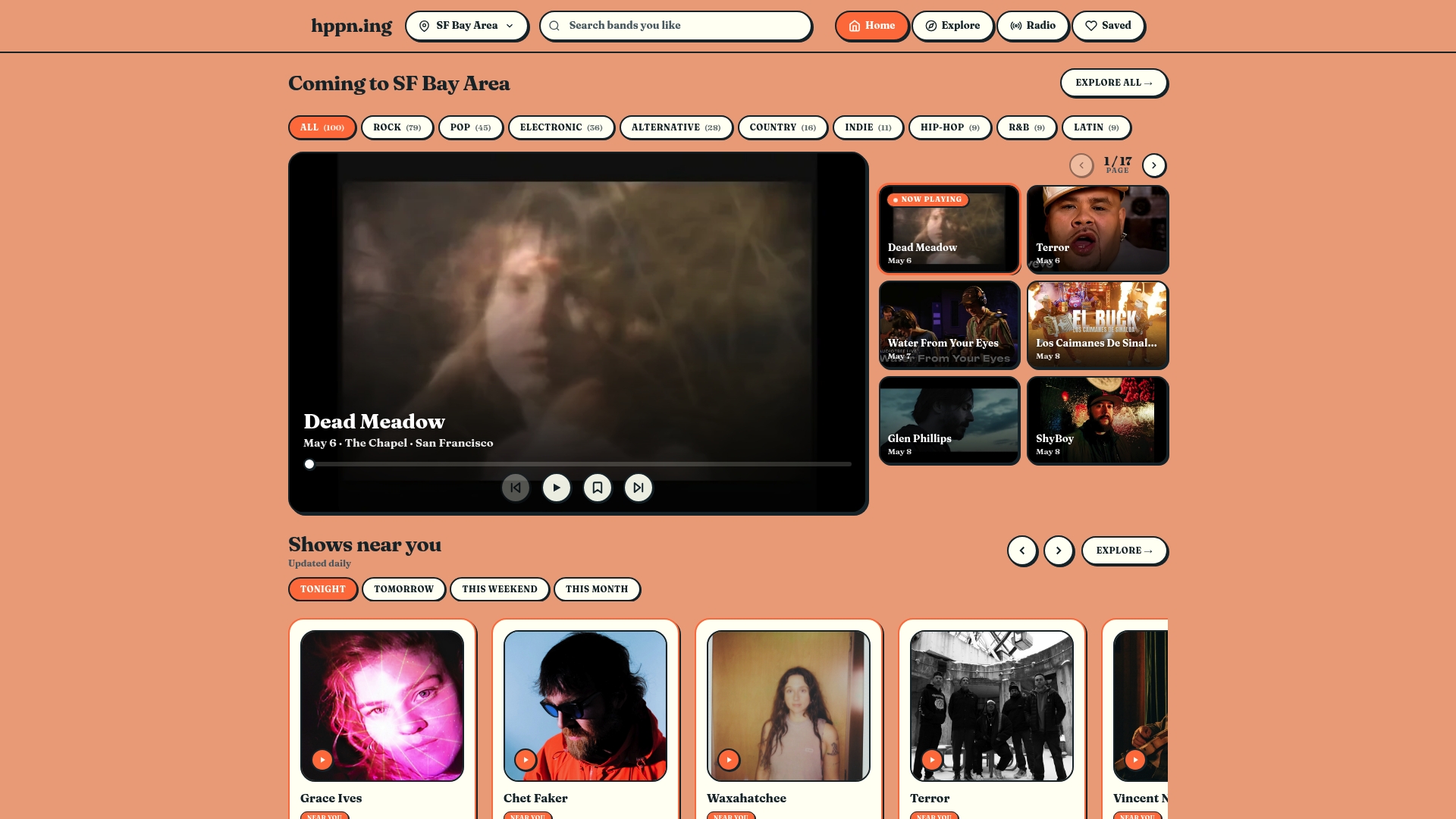
Hppn is built for fans who care about the artist behind the show, not just the lineup. The platform surfaces local and emerging-artist events near you, so you can preview the music before you buy a ticket and find shows where the sponsorship model actually supports the people on stage. Instead of scrolling through mainstream listings, you get a feed built around discovery. Find live music near you and see which shows in your city are putting artists first.
Useful sources
- Sponsorship Definition and Explanation, Bingley Music Live — plain-English definitions of sponsorship types and how they appear at events
- Music Sponsorship Guide for Artists, Orphiq — covers the sponsor-return model and visibility exchanges for tours and events
- How Indie Artists Secure Brand Sponsorships, Tunepact — practical advice on EPKs, audience analytics, and pitching brands
- Music Sponsorship Guide for Growing Bands, Promoly — examples of in-kind support and promotional exchanges for smaller acts
- Navigating Brand Partnerships in the Music Industry, Tinsel PR — overview of brand alignment and co-branded campaign models
- How to Secure Concert Sponsorships Successfully, Life Conceptual — step-by-step guide for organizers on proposals, outreach, and post-event reporting
- How to Find Sponsors for Your Music Event, Music Industry How To — practical sourcing and value-proposition strategies for event organizers
- How Music Events Are Organized Locally, Hppn Blog — first-hand context on local event organization and community impact