
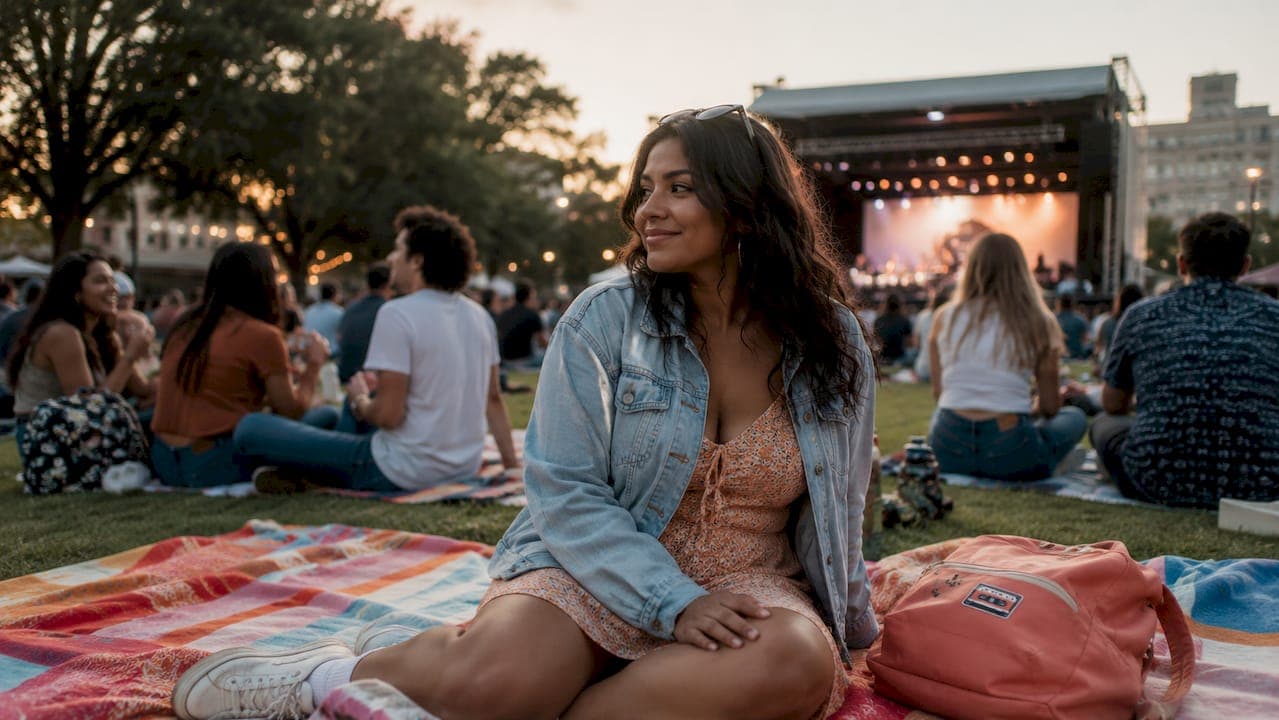
An outdoor concert series is a recurring program of live music events staged in open-air public venues, designed to bring free or low-cost performances directly to communities. Unlike one-off summer music festivals, a series runs on a predictable schedule across an entire season, making live music a regular part of neighborhood life. New York's SummerStage delivers 60+ performances annually across 13 parks, reaching over 227,000 attendees each season. The Levitt AMP Music Series funds about 180 free concerts statewide in Tennessee through $40,000 annual grants per community. These programs prove that outdoor music series are not casual events. They are structured, funded, and community-driven institutions.
What is an outdoor concert series and how does it work?
An outdoor concert series is defined as a curated sequence of live performances held in outdoor spaces on a recurring schedule, typically spanning spring through fall. The industry term for this model is "outdoor performing arts series," though "outdoor concert series" is the phrase most fans and organizers use in everyday conversation. Both terms describe the same format: multiple shows, one location or network of locations, and a shared identity that brings audiences back week after week.
The core goal is accessibility. Most series either charge no admission or operate on a donation basis, removing the financial barrier that keeps many people away from traditional ticketed venues. Organizers select artists to reflect the cultural makeup of the surrounding neighborhood, which means you might hear jazz one Thursday and cumbia the next. That programming variety is intentional. It signals to every resident that the series belongs to them.
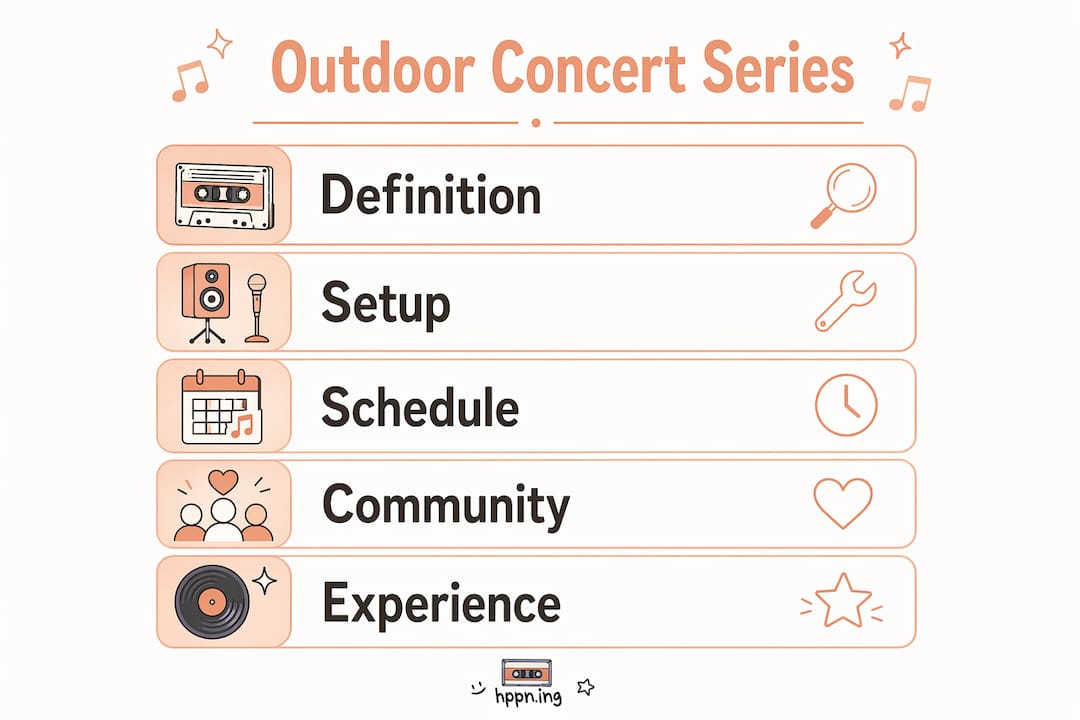
Volunteer engagement and community partnerships are critical for keeping these programs running season after season. Local businesses sponsor stages, neighborhood associations handle outreach, and volunteers manage logistics on event days. That shared ownership is what separates a concert series from a commercial music event.
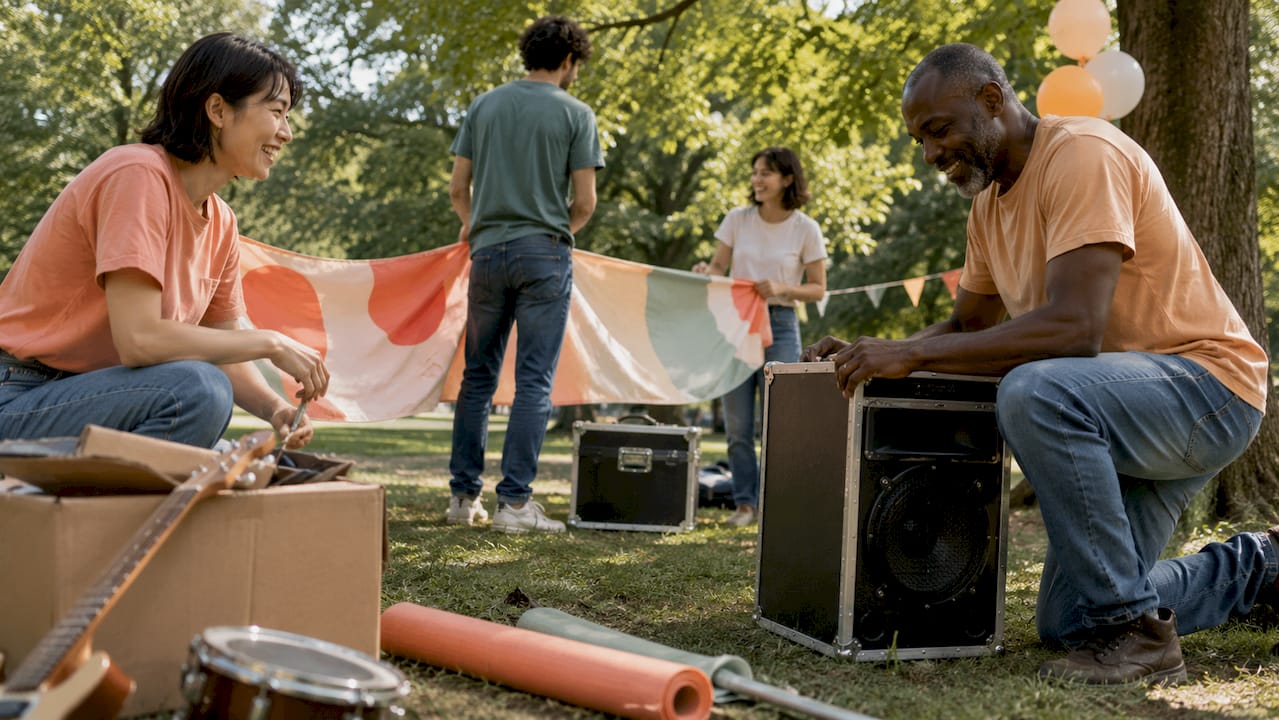
What formats and schedules do outdoor concert series follow?
Outdoor music series vary widely in scale, but most share a few structural features that define the format.
-
Weekly recurring shows. The most common model runs one show per week on the same day and time throughout the season. Quayside @ Nite hosts free, all-ages music every Thursday from 6:00 PM to 8:00 PM, may through september. That consistency builds habit. Fans plan their week around it.
-
Multi-venue programs. Larger series spread performances across multiple parks or neighborhoods. SummerStage operates across Central Park plus 12–15 neighborhood parks, which means the series reaches audiences who would never travel to a single central venue.
-
Seasonal windows. Most series run from late spring through early fall, roughly may through september, when weather supports outdoor gatherings. Some warmer-climate programs extend into october or run year-round on a reduced schedule.
-
Grant-funded seasons. Programs like Levitt AMP structure their seasons around funding cycles. The 2026–2028 partnership funds 150 concerts with up to $40,000 in matching grants per community. That funding model determines how many shows a community can host each year.
-
Pop-up and neighborhood micro-series. Smaller cities and community organizations run shorter series of four to eight shows tied to a specific plaza, waterfront, or park. These micro-series often focus on hyper-local artists and draw audiences from within a few blocks.
Pro Tip: If you want to attend a series consistently, look for programs that publish their full season lineup in advance. Series that release all dates at once make it easy to plan around work and travel schedules.
How do outdoor concert series benefit communities?
The benefits of outdoor concerts extend well beyond entertainment. These series function as neighborhood anchors, and the research behind them points to real social outcomes.
- Placemaking. Activation of underutilized outdoor public spaces is a primary goal, linking live music directly to community revitalization. A neglected plaza becomes a gathering point. A waterfront park that sat empty on weeknights fills with families.
- Cultural representation. Organizers select artists to reflect neighborhood demographics, which means genres and traditions that rarely appear on mainstream stages get a platform. That representation matters to residents who feel invisible in commercial music spaces.
- Multi-generational attendance. Series like Quayside @ Nite are explicitly all-ages events, which means grandparents, parents, and children share the same lawn. That cross-generational mix strengthens social bonds in ways that age-segregated venues cannot.
- Economic activity. Food vendors, local artisans, and nearby restaurants all benefit from the foot traffic a weekly series generates. The economic ripple effect is one reason cities and business improvement districts fund these programs.
- Accessible funding models. Community-first models often reject ticketing in favor of donations and grants to maintain free access. One creative example: the SummerSounds series in Greensburg uses donation containers called "Pig Floyd" piggy banks to collect performer fees from the crowd. That approach keeps the series free while giving attendees a tangible way to contribute.
"Free, high-caliber live music in outdoor public spaces is not a luxury. It is a tool for activating communities and making culture accessible to everyone, regardless of income." — Levitt Foundation, on the mission of the Levitt AMP Music Series
The social cohesion that builds over a season of weekly concerts is difficult to manufacture any other way. Neighbors who would never cross paths inside a ticketed venue find themselves sharing a blanket on the same lawn, talking about the band. That is the real product of a well-run outdoor series.
Where do outdoor concert series typically take place?
Venue choice defines the character of a series. The setting shapes the atmosphere, the crowd size, and the type of artists who perform.
| Venue type | Typical capacity | Best for |
|---|---|---|
| City park lawn | 500–5,000 | Large community series with diverse programming |
| Amphitheater | 1,000–10,000 | Ticketed or hybrid series with production budgets |
| Downtown plaza | 200–1,500 | Neighborhood micro-series and lunchtime events |
| Waterfront promenade | 300–3,000 | Summer evening series with scenic ambiance |
| Neighborhood park | 100–800 | Hyper-local series targeting specific communities |
Public parks dominate the format because they are already owned by the city, require no rental fees for community programs, and carry no age restrictions. SummerStage's use of Central Park and neighborhood parks across New York's five boroughs is the clearest example of how a multi-park model extends reach without requiring a single massive venue.
Amphitheaters add production value. Fixed seating, permanent sound systems, and covered stages allow for larger artists and more complex shows. The tradeoff is that amphitheaters can feel formal, which sometimes works against the casual, drop-in spirit that defines the best outdoor series.
Plazas and waterfronts work well for shorter series because they are already pedestrian-friendly. Foot traffic converts naturally into an audience. Someone walking home from work hears music, stops, and stays for an hour. That spontaneous attendance is harder to achieve in a park that requires a deliberate trip.
Pro Tip: Arrive 20–30 minutes before showtime at any outdoor series. The best spots on a park lawn fill up fast, and early arrival gives you time to check out food vendors and connect with other fans before the music starts.
How can you get the most out of an outdoor concert series?
Attending a live music event outdoors rewards preparation. A few habits separate a great experience from a frustrating one.
- Check the full season schedule early. Many series release all dates and artists at the start of the season. Knowing the lineup lets you prioritize the shows that match your taste and plan around conflicts.
- Bring the right gear. A blanket or low-back chair, sunscreen for afternoon shows, and a light jacket for evening performances cover most outdoor scenarios. Weather changes fast, and comfort directly affects how long you stay.
- Engage with vendors and community tables. Most series feature local food vendors, artisan markets, and nonprofit booths alongside the stage. Spending time at these tables supports the local economy and deepens your connection to the community behind the event.
- Participate in loyalty programs. Some series use stamp cards and raffles to reward repeat attendees with merchandise or prizes. These programs are worth tracking if you plan to attend multiple shows in a season.
- Support through donations. Free series depend on crowd contributions to pay artists. Dropping cash in a donation box or contributing online keeps the program running for future seasons.
- Share on social media. Tagging the series and the artists you see helps emerging musicians build an audience. For smaller series, a single post from an engaged fan can meaningfully increase an artist's visibility.
Finding the right series for your taste is easier when you have a tool that surfaces local live music events by location and genre. Hppn lets you browse concerts nearby and preview artists before you commit to attending, which takes the guesswork out of discovering new series in your city.
Key Takeaways
An outdoor concert series is the most accessible format in live music, combining recurring schedules, free admission, and community-driven programming to turn public spaces into cultural anchors.
| Point | Details |
|---|---|
| Core definition | A recurring program of live performances in outdoor public spaces, typically free or donation-based. |
| Scale varies widely | Series range from 8-show neighborhood micro-programs to SummerStage's 60+ annual performances across 13 parks. |
| Community activation | The primary goal is revitalizing underused public spaces, not just entertainment. |
| Funding models matter | Grants, donations, and local sponsorships replace ticket sales to keep access free for all. |
| Attendance habits pay off | Arriving early, tracking full season lineups, and participating in loyalty programs maximize your experience. |
Why outdoor concert series matter more than most people realize
I have attended a lot of live music events across a lot of formats, and nothing consistently surprises me like a well-run outdoor concert series. The surprise is not the music itself. It is the crowd.
You see people at these series who would never buy a ticket to a traditional venue. Older residents who stopped going to shows years ago. Families with young kids who cannot afford a babysitter and a ticket on the same night. Teenagers who discovered the series by accident while walking through a park. That mix of people sharing a lawn is genuinely rare in American cultural life, and it does not happen by accident. It happens because someone made the event free, put it in a public space, and booked artists that reflected the actual neighborhood.
What I find underappreciated is how much these series do for emerging artists. A free outdoor show in a city park can draw a larger and more diverse crowd than a paid show at a mid-size club. For a local musician trying to build a following, that exposure is significant. The role of public spaces in live music is not just about community. It is about giving artists a stage they could not otherwise afford to play.
The future of outdoor concert series depends on sustained funding and genuine community investment. Programs that treat the series as a civic institution, not a seasonal amenity, tend to survive budget cycles and grow over time. SummerStage has engaged 7 million people since its inception and is celebrating its 40th anniversary in 2026. That longevity is the result of treating live music in public spaces as a public good.
— Ari
Live music near you, ready to explore
Finding your next outdoor show should not require digging through multiple websites and social media pages.
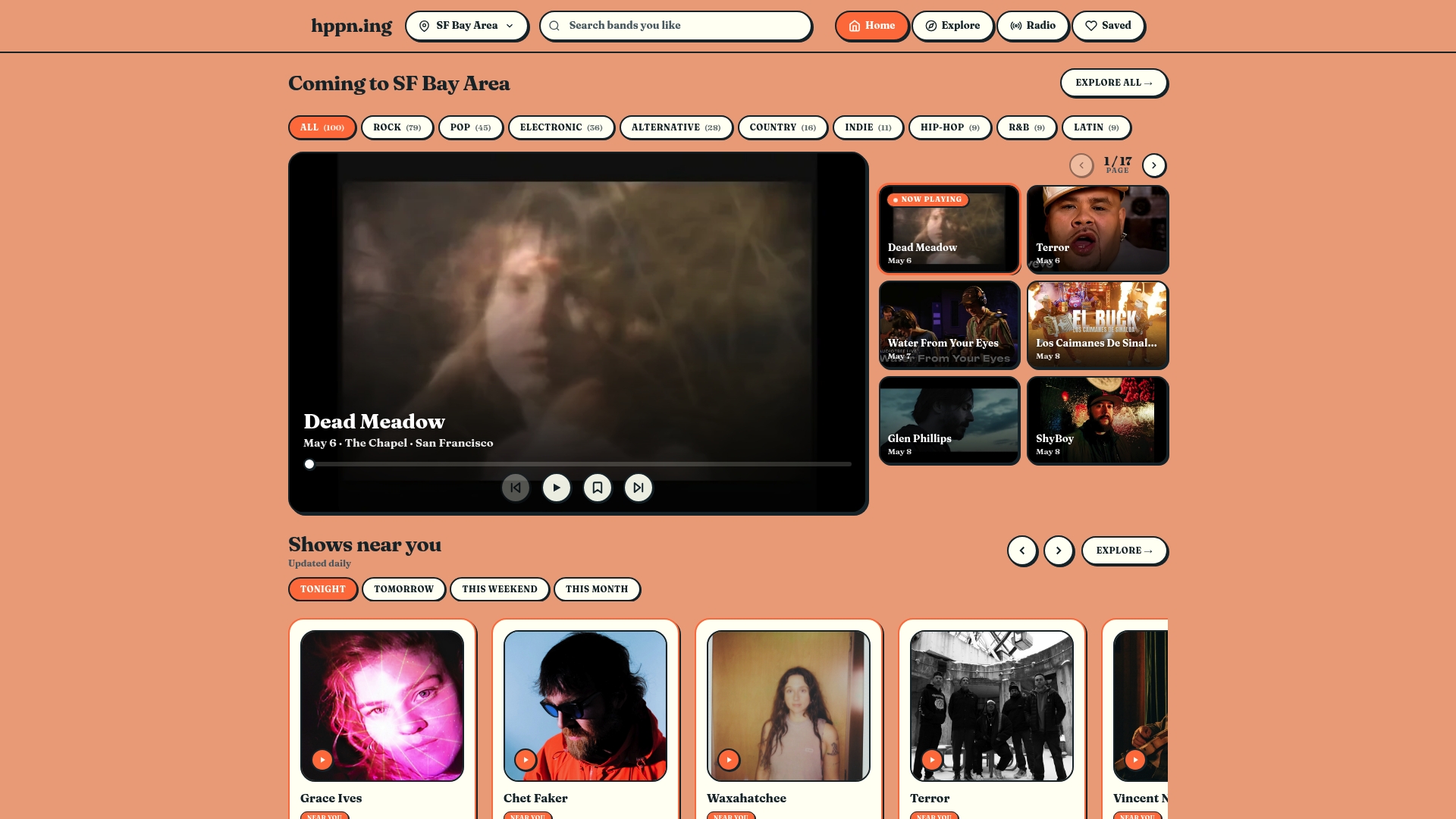
Hppn brings local live music discovery into one place. You can preview artists and find shows by location, browse upcoming outdoor events, and listen to emerging performers before you commit to attending. Whether you are tracking a weekly neighborhood series or looking for a one-night outdoor event across town, Hppn surfaces the music happening near you. The platform focuses on smaller and emerging artists, which makes it especially useful for discovering the kind of acts that headline community concert series before they outgrow them.
FAQ
What is the difference between an outdoor concert series and a music festival?
An outdoor concert series runs on a recurring schedule across a full season, typically weekly, while a summer music festival is a concentrated multi-day event. Series prioritize community access and free admission; festivals usually charge tickets and feature larger headliners.
Are outdoor concert series always free?
Most outdoor concert series are free or donation-based, funded through grants, local sponsorships, and crowd contributions. Programs like the Levitt AMP Music Series and Quayside @ Nite operate at no cost to attendees.
How long does a typical outdoor concert series season last?
Most series run from may through september, roughly five months, to align with warm weather. Some programs in milder climates extend their seasons into october or run a reduced winter schedule.
How do I find outdoor concert series near me?
Hppn lets you search live events by location and preview artists performing at local series. City parks departments and business improvement district websites also publish seasonal schedules.
What should I bring to an outdoor concert series?
Bring a blanket or low-back chair, sunscreen, a light jacket for evening shows, and cash for donations and food vendors. Arriving 20–30 minutes early secures the best spots on the lawn.