
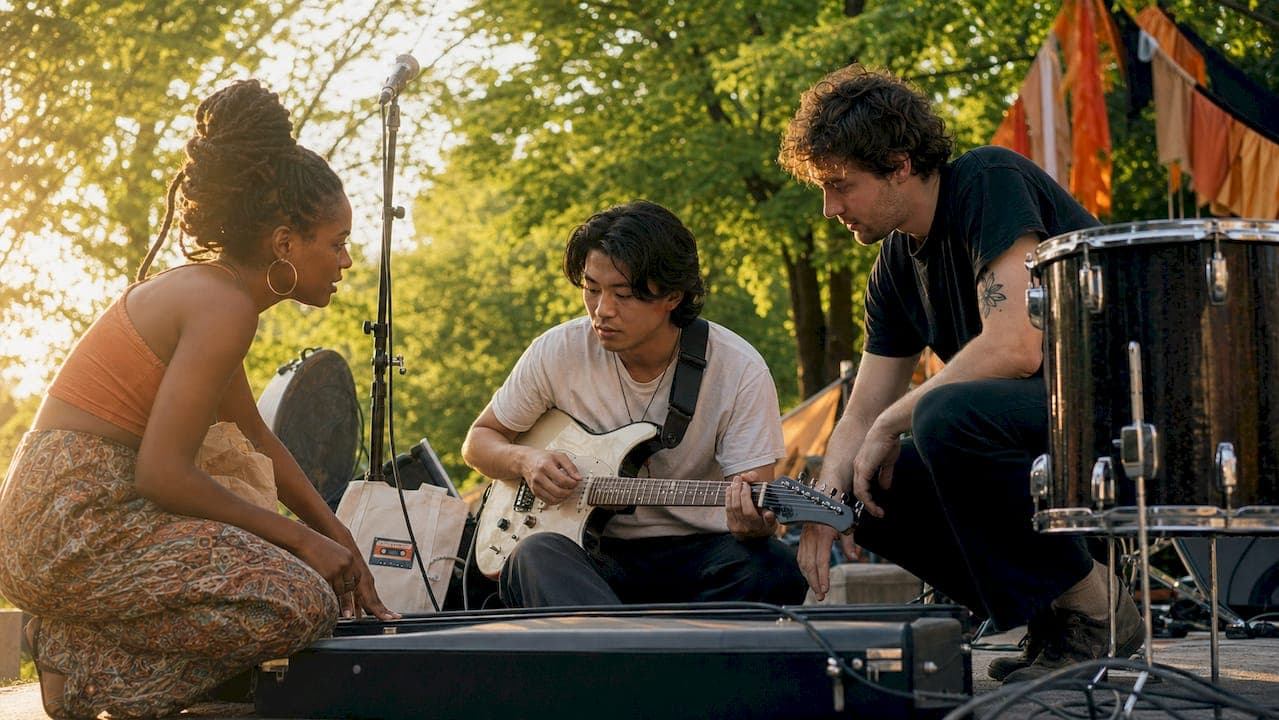
A music district is a formally designated urban area that concentrates music venues, recording studios, rehearsal spaces, and cultural infrastructure to build a sustainable music ecosystem. Cities create these districts to cluster music activity in one place, making it easier for artists, fans, businesses, and policymakers to work together. The result is a neighborhood with a distinct identity shaped by live performance, music education, and creative commerce. Understanding what is a music district in a city helps you get more out of any urban music scene you explore, whether you are visiting Nashville's Music Row or discovering a grassroots corridor in your own hometown.
What is a music district in a city, exactly?
A music district definition starts with intentional urban planning. Cities formally designate these areas to cluster music venues, studios, and supporting infrastructure in order to stimulate economic growth and cultural identity. Lincoln, Nebraska's 2025 designated music district is a clear example, spanning walkable corridors that link universities and downtown cores into a single, connected music zone.
The term "music district" is the common label, but urban planners and cultural economists often call these areas "music-centric entertainment zones" or "creative districts." Both phrases describe the same core idea: a geographic concentration of music activity backed by policy, investment, and community organization. The distinction matters because it signals that a music district is not just a street with bars. It is a planned ecosystem with governance behind it.
Music districts function as ecosystems for artists at every career stage, from grassroots performers using rehearsal rooms to established acts recording in professional studios. Folkestone Music Town in England illustrates this well. Its infrastructure supports emerging talent and collaboration, not just ticketed entertainment. That model shows why the best music districts feel alive at every hour, not only on weekend nights.
What features and infrastructure define a music district?
The physical and organizational makeup of a music district sets it apart from any ordinary entertainment strip. The core features include:
- Music venues of all sizes, from 50-capacity clubs to mid-size concert halls
- Recording studios and mixing facilities accessible to both independent and signed artists
- Rehearsal spaces available for rent by the hour or month
- Music education centers, conservatories, and university music programs
- Music industry offices covering publishing, management, and booking agencies
- Community organizations such as music boards, creative trusts, and artist collectives
These elements work together. A venue without a nearby rehearsal space forces artists to travel. A studio without a pipeline of educated musicians stagnates. The physical clustering of all these resources is what creates the density that makes a district feel different from the rest of the city.
Zoning overlays are equally critical. Noise-mitigation zoning and streamlined licensing protect venues from closure due to noise complaints. Without these protections, a single new residential building can shut down a venue that has operated for decades. Cities that take music districts seriously write these protections directly into their land-use codes.
Pro Tip: When evaluating a city's commitment to its music district, check whether it has a dedicated music board or cultural trust. Cities like Newcastle and Hull invest in these intermediary organizations as the connective tissue of their music economies.
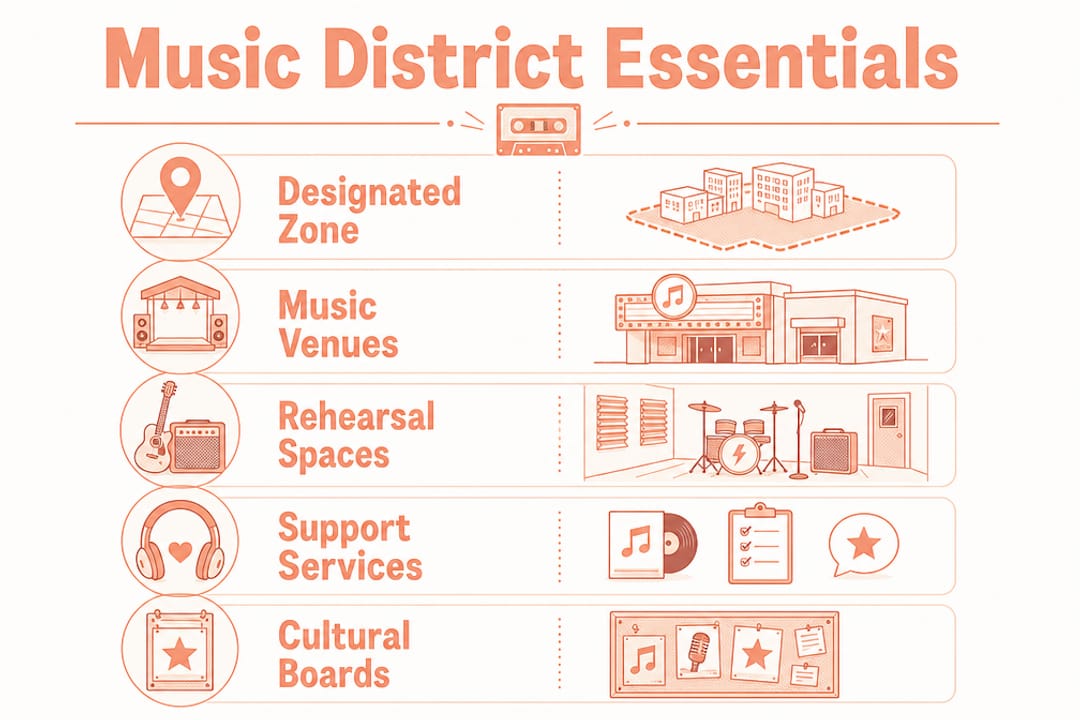
The organizational layer matters as much as the buildings. Intermediary organizations that connect venues, artists, and infrastructure are what separate a thriving music economy from a collection of struggling bars. Investing only in physical venues, without the networks and boards that link them, produces hardware without software.
How do music districts balance urban development and venue sustainability?
Urban development is the single biggest threat to established music districts. As neighborhoods gentrify, new residents move in next to venues that have existed for years and then file noise complaints. Without policy protection, venues lose those disputes and close.
The Agent of Change principle directly addresses this problem. This regulatory model requires developers of new residential buildings near music venues to pay for soundproofing, rather than placing that burden on the existing venue. The logic is straightforward: if you choose to build next to a music venue, you accept the acoustic environment. This policy has been adopted in Australia and parts of Europe and is gaining traction in American cities.
Cities use several other mechanisms to keep music districts viable:
- Cultural zoning overlays that restrict residential conversion in core venue corridors
- Municipal grant programs that fund venue upgrades, soundproofing, and accessibility improvements
- Streamlined licensing that reduces the cost and time of obtaining live music permits
- Late-night transit extensions that make venues accessible without requiring cars
Grassroots venues have fragile economics. Their survival depends on a combination of ticket sales, zoning protections, cultural grants, and transit infrastructure. Remove any one of those supports and the venue closes. Cities that understand this build redundancy into their support systems.
"A music district is not self-sustaining by default. It requires active policy, community engagement, and ongoing investment to survive the pressures of urban change. The cities that get this right treat their music districts as cultural infrastructure, the same way they treat parks and libraries."
Community engagement is the final piece. Residents who value their music district show up at zoning hearings, support local venues by buying tickets, and push back against developments that threaten the district's character. Community boards that include both venue operators and neighborhood residents produce better outcomes than top-down planning alone.
What is the visitor experience like in a music district?
Visiting a music district is rarely what first-time visitors expect. Nashville's Music Row covers 1.5 miles and takes about 25–35 minutes on foot or 10 minutes by rideshare. Yet much of the street looks like a quiet office neighborhood. The real activity happens behind closed doors in publishing houses, recording studios, and management offices. Expecting constant street performances leads to disappointment.
| District feature | What visitors typically find |
|---|---|
| Street-level activity | Pedestrian corridors, murals, and occasional live performances |
| Behind-the-scenes industry | Publishing offices, studios, and booking agencies |
| Venue concentration | Clubs, theaters, and listening rooms within walking distance |
| Public access | No gates or entry fees; open to all |
| Transportation | Walkable core with rideshare access from downtown |
Most music districts are publicly accessible with no gates or fees. Pedestrian-friendly design invites you to walk through and engage with street-level culture. The best districts combine curated activations, such as scheduled outdoor performances or guided tours, with open public space that anyone can use at any time.
Pro Tip: Combine a 30–45 minute walking loop with a short rideshare to cover a full music district corridor. Start at the historic or institutional anchor, walk toward the active venue cluster, and use a rideshare to return. You will cover more ground and catch both the industry side and the live performance side of the district.
The walkable format is not accidental. Urban planners design music districts to keep visitors moving between venues, restaurants, and cultural sites. That foot traffic benefits every business in the corridor, not just the music venues.
Why are music districts important for cities?
Music districts deliver measurable value to cities across three categories: economic output, cultural identity, and community cohesion. Each reinforces the others.
On the economic side, the numbers are concrete. Music tourism in the Newcastle region grew 29% by 2023, generating £364 million and over 1,300 jobs by 2024. That growth came directly from investment in music infrastructure and intermediary organizations, not from a single venue or festival. It shows what a coordinated music district strategy can produce at scale.
The cultural benefits are harder to quantify but equally real:
- Music districts give cities a distinct identity that attracts both residents and visitors
- They create visible pathways for emerging artists to grow within their home city
- They preserve local musical heritage against the homogenizing pressure of global entertainment brands
- They generate local tourism that circulates money through restaurants, hotels, and retail near the district
Music districts also serve as anchors for community cohesion. A neighborhood with a strong music identity gives residents a shared cultural reference point. Live music strengthens communities by creating regular, accessible gathering points that cut across income levels and backgrounds. A free outdoor concert in a music district does something a shopping mall cannot: it builds a sense of place.
The creative economy argument is equally strong. Cities that invest in music districts attract other creative industries, including film, design, and technology, because creative workers want to live near cultural activity. A music district is often the seed of a broader creative economy cluster.
Key Takeaways
A music district is a planned urban ecosystem that requires active policy, physical infrastructure, and community investment to deliver lasting cultural and economic value.
| Point | Details |
|---|---|
| Formal designation matters | Music districts are planned zones with zoning protections, not just neighborhoods with bars. |
| Infrastructure goes beyond venues | Rehearsal spaces, education centers, and intermediary organizations are as critical as concert halls. |
| Policy protects sustainability | The Agent of Change principle and cultural zoning prevent venue closures from urban development. |
| Visitor experience varies | Some districts are active street scenes; others, like Nashville's Music Row, are industry corridors. |
| Economic impact is measurable | Music tourism and job creation grow significantly when cities invest in coordinated district strategies. |
What I've learned about music districts that most guides miss
Most writing about music districts focuses on the glamorous parts: the iconic venues, the famous streets, the festivals. After spending time studying how these places actually function, I am convinced the real story is in the invisible layer.
The organizations you never hear about, the music boards, the creative trusts, the nonprofit intermediaries, are what keep a district alive when development pressure hits. A city can build a beautiful venue corridor and watch it collapse within a decade if no one is managing the relationships between artists, landlords, policymakers, and residents. The cities that invest in local music scenes at the organizational level consistently outperform those that just build venues.
The other thing that strikes me is how much a music district depends on the people who show up on a Tuesday night. The weekend crowd is easy. The real test of a district's health is whether locals treat it as part of their regular life, not just a destination for special occasions. That kind of habitual engagement only happens when the district feels genuinely accessible and not just curated for tourists.
If you care about urban music culture, the most useful thing you can do is learn which organizations in your city are doing the behind-the-scenes work. Support them. Show up to their events. Buy tickets to the small venues. The physical infrastructure of a music district is just the stage. The community is the performance.
— Ari
Live music in your city, made easier with Hppn
Music districts are built for exploration, and Hppn makes that exploration practical. The platform lets you find live music nearby by browsing concerts and events by location, previewing artists through video and audio before you commit to a show, and discovering emerging performers who are active in your city's music scene right now.
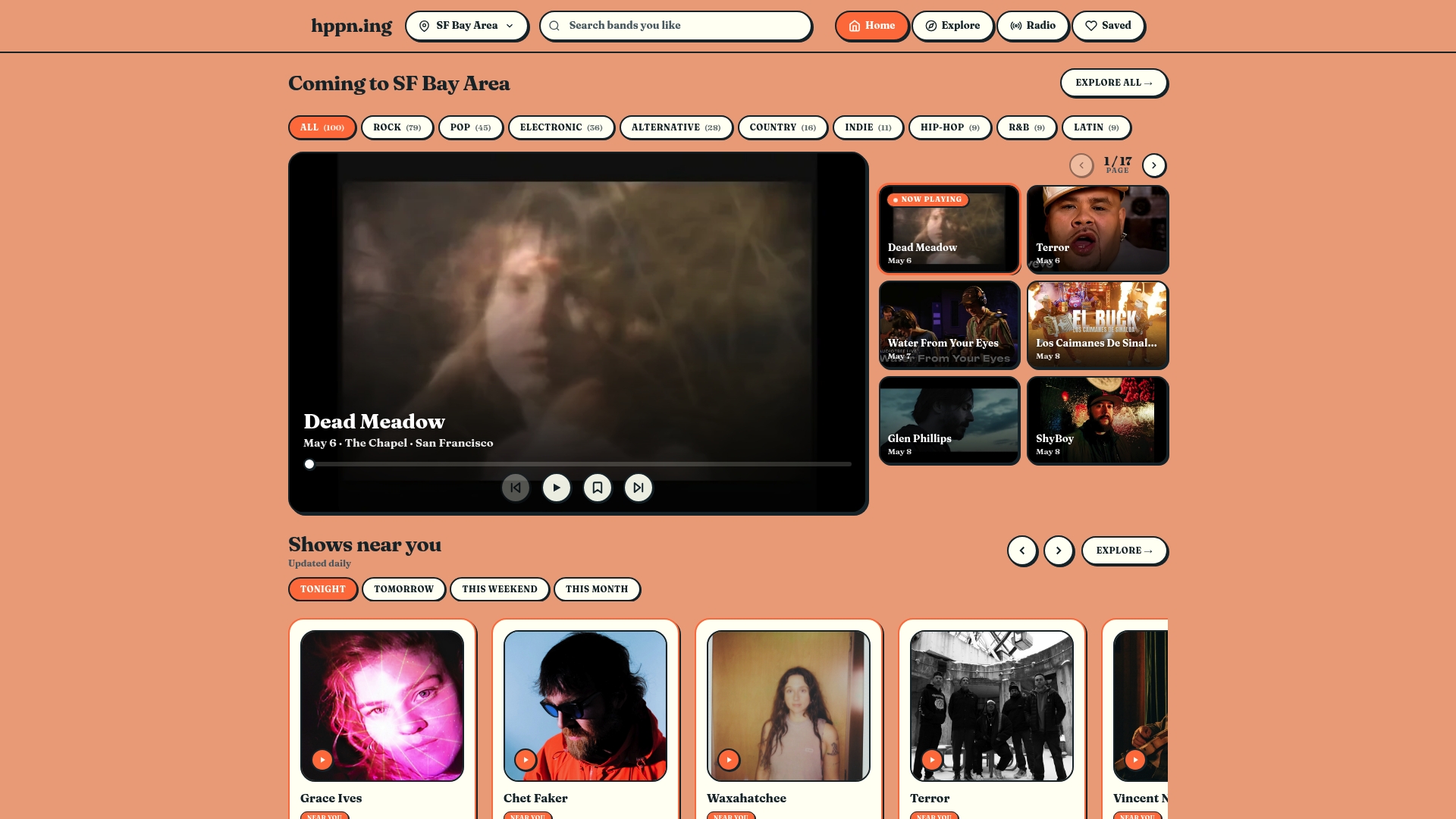
Hppn focuses specifically on the artists and venues that mainstream platforms overlook. That means you get access to the grassroots side of any music district, the small clubs, the independent artists, and the underground shows that give a city its real musical character. Whether you are new to a city or a longtime local who wants to go deeper, Hppn connects you to what is actually happening.
FAQ
What is the official definition of a music district?
A music district is a formally designated urban area that clusters music venues, studios, rehearsal spaces, and supporting organizations to build a sustainable music ecosystem. Cities create these designations through zoning policy and cultural planning.
How do I identify a music district in a city?
Look for a concentration of live music venues, recording studios, and music industry offices within a walkable corridor, often supported by municipal zoning protections and a local music board or cultural organization.
What activities happen in a music district?
Music districts host live concerts, open rehearsals, studio sessions, music education programs, and street performances. Some districts also include music industry offices for publishing, management, and booking.
Why do cities invest in music districts?
Cities invest in music districts because they generate tourism revenue, create jobs, attract creative industries, and build a distinct cultural identity. Music tourism in the Newcastle region grew 29% by 2023, producing over 1,300 jobs by 2024.
What is the Agent of Change principle in music districts?
The Agent of Change principle requires developers building new residential properties near existing music venues to pay for soundproofing. This protects venues from noise complaints filed by new neighbors and prevents venue closures caused by urban development.