
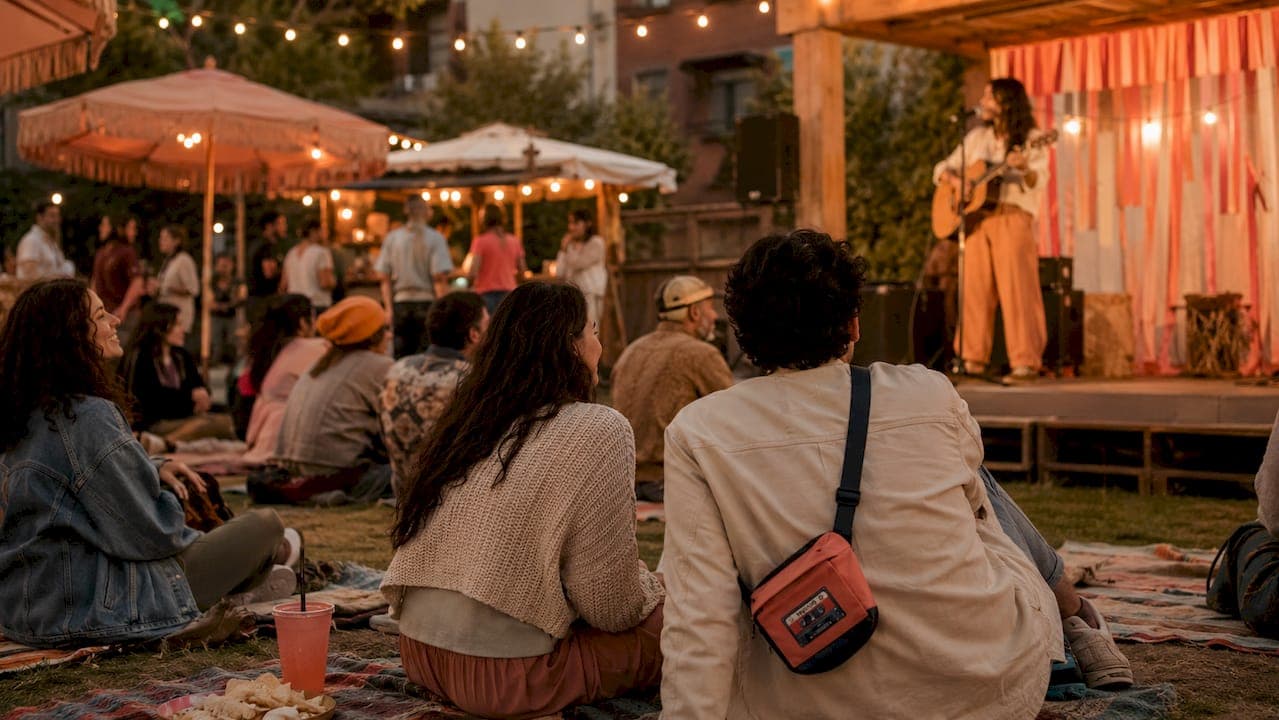
A local festival is a multi-artist, often multi-day event built around community experience, while a single gig is a focused live performance by one artist or band at one venue. Understanding what is a local festival vs single gig shapes how you plan your nights out, what you spend, and what kind of experience you actually get. The two formats serve different needs, attract different crowds, and affect artists in completely different ways. Knowing the difference helps you get more out of every show you attend.
What is a local festival vs single gig?
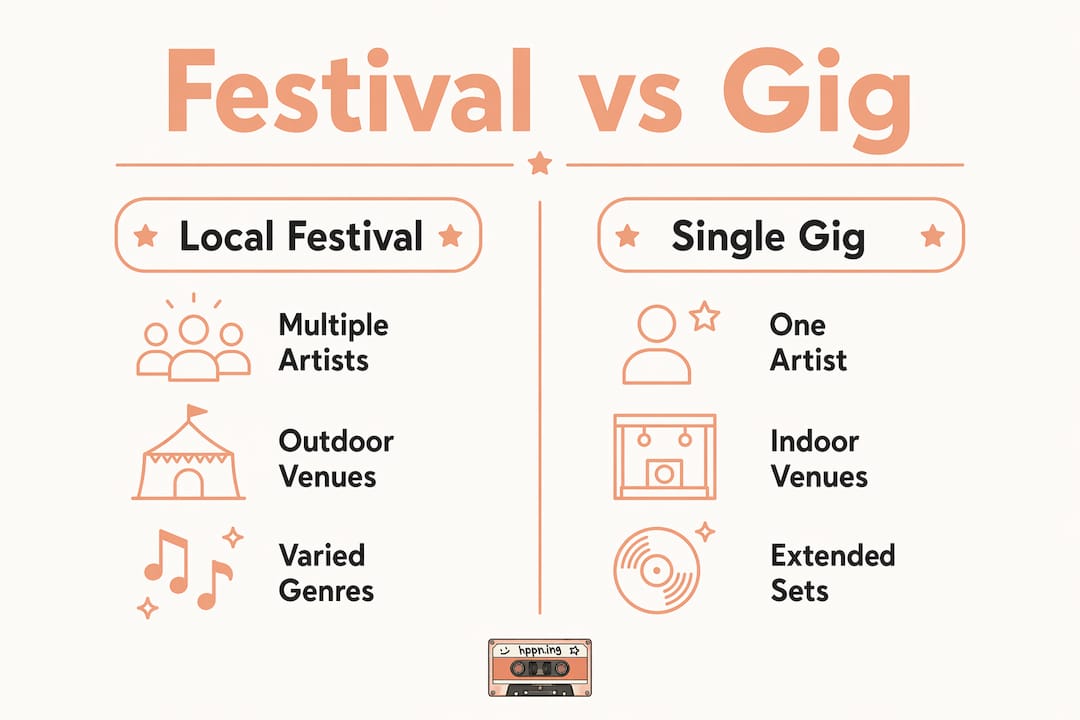
A concert or gig focuses on one artist at one venue, typically running 1–3 hours, while a festival involves multiple artists, multiple stages, vendors, and often spans more than one day. That structural gap changes everything about the experience. The word "gig" signals a casual, small, standing-room venue, while "festival" signals planned multi-artist schedules with crowd and weather considerations built in. Terminology sets expectations before you even buy a ticket.
Each performance within a festival is technically a concert, but calling the event a festival signals a broader cultural experience beyond music alone. A festival encompasses art installations, food vendors, social spaces, and community programming. A gig strips all of that away and puts the artist front and center.
How do scale, setting, and atmosphere differ?
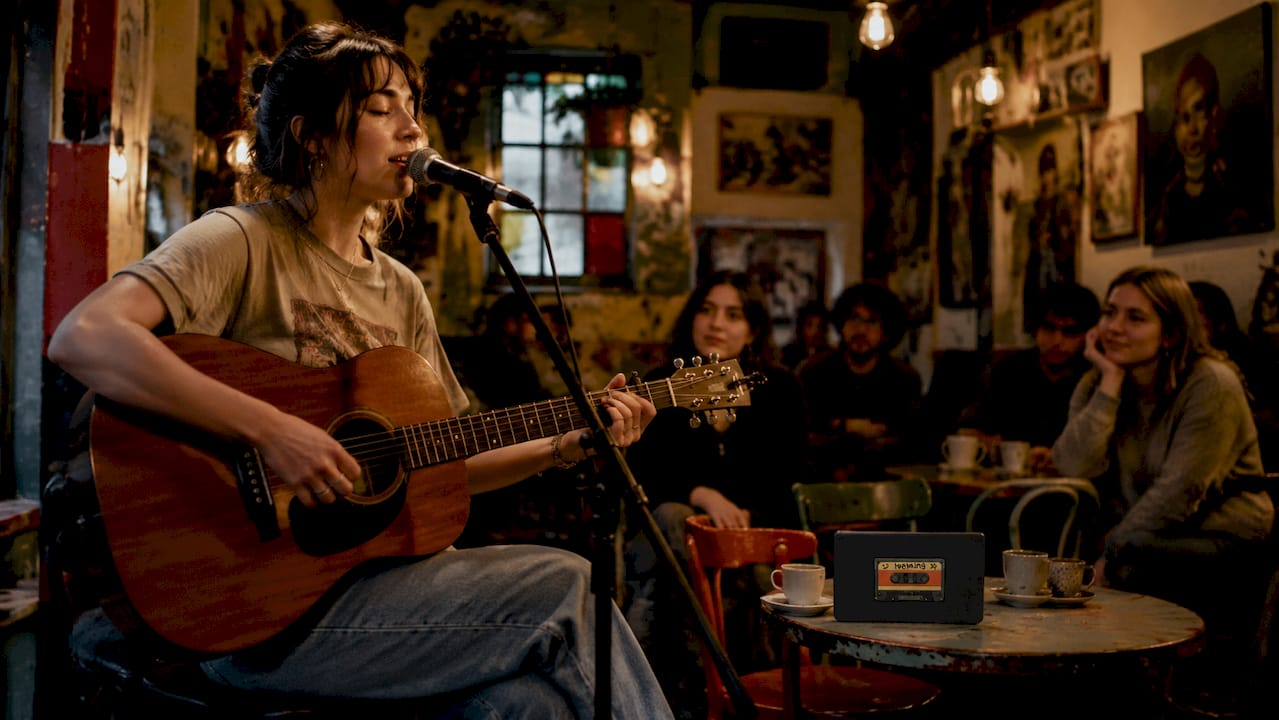
Scale is the most obvious dividing line. Festivals run across multiple stages, sometimes outdoors across entire parks or fairgrounds, while gigs happen in clubs, bars, small theaters, or neighborhood venues. The physical size of the event changes how you move, who you meet, and how much of the music you actually hear clearly.
Atmosphere at a festival is immersive. You walk between stages, stumble into a set you never planned to see, grab food from a local vendor, and spend hours in a social environment that feels more like a neighborhood block party than a concert. A gig is the opposite. The room is smaller, the crowd is there for one reason, and the energy is focused entirely on the stage.
Here is how the two formats compare across key experience factors:
- Venue size: Festivals use parks, fairgrounds, or multi-block street closures. Gigs use clubs, bars, or small theaters.
- Artist count: Festivals feature dozens of acts across multiple stages. Gigs feature one headliner, sometimes with a single opener.
- Set length: Festival sets typically run 30–60 minutes per artist. Gig sets run 60–120 minutes or longer.
- Crowd density: Festivals spread crowds across large areas. Gigs concentrate everyone in one room.
- Social experience: Festivals encourage wandering and discovery. Gigs reward focused attention.
Pro Tip: At a festival, arrive early for the smaller stage acts. Those sets are shorter, the crowds are thinner, and you often catch the most interesting artists before they blow up.
Accessibility also differs. Gigs in smaller venues are often easier to get to by public transit and require less planning. Festivals demand more logistics, from parking to wristbands to knowing the stage schedule in advance.
How do artist roles and finances differ between the two?
Artists experience festivals and gigs very differently, and the financial structure is one of the biggest reasons. Festivals pay artists guaranteed fees, removing the ticket-sale pressure that solo gigs place entirely on the performer. For an emerging artist, that guaranteed payment is a significant safety net.
At a single gig, the artist carries the promotional weight. They need to sell tickets, build the room, and justify the booking. If turnout is low, the financial hit falls on them directly. That pressure shapes how artists approach local shows and which opportunities they prioritize.
Key differences in how artists navigate the two formats:
- Payment structure: Festival artists receive a set fee. Gig artists often earn a percentage of ticket sales or a negotiated door deal.
- Promotion burden: Gig artists must actively market their shows. Festival artists benefit from the event's own marketing.
- Fan connection: Gigs allow longer sets and direct crowd interaction. Festival sets are shorter and more performance-focused.
- Career exposure: Festivals place smaller artists in front of audiences who did not specifically come to see them, which builds new fans faster.
Radius clauses add another layer of complexity. Major festivals restrict artists from booking local shows within a fixed mileage and time period, sometimes extending 50–300 miles and lasting 6–8 months. That restriction limits how often fans can see those artists at local gigs around festival season. It also squeezes the local concert circuit by removing mid-tier artists from the available pool of performers.
The rise of large festivals changes local music economies by restricting solo gigs through radius clauses but simultaneously boosts exposure for smaller artists who step into the openings left behind. The net effect is complicated. Festivals help some artists while making the local gig circuit harder for others.
What are the benefits and drawbacks for fans?
Choosing between a festival and a gig comes down to what you want from a night out. Both formats deliver live music, but the experience on either side of that equation is genuinely different.
| Factor | Local festival | Single gig |
|---|---|---|
| Music variety | High. Multiple genres and dozens of acts. | Low. One artist or a tight lineup. |
| Set length | Short per artist, typically 30–60 minutes. | Long, often 90 minutes or more. |
| Ticket cost | Higher upfront, but covers many acts. | Lower per event, but adds up across shows. |
| Sound quality | Variable across outdoor stages. | Consistent in a purpose-built indoor room. |
| Social atmosphere | Wide, community-oriented, exploratory. | Tight, focused, artist-centered. |
| Discovery potential | High. You will hear artists you did not plan to. | Low. You already know who you came for. |
Festivals offer fans more musical variety and social immersion but come with shorter artist set times and more complex logistics. That trade-off is real. If your favorite artist plays a 45-minute festival slot, you get a highlight reel, not the full show.
Gigs give you the full show. You hear deep cuts, extended jams, and the kind of crowd interaction that only happens when an artist has 90 minutes and a room of 300 people who know every word. The intimacy of a smaller venue is something a festival cannot replicate.
Pro Tip: If you want to discover new artists, go to a festival. If you want to go deep on one artist you already love, book the gig. Both are worth your time, but they scratch different itches.
What role do free community festivals play?
Free local festivals occupy a category of their own. Local free festivals are held in public parks or neighborhoods without tickets or fences, promoting cultural exchange and community access in ways that ticketed events cannot. Pioneer Square Fest in Seattle is a strong local festival example of this model, using storefronts, parks, and public spaces to create a walkable, barrier-free music experience.
These events rely on decentralized stages and informal schedules designed to encourage walk-ins, creating a spontaneous social experience unlike the strict lineups of commercial festivals and gigs. You might wander past a stage on your way to lunch and end up staying for an hour. That kind of accidental discovery is the point.
Free neighborhood festivals also serve communities that commercial events exclude. No ticket price means no financial barrier. No fence means no separation between the event and the neighborhood around it. Small, free local festivals enable cultural exchange and visibility by removing ticket barriers and hosting music in communal parks, which builds social cohesion in ways that a ticketed gig simply cannot.
The community impact of live music events extends well beyond the music itself. Local artisans, food vendors, and small businesses all benefit when a free festival draws foot traffic to a neighborhood. That economic ripple effect is one reason cities actively support these events.
Key Takeaways
Local festivals and single gigs each deliver live music but differ fundamentally in scale, artist experience, cost structure, and community impact.
| Point | Details |
|---|---|
| Core format difference | Festivals feature multiple artists across stages; gigs focus on one artist in one venue. |
| Artist finances | Festival artists earn guaranteed fees; gig artists carry ticket-sale and promotional risk. |
| Fan experience trade-off | Festivals offer variety and discovery; gigs offer longer sets and deeper artist connection. |
| Radius clause impact | Major festivals restrict artists from local gigs within 50–300 miles for up to 8 months. |
| Free community festivals | Barrier-free, park-based events build social cohesion and support local economies without ticket costs. |
Why both formats belong in your live music diet
I have spent years going to both festivals and gigs, and the honest truth is that they are not competing formats. They are complementary ones. A festival is where I have discovered most of the artists I now follow obsessively. A gig is where I actually get to know them.
The mistake I see fans make is treating festivals as the premium experience and gigs as the consolation prize. That gets it backwards. A 45-minute festival set from an artist you love is a teaser. The gig two months later, in a 400-person room, is the real thing. The festival sold me on the artist. The gig is where I became a fan.
What I find genuinely interesting about the current moment is how local music scenes are adapting to both formats simultaneously. Smaller cities are building their own festival cultures around artists who are not yet big enough for the major circuit. Those events create a third category: the local festival that feels like a gig because everyone in the room knows the headliner personally.
My honest recommendation is to stop choosing between the two and start using each format for what it does best. Go to festivals to find your next favorite artist. Go to gigs to cement that relationship. The live music ecosystem needs both, and so do you.
— Ari
Find your next show with Hppn
Knowing the difference between a festival and a gig is one thing. Finding the right event at the right time is another challenge entirely.
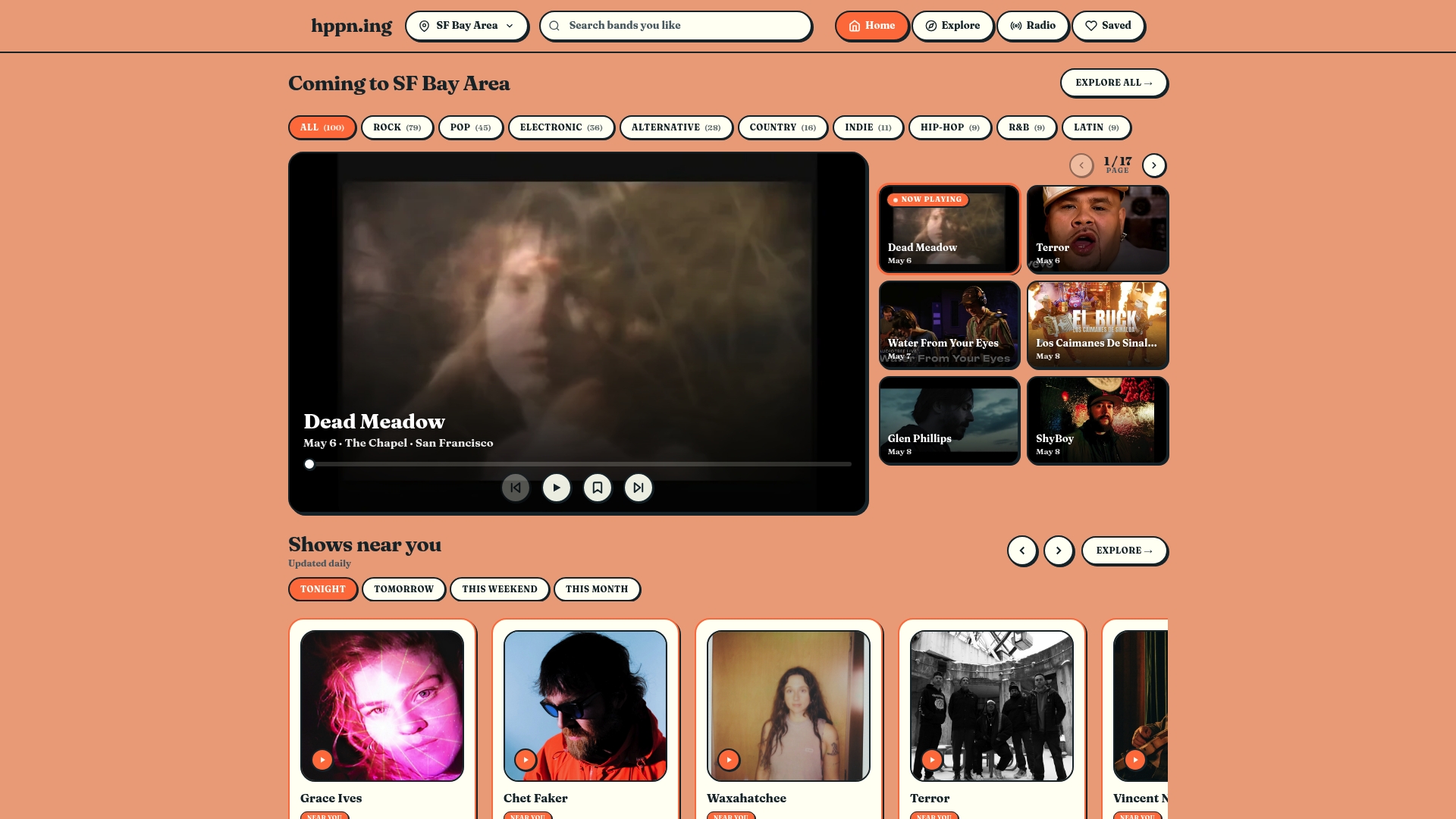
Hppn is built for exactly this. The platform lets you preview artists and find shows near you before you commit to a ticket, whether that is a free neighborhood festival this weekend or a gig from an emerging local act you have never heard of. You can browse by location, watch video previews, and check out trending local artists before they sell out their next show. Hppn surfaces the artists and events that mainstream platforms miss, which makes it the right tool for fans who want more than the same ten headliners on repeat.
FAQ
What is the main difference between a festival and a gig?
A festival involves multiple artists, multiple stages, and often spans more than one day, while a gig is a single artist performing at one venue for 1–3 hours.
What does "gig" mean in live music?
The term "gig" signals a casual, small venue with a standing-room setup, typically featuring one artist or band in an informal setting like a bar or club.
Do artists get paid more at festivals or gigs?
Festivals pay guaranteed fees regardless of ticket sales, while gigs often tie artist pay to door revenue, making festivals financially safer for emerging acts.
What are some local festival examples?
Pioneer Square Fest in Seattle is a strong example of a free, community-based festival held in public spaces without tickets or fences, focused on neighborhood access and cultural exchange.
Can attending both festivals and gigs improve your music discovery?
Festivals are the best format for discovering new artists quickly, while gigs let you go deeper with artists you already follow. Using both formats together gives you the widest possible exposure to live music.