
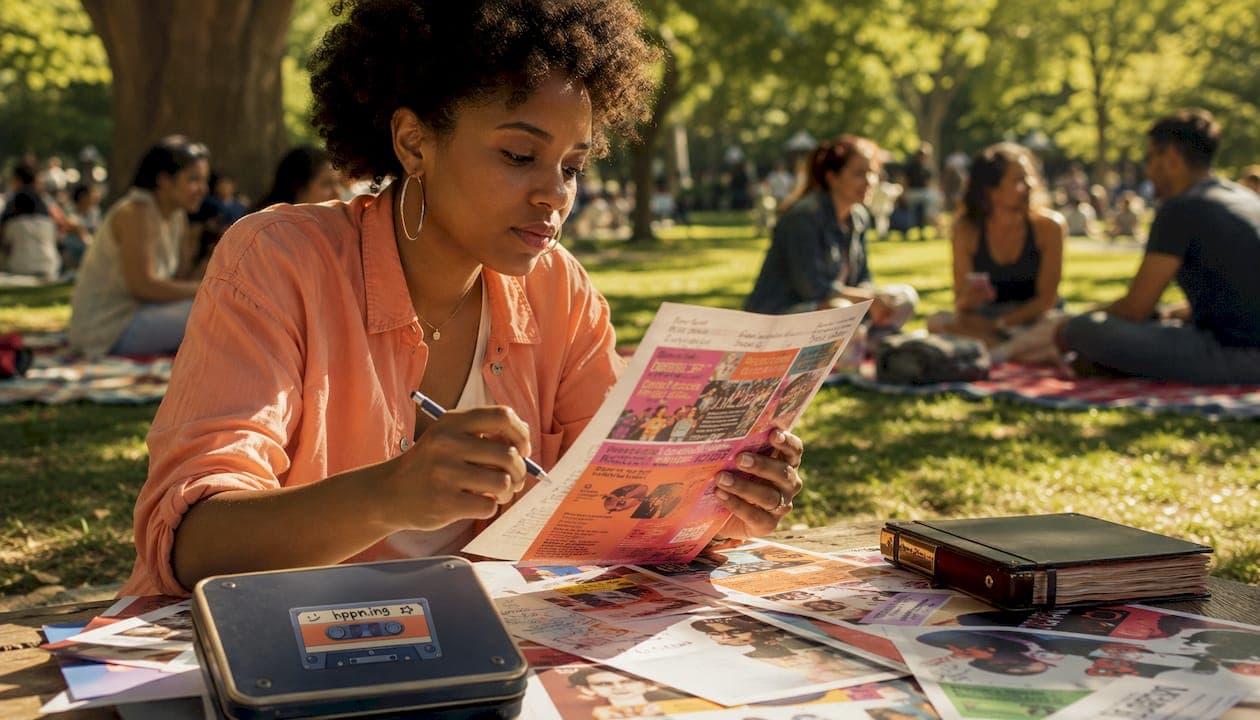
What does it mean to curate a live music watchlist?
Curating a live music watchlist means deliberately selecting, organizing, and sequencing live music events or tracks to create a purposeful experience for yourself or an audience. It goes well beyond saving a few artist names to a list. The goal is to build something that flows, surprises, and holds attention from the first act to the last.
Think of it as programming a radio station for a single night. Every choice you make, from the opener to the headliner, shapes how the audience feels and whether they stay engaged. The difference between a random list and a well-curated watchlist is the same difference between background noise and a set that people talk about the next morning.
The core elements that make or break any live music watchlist:
- Artist discovery: Actively sourcing performers across genres, popularity tiers, and local scenes rather than defaulting to familiar names
- Event timing: Matching artist energy and style to the time slot, venue size, and crowd expectations
- Playlist flow: Sequencing sets so energy builds, dips, and peaks at the right moments
- Audience preferences: Knowing who is in the room and what they came for, then calibrating accordingly
- Licensing and platform rules: Staying within the content and rights boundaries of whatever platform hosts or streams the event
Why music curation shapes the entire live experience
Good curation does more than fill time between sets. It controls the emotional arc of an event and determines whether the audience feels connected or restless. A poorly sequenced lineup can kill momentum even when every individual artist is strong. The right order, by contrast, makes a mid-tier act feel like a revelation.
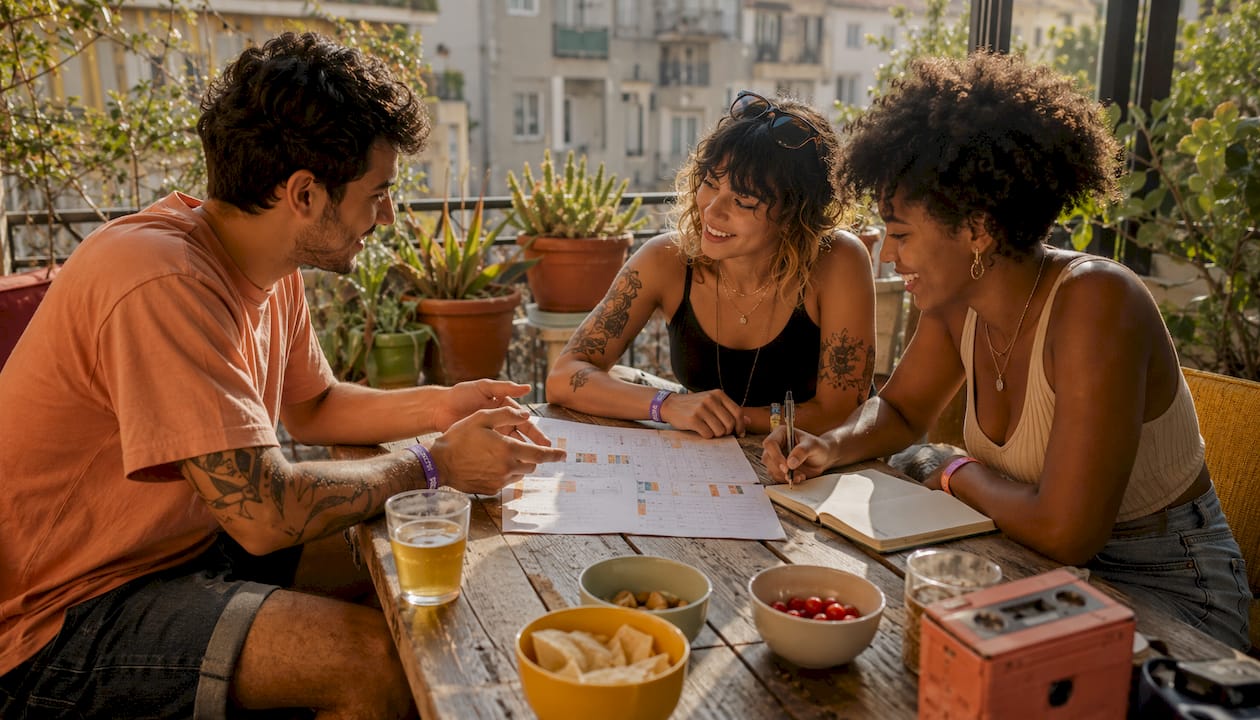
For emerging and local artists, curation is often the difference between being heard and being invisible. Platforms and events that deliberately program newer talent alongside established acts give those artists a real shot at new audiences. Hppn was built around exactly this idea: surface the performers who deserve attention but haven't yet broken through the noise of mainstream recommendation engines.
The benefits of intentional curation extend to the event itself:
- Audiences stay longer and engage more deeply when the energy arc is managed well
- Emerging artists gain exposure they rarely get from algorithm-driven playlists alone
- Event organizers build a reputation for discovery, which drives repeat attendance
- Fans develop trust in a curator's taste, turning a one-time attendee into a loyal follower
What skills does a music curator actually need?
Professional live music curators must balance musical knowledge, audience understanding, and technical sequencing skills simultaneously. That combination is harder than it sounds. You can love music deeply and still build a watchlist that loses the crowd by the third act.
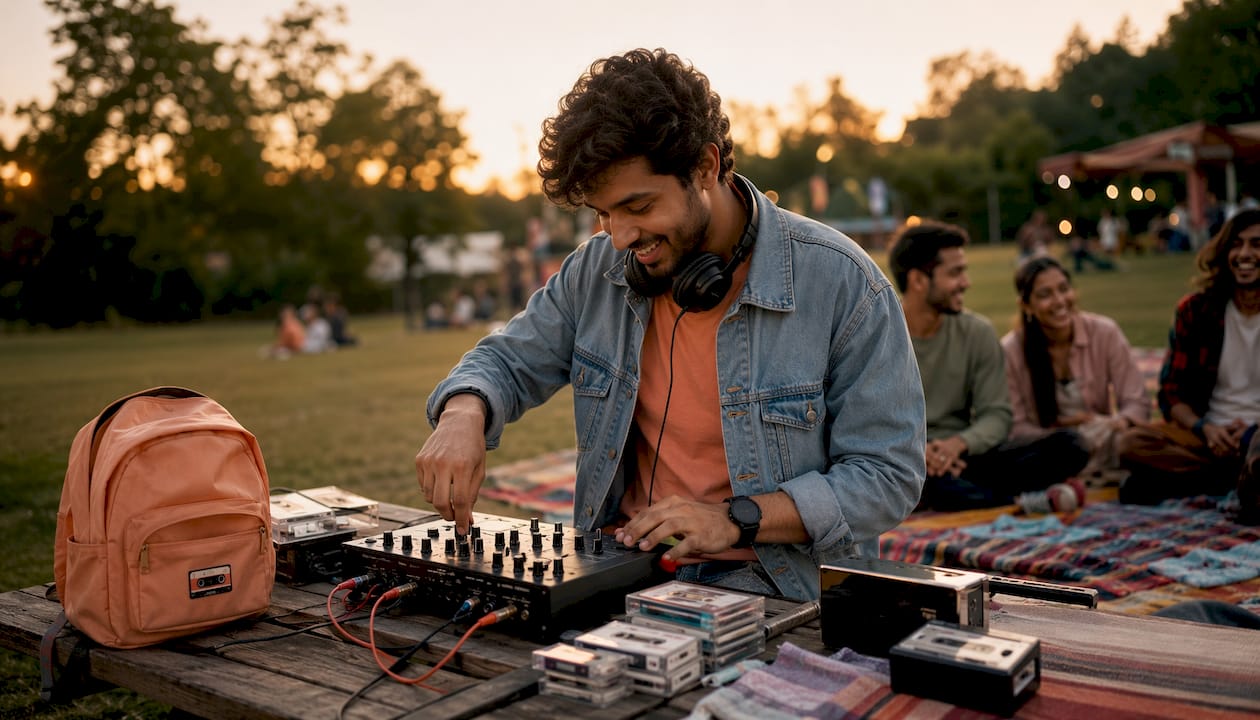
The research side of curation is often underestimated. A curator needs to know not just what an artist sounds like on a recording, but how they perform live, how they handle a crowd, and whether their energy fits the slot they're being placed in. A studio-polished act that struggles to connect in person is a liability in a live lineup.
Key competencies every music curator should develop:
- Musical knowledge: Understanding genre, tempo, key, and arrangement well enough to predict how tracks and sets will interact
- Audience insight: Reading demographic data, past event feedback, and real-time crowd signals to adjust selections
- Sequencing technique: Knowing when to build energy, when to give the audience a breather, and how to time a peak moment
- Artist research: Going beyond streaming numbers to assess live performance quality, stage presence, and stylistic fit
- Adaptability: Pivoting quickly when a set runs long, an artist cancels, or the crowd's mood shifts unexpectedly
- Platform literacy: Understanding how different streaming and event platforms handle licensing, content flags, and playlist sharing
7 practical steps to build a compelling live music watchlist
1. Define your theme and mood before you pick a single artist
Start with the emotional experience you want to create, not with a list of names. A rooftop summer event calls for something entirely different from a late-night underground showcase. Write down three words that describe the feeling you're after, then use those as a filter for every decision that follows.
2. Source talent with freshness in mind
Resist the pull toward the obvious. The most memorable watchlists mix one or two anchor acts that give the audience confidence with several performers they haven't encountered yet. Use local scene resources, community music guides, and emerging artist charts to find performers who fit your theme but aren't already on everyone's radar.
3. Master the energy arc
Sequencing is where most amateur watchlists fall apart. Open with something that grabs attention without peaking too early. Build through the middle with acts that deepen the mood. Save your strongest, most crowd-pleasing moment for roughly two-thirds of the way through, then bring the energy down intentionally for a memorable close. A flat lineup with no arc feels like a playlist on shuffle.
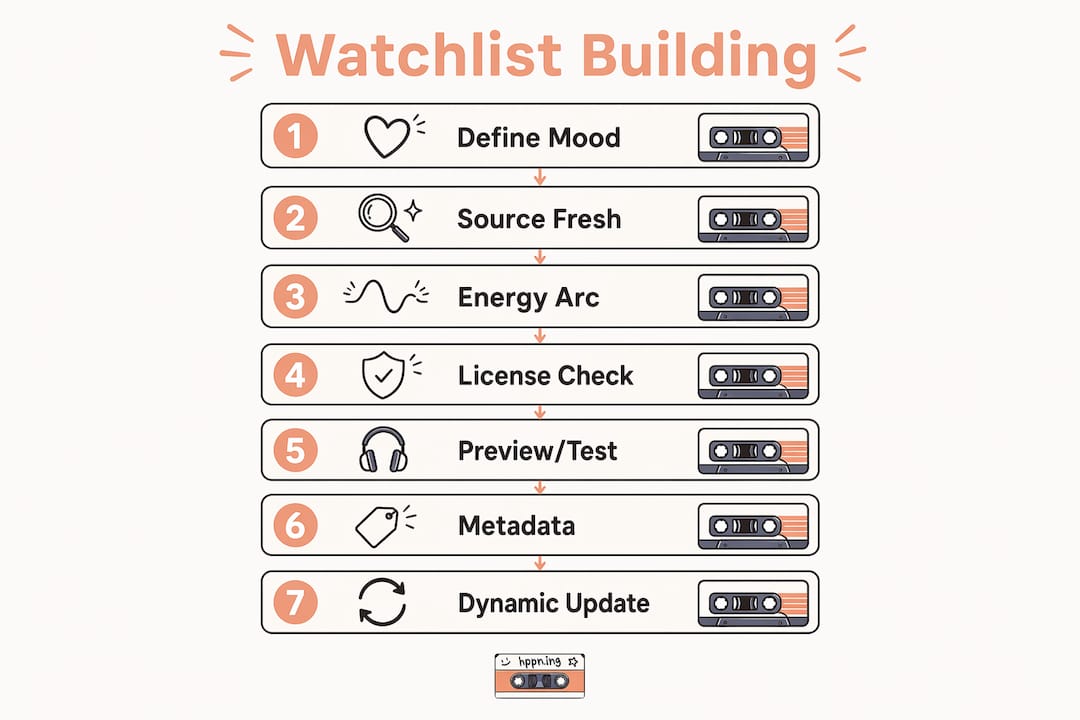
4. Respect platform and licensing constraints
Licensing compliance is non-negotiable for any live event that streams or shares content publicly. Explicit content flags, rights ownership, and broadcaster rules can interrupt a live set at the worst possible moment. Build your watchlist with these constraints in mind from the start, not as an afterthought. Know which tracks require clearance and which artists own their masters outright.
5. Preview and test before the event
Listen to the transitions between acts, not just the acts themselves. A jarring shift in tempo or tone between two otherwise strong performers can break the flow entirely. Use 30-second previews, live performance clips, and audience feedback from previous events to stress-test your sequencing before the night arrives.
6. Build shareable metadata and visuals
A watchlist that lives only in your head helps no one. Document it with artist names, set times, genre tags, and any notes on mood or energy level. If you're sharing it digitally, add cover art or a short description that tells the audience what to expect. This is especially useful for live concert streaming contexts where viewers are deciding in real time whether to tune in.
7. Update dynamically during the event
A watchlist is a living document, not a locked contract. Artists run over time, crowds respond unexpectedly, and spontaneous moments happen. Build in flex points where you can swap an act, extend a set, or insert something unplanned without derailing the whole program. The best curators treat the live event as the final edit.
How 2026 technology and AI tools are changing live music curation
The gap between what a solo curator can accomplish manually and what AI-assisted tools can do in seconds has widened considerably. Automation now reduces playlist creation from hours to seconds by syncing artist lineups directly with streaming platforms like Spotify and YouTube Music. That's not a small efficiency gain. It fundamentally changes how much time a curator can spend on the creative decisions that actually matter.
AI tools built specifically for live setlist construction analyze up to 8 song attributes for optimal energy and audience fit, including BPM, key, vocal demand, and instrumental complexity. The result is a setlist that maintains a coherent energy arc rather than lurching between incompatible tracks. Tools like Festify.live take a different angle: they let fans create festival playlists instantly by syncing a festival's lineup with their existing Spotify library, so attendees can preview every act before the gates open.
For live streaming contexts, the gains are measurable. AI-generated real-time micro-sets increased view time by 14% and clip shares by 23% in one documented case study, by responding to audience mood signals and chat sentiment rather than running a static playlist.
Current tools worth knowing:
- Festify.live: Generates festival-focused playlists by syncing lineups with Spotify libraries, ideal for pre-event discovery
- Concert Scout AI: Tracks upcoming live shows and matches them to listener profiles for personalized concert watchlists
- YouTube Music playlist generators: Pull tonight's setlists and build a listening queue automatically via tools like SetlistMaker
- AI setlist builders: Platforms like SetList Creator use Claude AI to analyze venue energy, audience demographics, and band capabilities for professional performers
Pro Tip: Never hand the full job to an algorithm. AI tools are strongest at handling the mechanical work: BPM matching, transition quality, licensing flags. The creative judgment about which emerging artist deserves a prime slot, or when to break the energy arc intentionally for dramatic effect, still belongs to a human curator. Use AI to handle the scaffolding, then build on top of it.
How to find and include emerging artists in your watchlist
The most distinctive watchlists are built around discovery, not familiarity. Anyone can pull together a list of well-known acts. The curators who build real followings are the ones who consistently surface artists their audience hasn't heard yet but immediately connects with.
Hppn's live music charts are designed specifically for this kind of discovery, surfacing trending and emerging local performers who rarely appear in mainstream recommendation feeds. Platforms that prioritize underground and local scenes give curators a genuine edge over those relying solely on major-label streaming data. Pairing that with physical record store culture, like browsing new arrivals at an independent shop such as Noise Pollution Records in Perth, often surfaces artists who haven't yet made it onto any digital platform's radar.
Tactics for building a discovery-forward watchlist:
- Monitor local scene charts weekly: Trending artists in your city often reflect what's about to break nationally
- Collect user-generated recommendations: Fans who attend underground shows regularly know the next wave before any algorithm does
- Set a ratio and stick to it: A useful starting point is two-thirds familiar acts to one-third new discoveries, adjusted based on how adventurous your audience tends to be
- Preview live performance footage: Streaming numbers don't predict stage presence. Watch actual live clips before committing a slot
- Use music alert tools: Automated notifications for new releases and tour announcements from artists on your watchlist keep your list current without constant manual checking
How to adapt your watchlist when the crowd tells you something different
Real-time adaptation separates a good curator from a great one. The plan you built before the event is a hypothesis. The crowd's response is the data that either confirms or challenges it.
Watch for concrete signals: energy on the dance floor, chat activity during a stream, applause volume between sets, and how quickly people return from breaks. A crowd that's quieter than expected after a high-energy act may need a slower, more atmospheric set to reset before the next peak. Adapting music pacing based on audience mood retains viewers and raises the perceived quality of the entire event.
Steps for responsive watchlist management during a live event:
- Assign someone to monitor crowd signals: Don't try to curate and read the room simultaneously if you can avoid it
- Pre-build two or three alternative sequences: Have a "crowd is cold" path and a "crowd is hot" path ready before the event starts
- Use real-time setlist tools: Several platforms allow live track swaps and set reordering without interrupting playback
- Document what worked: After every event, note which transitions landed and which fell flat. That record becomes your most valuable curation asset over time
- Build in recovery slots: A flexible 15-minute slot somewhere in the middle of the program gives you room to course-correct without disrupting the overall arc
The curators who build the most loyal audiences treat every event as a feedback loop. The watchlist going in is always a draft. What comes out the other side, shaped by a real crowd on a real night, is the version worth keeping.
Key Takeaways
Curating a live music watchlist requires deliberate sequencing, real-time adaptability, and the right mix of human judgment and AI tools to build an experience that holds an audience from start to finish.
| Point | Details |
|---|---|
| Start with mood, not names | Define the emotional arc before selecting any artists to keep every choice aligned with the event's purpose. |
| AI handles the mechanics | Tools like Festify.live and AI setlist builders automate BPM matching and transitions, freeing curators for creative decisions. |
| Emerging artists drive discovery | Platforms like Hppn surface local and underground performers that mainstream algorithms consistently overlook. |
| Adaptation is part of the job | Real-time crowd signals should reshape the watchlist during the event, not just before it. |
| AI-generated micro-sets boost engagement | Real-time AI playlists increased view time by 14% and clip shares by 23% in one documented live streaming case. |
Discover your next live music obsession with Hppn
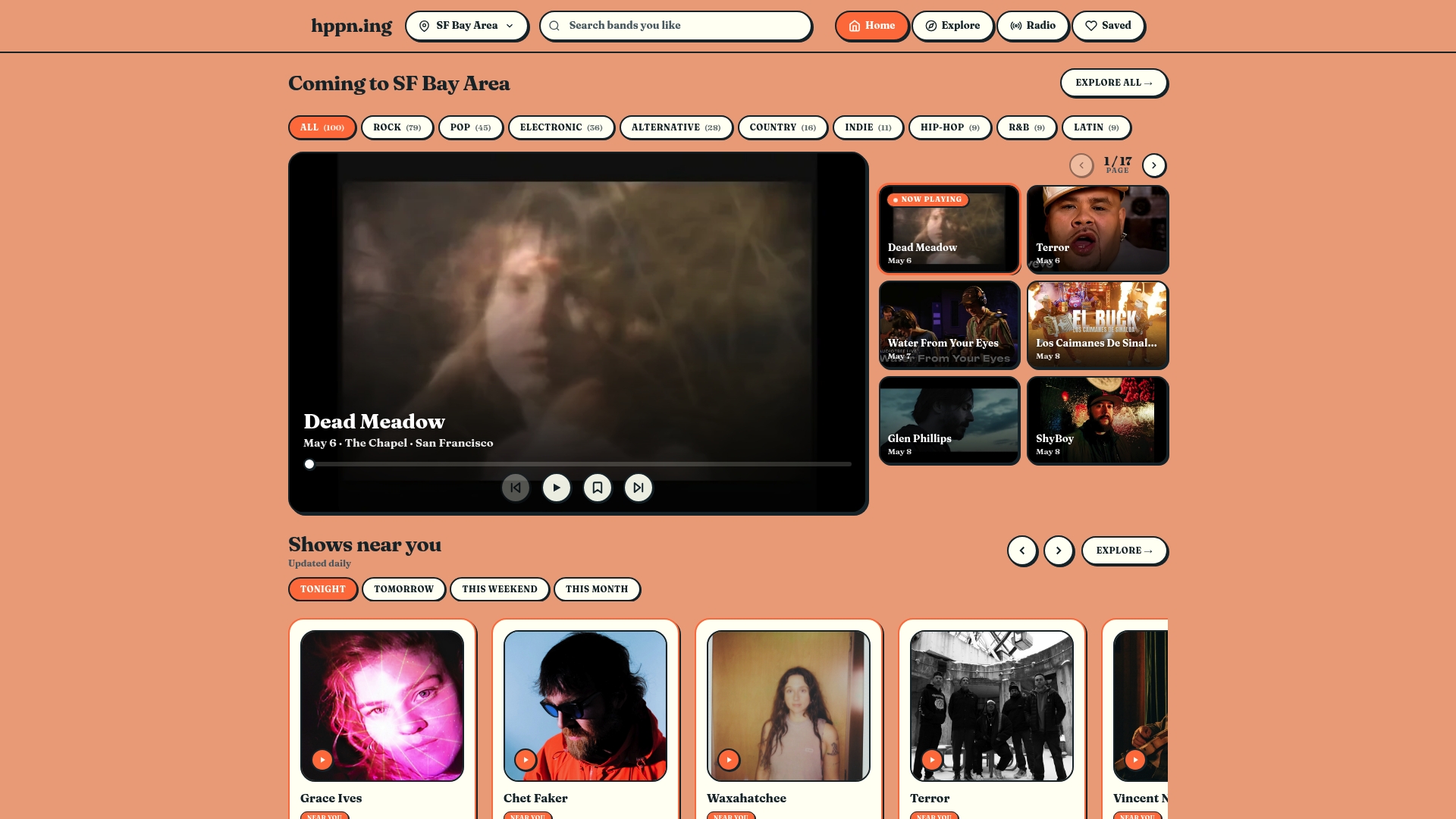
Hppn is built for exactly the kind of discovery this guide is about. Browse live music near you, preview artists through video and audio before committing to a show, and track the local performers who are building something worth watching. The platform surfaces emerging and underground acts that mainstream apps routinely miss, making it the most direct tool for anyone serious about building a personalized concert watchlist grounded in real discovery. Search artists and preview music to start building your watchlist today.