
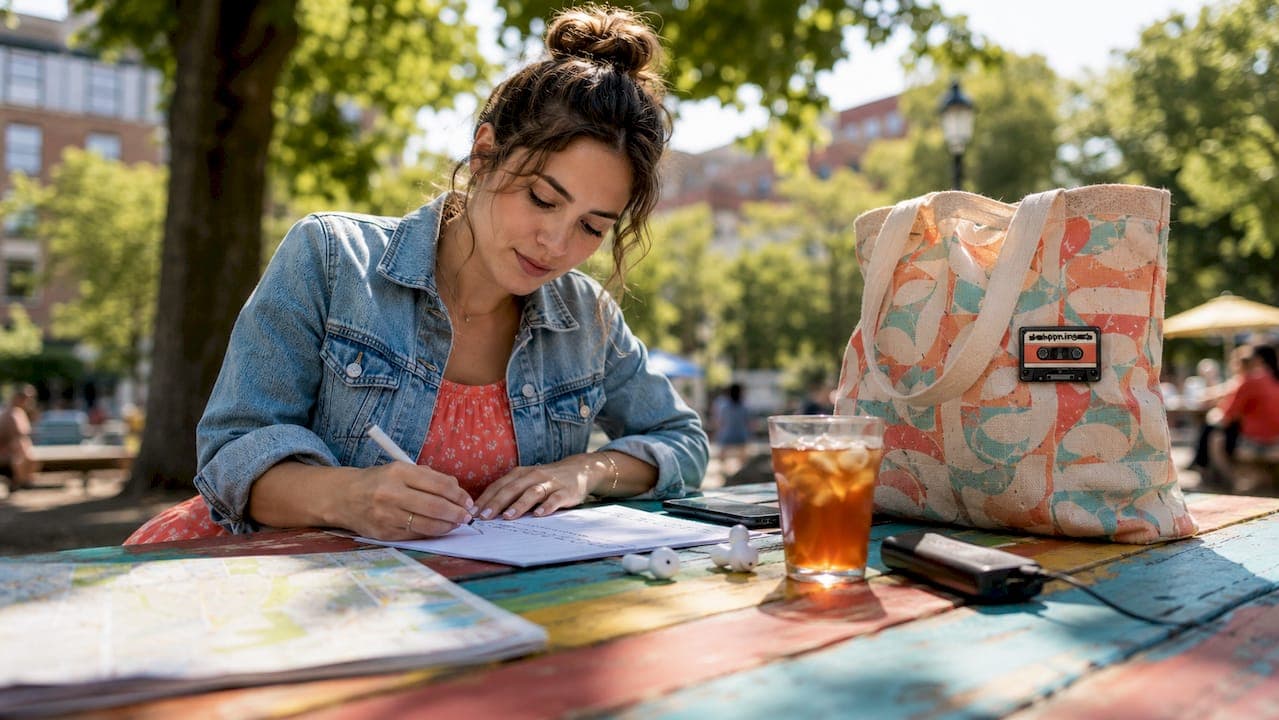
A live music experience checklist is a structured preparation plan that covers every item, decision, and habit you need for a great concert. The right checklist separates a frustrating night from a memorable one. For 2026, the stakes are higher: venues enforce stricter bag policies, power bank limits are real, and concert ticket access has moved almost entirely online. This guide covers gear, timing, apparel, etiquette, and budgeting so you walk in prepared and walk out with a story worth telling.
1. What is on the live music experience checklist 2026?
The non-negotiables for any concert start with your ticket, your ID, and your payment options. Save an offline screenshot of your ticket confirmation before you leave home. Cell service near large venues is notoriously unreliable, and a dead phone at the gate is a real problem.
Here is what to pack for every show:
- Ticket confirmation (digital with offline backup, or printed)
- Valid photo ID (government-issued, required at most venues)
- Payment options (cash and card; merch tables often prefer cash for faster transactions)
- Charged phone with low-power mode enabled before entry
- Portable charger with a capacity of 10,000mAh or less (larger packs get confiscated at entry)
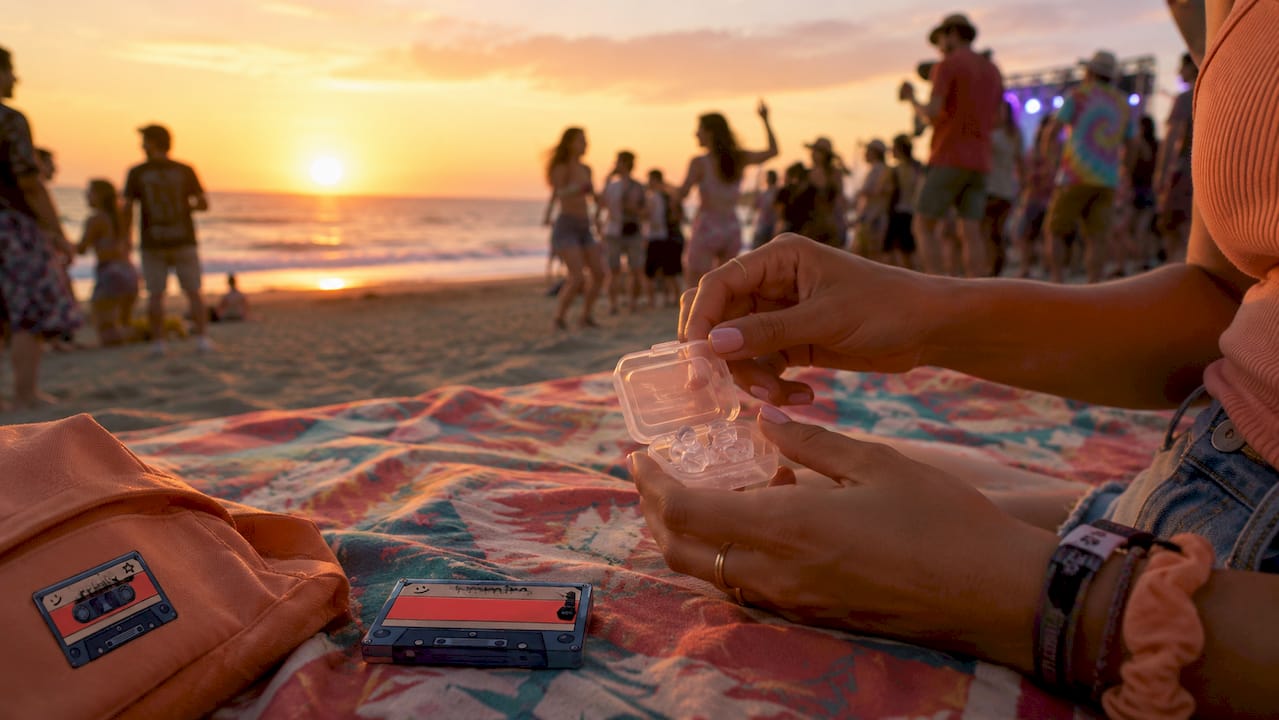
- High-fidelity earplugs (concert noise regularly exceeds 100 dB, which causes permanent hearing damage over time)
- Venue-compliant bag (most venues enforce a maximum size of 12"x6"x12"; check the bag policy before you pack)
- Comfort extras: hair ties, mints, a compact rain poncho for outdoor shows
High-fidelity earplugs deserve special attention. Unlike foam plugs that muffle sound, brands like Eargasm and Loop make filters that reduce volume while keeping the music clear. You hear the show fully. You just protect your ears doing it.
Pro Tip: Enable low-power mode on your phone before you enter the venue. It extends battery life significantly, which matters most when you are three hours into a show and need to call your ride.
2. How should you plan your arrival and logistics?
Arrival timing is one of the most underrated parts of concert preparation. Get it wrong and you miss the opener, lose your spot, or spend the first hour in a merch line.
Follow this sequence for a smooth arrival:
- Check the event type first. General admission (GA) shows reward early arrivals. Arrive 15–30 minutes before doors open to secure a strong floor position or beat the merch rush.
- Reserved seating is different. If your ticket has an assigned seat, arriving closer to showtime is fine. You avoid the crowd buildup and still get to your seat on time.
- Review venue policies in advance. Bag size limits, re-entry rules, and prohibited items vary by venue. Read the FAQ on the venue's website the day before.
- Plan your parking or transit route. Rideshare surge pricing near venues can be steep. Identify a drop-off point two blocks away and use public transit when available.
- Set a meeting point with your group. Cell service fails in dense crowds. Pick a physical landmark outside the venue before you go in.
- Know the support act schedule. Understanding how setlists are planned helps you time bathroom breaks and concession runs without missing key moments.
Pro Tip: Build a contingency budget of 15–20% of your total event spend before you leave home. Unexpected costs like parking overages, last-minute gear, or a cab home appear at almost every major event.
3. What to wear to a live music event
Clothing at a concert is a functional decision as much as a style one. You will stand for hours, move through crowds, and possibly deal with weather changes. What you wear directly affects how much you enjoy the show.
The core rules for concert apparel:
- Wear shoes you can stand in for four hours. Sneakers like Nike Air Max or New Balance 990s are reliable. Avoid new shoes you have not broken in.
- Layer for temperature swings. Indoor venues get hot fast. Outdoor festivals cool down sharply after sunset. A lightweight zip-up or flannel tied around your waist solves both problems.
- Choose breathable fabrics. Cotton and linen move air. Synthetic fabrics trap heat in dense crowds.
- Bring a hat and sunscreen for outdoor events. Sun exposure during afternoon festival sets adds up quickly. A wide-brim hat protects your face and neck without requiring reapplication.
- Pack a compact rain poncho. A folded emergency poncho fits in any bag and weighs almost nothing. It is the single most useful item at an outdoor show when weather turns.
- Skip the oversized bag. A small crossbody or belt bag keeps your hands free and complies with most venue policies. Large backpacks slow entry and frustrate the people behind you.
Fashion matters at concerts, but function wins every time. The best-dressed person at a show is the one who is still comfortable and energized at the encore.
4. What are the best etiquette practices at live shows?
Concert etiquette is the difference between a crowd that feels electric and one that feels tense. The rules are unwritten but widely understood.
Continuous filming creates both social and physical barriers. It blocks sightlines for the people behind you and pulls you out of the experience. Capture a short clip of your favorite song and put the phone away. The most memorable live music moments come from being present, not from footage you will rarely watch again.
"Reading the room is the foundation of good concert behavior. Sing loud during the anthems. Go quiet during the intimate moments. The artist and the crowd both feel the difference." — Concert Going Guide
Singing along is encouraged, but manage your volume based on the moment. Belting over a quiet acoustic verse frustrates everyone nearby. During a high-energy chorus, join in fully. That contrast is what makes live music feel alive.
Give the people around you physical space. Pushing forward in a packed GA floor is expected near the barrier. Doing it in a half-empty room is just rude. Be aware of your footprint and adjust.
5. How to budget and prepare financially for festivals in 2026
Multi-day festivals and destination concerts require a different financial approach than a single local show. The costs stack up fast and the surprises are expensive.
Industry experts recommend a 15–20% contingency fund on top of your planned event budget. That buffer covers a broken tent pole, an overpriced meal inside the festival grounds, or an unexpected Uber when transit shuts down.
| Item | Essential | Optional |
|---|---|---|
| Tickets (with digital backup) | Yes | No |
| High-fidelity earplugs | Yes | No |
| Portable charger (10,000mAh max) | Yes | No |
| Rain poncho | Yes | No |
| Reusable water bottle | Yes | No |
| Camping gear (multi-day) | Yes (if camping) | No |
| Merch budget | No | Yes |
| Portable phone fan | No | Yes |
| Festival-branded accessories | No | Yes |
For multi-day events, pack your own food for at least one meal per day. Festival food is expensive and lines are long. A reusable water bottle with a filter saves money and reduces waste. Bring both cash and card since merch tables often move faster with cash while drinks and food vendors prefer card.
Pro Tip: Check whether the festival has a cashless wristband system before you arrive. Loading funds onto the wristband in advance often comes with a small bonus credit and avoids ATM lines inside the grounds.
For tips on finding affordable live music events near you before committing to a festival budget, research local options first. Smaller shows often deliver a stronger experience at a fraction of the cost.
Key takeaways
A complete concert preparation list, built around venue policies, smart gear choices, and financial planning, is the single most reliable way to protect your live music experience in 2026.
| Point | Details |
|---|---|
| Ticket and ID are non-negotiable | Save an offline ticket screenshot and carry a valid photo ID to every show. |
| Power banks have a size limit | Bring a charger at 10,000mAh or less to avoid confiscation at venue entry. |
| Arrive early for GA, later for reserved | General admission rewards early arrivals; reserved seats allow a more relaxed timeline. |
| Etiquette shapes the crowd energy | Limit filming, read the room when singing, and give others physical space. |
| Budget a 15–20% contingency fund | Unexpected costs appear at nearly every festival or destination concert. |
What I have learned from years of live shows
The checklist obsession is real among serious concert-goers, and I understand why. But the most common mistake I see is over-preparing the bag and under-preparing the mindset.
People show up with the perfect gear and spend the whole night with their phone in the air. They leave with 40 videos they will never edit and a vague memory of the set. The earplug brands, the bag size, the portable charger capacity — those details matter. But they are in service of one goal: being fully present when the lights go down.
The 2026 live music scene is genuinely exciting. Smaller venues are booking artists you have never heard of who will headline arenas in two years. The discovery side of concert-going is as strong as it has been in a decade. Platforms like Hppn are making it easier to find those artists before they blow up, which changes how you experience a show. Seeing someone in a 200-person room before they are famous is a different category of memory.
My honest advice: use the checklist to handle the logistics so your brain is free to absorb the music. Prepare thoroughly, then let go of the plan once you walk in.
— Ari
Hppn makes finding your next show simple
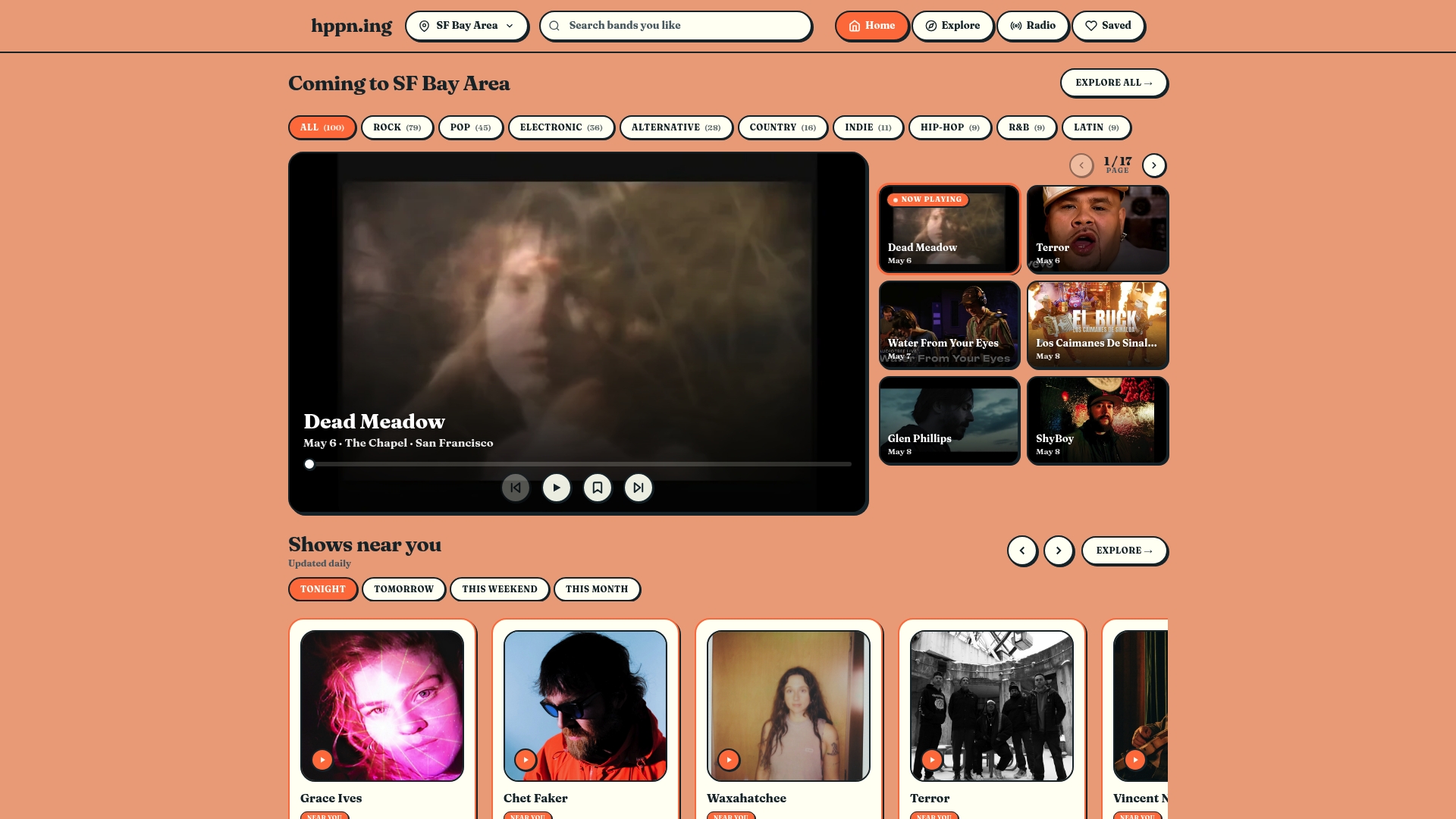
The hardest part of live music in 2026 is not the gear or the budget. It is knowing what is worth attending. Hppn solves that problem directly. The platform lets you preview local and touring artists through video and audio before you commit to a ticket, so you walk in already familiar with the set. You can browse upcoming shows by location, track emerging performers in your city, and connect with other fans in real time. Hppn focuses specifically on smaller and independent artists who rarely surface on mainstream platforms. That means you find the shows worth building your checklist for.
FAQ
What should I always bring to a live concert?
Bring your ticket with an offline backup, a valid photo ID, both cash and card, a charged phone, and a compliant bag under 12"x6"x12". High-fidelity earplugs are strongly recommended at any show where sound exceeds 100 dB.
How early should I arrive at a general admission show?
Arrive 15–30 minutes before doors open for general admission events to secure a good floor position or access the merch table before lines form.
Are large power banks allowed at concerts?
Most venues cap portable chargers at 10,000mAh. Larger battery packs are regularly confiscated at security, so check the venue's policy before you pack.
What is the right way to film at a concert?
Capture a short clip of a favorite moment, then put the phone away. Continuous filming blocks sightlines for others and reduces your own connection to the performance.
How much extra budget should I set aside for a music festival?
Set aside 15–20% of your total planned spend as a contingency fund. Unexpected transport costs, gear needs, and overpriced food inside festival grounds are common at multi-day events.