

Live music shouldn't be a luxury reserved for people with deep pockets. If you've ever winced at a $90 ticket for a show that's half-filled with distracted phone-scrollers, you already know the frustration. The good news is that incredible, soul-shaking concerts happen every week at low or no cost, featuring artists who are hungry, talented, and right in your city. This guide gives you a concrete, step-by-step system for finding those shows, using the right tools, avoiding common traps, and making every dollar you spend on live music go further.
Table of Contents
- What you need to start saving: Tools, apps, and prep list
- Step-by-step: How to find affordable live music events near you
- Troubleshooting: Common mistakes when searching for deals
- Make the most of it: Verifying events and maximizing your live music value
- Why affordable live music is everyone's stage—and what most guides miss
- Ready to find your next night out? Try these tools from hppn.ing
- Frequently asked questions
Key Takeaways
| Point | Details |
|---|---|
| Set up alerts | Concert apps and notifications help you catch shows before they sell out or prices rise. |
| Mix discovery methods | Combine apps, local calendars, and open mics to spot more affordable live music options. |
| Act early for deals | Early-bird, presale, and weekday tickets are your best bets for saving money. |
| Verify event details | Double-check event, ticket, and seller info to avoid scams or surprises. |
What you need to start saving: Tools, apps, and prep list
Before you can score cheap tickets, you need the right infrastructure in place. Think of it like setting up a filter system. Once it's running, deals and alerts flow to you automatically.
Essential tools to have ready:
- A concert discovery app (two of the most widely used are covered below)
- Email notifications turned on for your favorite venues
- A list of 10 to 20 local artists and venues you follow
- Bookmarks for local event calendars and community boards
- A free account on at least one ticket aggregator or resale platform
The Songkick app helps you find nearby concert alerts and stay updated on tour dates, which is especially useful when you're trying to catch early-bird pricing windows before they close. Similarly, Bandsintown lets you follow artists directly or sync your existing music library to receive automatic gig alerts near you, so you never lose track of who's playing when.
Beyond apps, local community boards (physical ones at coffee shops and record stores, digital ones on neighborhood subreddits) are wildly underused. They surface open mic nights, pop-up acoustic sets, and venue-hosted listening parties that never make it onto major ticketing platforms.
Pro Tip: Sign up for your favorite venue's email list. Venues often send presale codes and last-minute discount offers exclusively to subscribers, sometimes 48 hours before general tickets drop.
You should also get comfortable using platforms that let you search and preview artists before committing to a show. Discovering whether you actually like a performer's sound before you buy a ticket saves money and eliminates buyer's remorse. Pair that habit with a workflow for finding concerts tonight when you want a last-minute option without the planning overhead.
Here's a quick readiness checklist to confirm you're set up:
| Tool | What it does | Cost |
|---|---|---|
| Concert alert apps | Notifies you of nearby shows | Free |
| Venue email lists | Delivers presale codes and deals | Free |
| Local event calendars | Surfaces community and grassroots events | Free |
| Ticket aggregators | Compares prices across sellers | Free to browse |
| Artist preview platforms | Lets you hear before you commit | Free |
For fans in smaller markets or unusual cities, sites like Reykjavík live music options show how even niche local scenes maintain active, affordable music calendars. The same principle applies wherever you live.
With your toolkit ready, it's time to get hands-on about event discovery.
Step-by-step: How to find affordable live music events near you
Now let's break down the actual steps so you can start finding your next show.
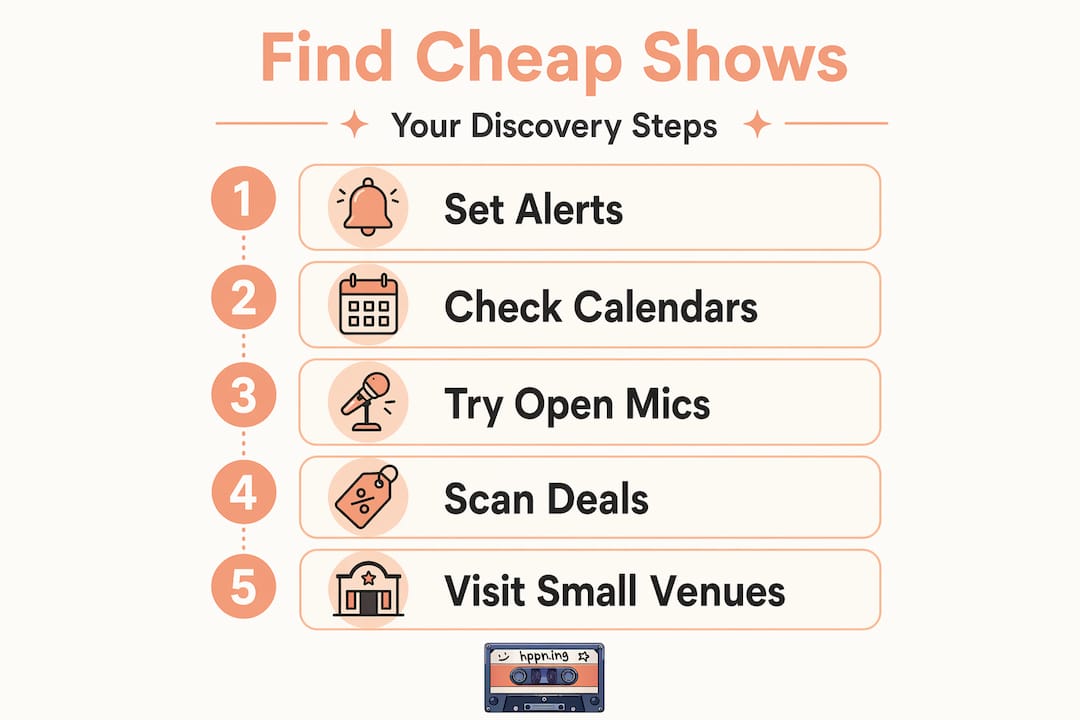
Step 1: Set up follows and alerts on your apps. Open your concert discovery apps and follow every artist you enjoy, even ones you haven't seen live yet. Enable push notifications. This single step alone means you'll receive instant alerts when an artist announces a show within driving distance, giving you maximum time to grab early-bird tickets before prices rise.

Step 2: Check local event calendars and community boards. Most cities have a dedicated arts or events calendar run by the local newspaper, a neighborhood arts council, or an independent music blog. These surfaces smaller venues, house shows, listening parties, and pop-up gigs. Spend ten minutes each week scanning them. A strong resource for learning using local concert calendars effectively can shorten your discovery time significantly.
Step 3: Review open mic and listen-in shows. Open mic nights are one of the most underrated live music formats. Entry is often free or just a two-drink minimum, and the talent level can genuinely surprise you. This is also where you catch tomorrow's headliners before ticket prices reflect their momentum. Follow finding trending local acts to identify which performers at your local open mic are already gaining traction.
Step 4: Scan aggregator and resale platforms for last-minute deals. Resale prices often drop significantly in the 24 to 48 hours before a show, especially if the event hasn't sold out. Budget-conscious concertgoers can reduce costs substantially by combining early-bird tickets with presales, weekday attendance, and student or military discounts when eligible. Additionally, reputable aggregators let you filter and sort by city, genre, and price, surfacing last-minute options that are often priced to move.
Here's a comparison of discovery methods to help you decide where to focus your energy:
| Method | Typical cost | Ease of use | Talent exposure | Speed to discover |
|---|---|---|---|---|
| Concert alert apps | Free | High | Mainstream and emerging | Instant |
| Local event calendars | Free | Medium | Mostly local/grassroots | Weekly |
| Open mic nights | Free to $10 | High | Raw and emerging talent | Same day |
| Resale platforms | Varies | Medium | All levels | Real-time |
Pro Tip: Prioritize weekday shows and early-bird windows. A Tuesday night show at a 200-capacity venue often costs 30 to 50 percent less than a Friday night equivalent at the same venue, and the crowd is usually more engaged because they're there for the music, not the social scene.
Troubleshooting: Common mistakes when searching for deals
Even with a solid plan, a few missteps can limit your savings. Here's what to watch for.
Common mistakes that cost fans money and opportunities:
- Not enabling notifications properly. Many people download concert apps but never turn on push alerts. This means you find out about a show after it sells out or after early-bird pricing has expired.
- Relying on only one discovery method. If you only use one app, you'll miss the grassroots shows that live on community boards or venue social pages. Diversity in your discovery approach directly translates to more and better options.
- Missing presale windows. This is one of the most expensive mistakes a concertgoer makes. Presales can unlock the lowest available prices, but they're time-bound and sometimes limited in quantity. Waiting for the general sale often means paying 20 to 40 percent more for the same seat.
- Ignoring weekday and open mic options. Fans who only think about Friday and Saturday shows automatically cut off a huge portion of affordable concerts. Midweek shows are a goldmine for value.
- Not checking local artist communities. Emerging artists often announce guerrilla gigs, listening parties, and last-minute acoustic sets through their social channels or local music communities. Following those channels through platforms like live music community notes puts you inside that information loop.
"Presales are time-limited. Missing this window may mean shifting to deal or resale platforms to find bargains, where prices are often higher and availability is less predictable."
Getting involved in your local music community isn't just about saving money. Reading about ways to bring live music to your area shows how engaged fans can actively influence what shows come to their city, which increases the quality and quantity of affordable options over time.
Make the most of it: Verifying events and maximizing your live music value
Now that you know how to avoid mistakes, ensure every event you attend is worth your time and money.
How to verify an event before you buy:
- Cross-check the event on at least two platforms (the venue's website and a ticket app) to confirm it hasn't been canceled or rescheduled.
- Verify the ticket seller's legitimacy by checking for clear refund policies, secure payment processing, and verifiable contact information.
- Look up the artist and venue on social media to see recent activity, which confirms the show is still live.
- Check for age restrictions, parking situations, or neighborhood-specific issues that could affect your total cost and experience.
Leveraging artist previews is one of the smartest habits you can build. Before buying any ticket, listen to at least three songs from the headliner and the opening act. This takes five minutes and dramatically increases the chance you'll love the show. You can also use trending artist charts to see which local performers are gaining momentum, helping you prioritize which shows deserve your limited budget.
Joining community forums and local music groups gives you access to first-hand reports. Other fans will often post real-time updates like "sound check was amazing" or "venue is still accepting walk-ins" right before doors open, information you simply can't get from a ticket platform.
Open mic formats remain one of the most reliable ways to experience free or low-cost live music while discovering genuine emerging talent. Many famous artists were seen at open mics years before their first record deal. Attending these regularly is essentially free access to the early chapters of future headliners' stories.
Pro Tip: Contact local festivals directly to ask about volunteer opportunities. Volunteering even a four-hour shift typically earns you full festival access, saving $50 to $200 while still experiencing every stage and act you want to see.
Why affordable live music is everyone's stage—and what most guides miss
Most "save money on concerts" guides treat the entire experience as a logistics problem. Get the app. Set the alert. Buy early. Done. That framing misses something important.
The real value of affordable live music isn't just financial. It's relational and cultural. When you attend a small show at a 100-capacity venue, you're not just a ticket number. You're part of the room. You might end up talking to the artist after the set. You might become a regular that the venue owner recognizes and offers guest list spots to after six months. These relationships compound in ways that no deal-finding algorithm can replicate.
There's also a discovery quality at affordable shows that you simply cannot buy at a stadium concert. When you see a performer for the first time at a Tuesday open mic for free, and then watch them play the same city's biggest festival two years later, you feel that arc in a way that changes how you experience music entirely. You saw it before anyone else did.
The fans who show up for emerging artists early don't just save money. They help shape the scene. Artists remember the people who came out when the room was half-empty. Venues notice which fans keep showing up for their smaller bookings. Over time, that loyalty creates real currency: early access, guest list invitations, artist introductions, and a front-row seat to a music community you helped build. Read more about community impact on live music to understand how this dynamic plays out at the scene level.
The uncomfortable truth that most guides skip is this: cheap tickets are not the end goal. Connection is. The money-saving strategies in this guide are tools to help you attend more often, discover more widely, and build deeper ties to the music that moves you. Affordability is the door. What's on the other side is entirely up to you.
Ready to find your next night out? Try these tools from hppn.ing
You're now equipped to hunt deals. Here's how hppn.ing can help you take the next step.
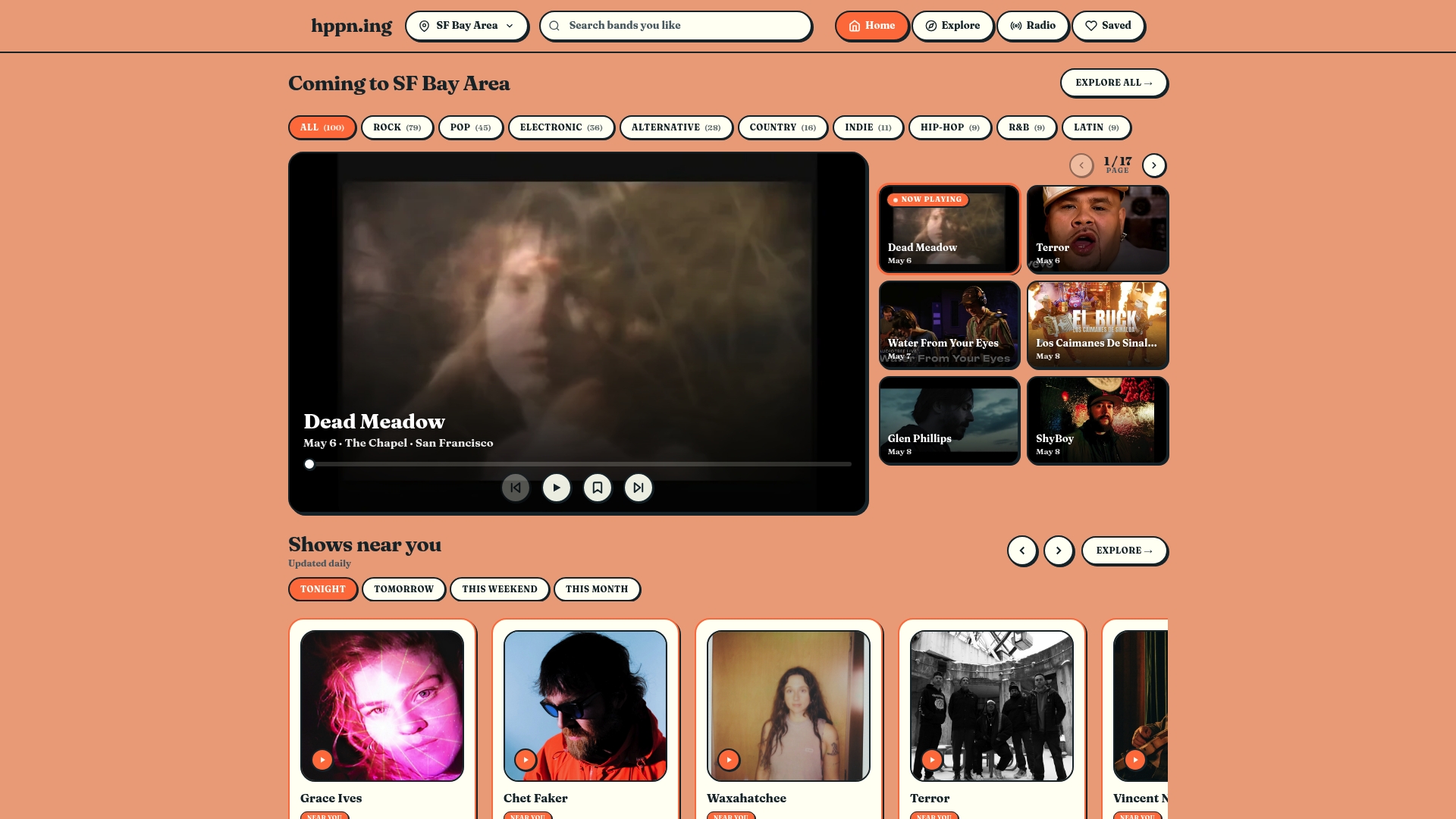
Hppn.ing is built specifically for fans who want to discover live music without the mainstream noise. You can browse concerts by location, filter for emerging and local artists, and preview performers through audio and video before spending a cent on a ticket. The platform surfaces artists and shows that traditional music apps overlook, which means you're seeing opportunities that most fans never find. Visit the community notes section to read real fan updates and insider tips from people in your city's music scene. Check the live music charts to see which local performers are trending right now and decide which shows deserve a spot on your calendar tonight.
Frequently asked questions
Are open mics always free or are there any hidden costs?
Most open mics are free or low-cost, but it's best to check with the venue directly for any sign-up fees or drink minimum requirements before you show up.
Is it safe to buy resale or discounted tickets online?
Buying from reputable ticket aggregators and resellers is generally safe, but always verify the site's refund policy and secure payment options before completing any purchase.
How do I get notified about affordable shows from my favorite artists?
Use concert apps like Bandsintown to follow artists directly and enable notifications so you receive automatic alerts for upcoming gigs near you.
Which days are cheapest for live music events?
Weekdays and Sundays typically offer the lowest ticket prices compared to Friday and Saturday shows, often at the same venues and with the same quality of performance.
Can volunteering really get me free or discounted concert tickets?
Yes, many festivals and venues offer free or discounted entry to volunteers who commit to a shift, making it one of the most underused strategies for music fans on a budget.