
An emerging underground artist is defined by intentional independence from mainstream music industry structures, prioritizing creative freedom and authentic expression over commercial metrics. Understanding what makes an emerging artist underground goes beyond low streaming numbers. It means recognizing a deliberate set of values: artistic autonomy, community loyalty, and resistance to corporate formulas. These artists operate outside major label systems, perform in intimate spaces, and build audiences through trust rather than marketing budgets. The standard industry term for this category is "independent artist," but underground status carries a sharper cultural meaning that independence alone does not fully capture.
How do emerging underground artists differ from mainstream artists?
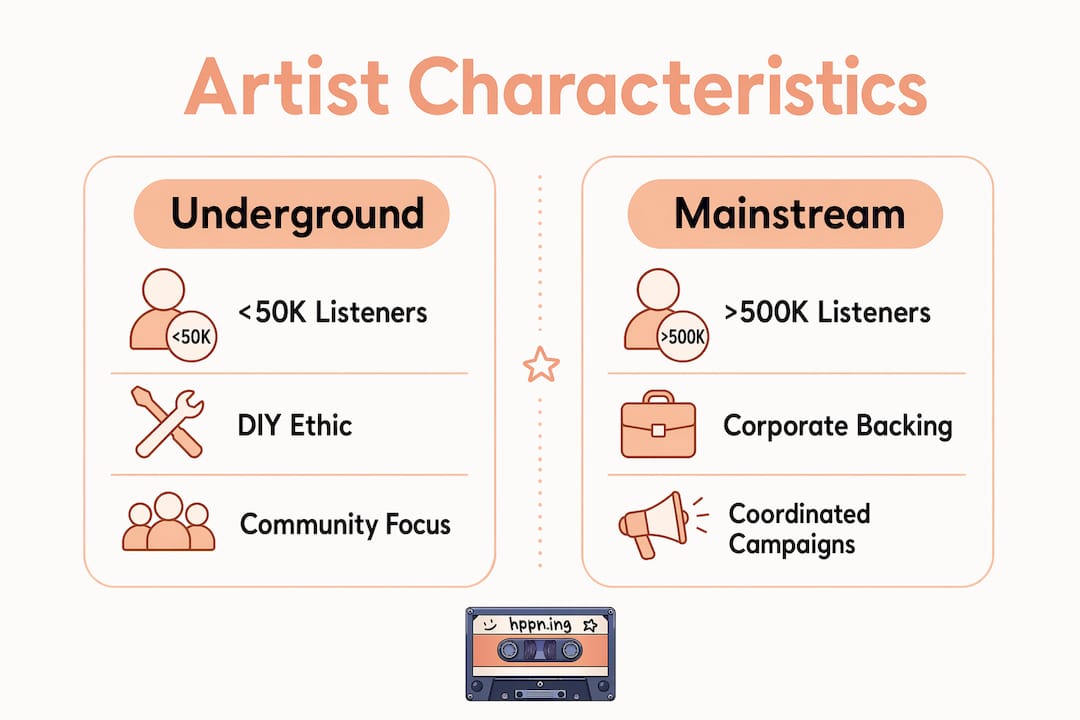
The core difference between underground and mainstream artists is intent. Mainstream versus underground is rooted in mass-market appeal versus creative resistance. A mainstream artist optimizes for radio play, playlist placement, and brand partnerships. An underground artist optimizes for nothing except the work itself.
Mainstream artists typically have corporate backing, coordinated release campaigns, and teams managing every public-facing decision. Underground artists handle most of that themselves, or rely on a small circle of collaborators. That difference in structure produces a difference in sound. When no one is pressuring you to hit a familiar chord progression, you stop hitting familiar chord progressions.

Venue size is another clear marker. Mainstream tours fill arenas and amphitheaters. Underground artists perform in small venues with capacities under 1,000, often under 300. That scale changes the relationship between artist and audience entirely. Eye contact is possible. Conversation after the set is expected.
Fan engagement also works differently. Mainstream fanbases are often built through algorithmic exposure. Underground fanbases form through word of mouth, shared playlists in Discord servers, and people physically handing out flyers. That grassroots origin creates a loyalty that algorithmic audiences rarely match.
- Commercial backing: Mainstream artists rely on label funding; underground artists self-fund or use micro-grants.
- Production style: Mainstream favors polished, algorithm-tested sounds; underground favors raw, genre-blending aesthetics.
- Audience size: Mainstream targets mass reach; underground targets depth of connection.
- Revenue model: Mainstream earns through streaming volume and brand deals; underground earns through merch, live shows, and direct fan support.
Pro Tip: If an artist's social media presence looks more like a brand campaign than a person sharing music, that is a reliable signal you are looking at a mainstream operation, not an underground one.
What are the typical characteristics of underground emerging artists?
Authentic underground artists generally have fewer than 50,000 monthly Spotify listeners and operate without major label contracts. That number is a useful threshold, not a hard rule. What it signals is that the artist has not yet been absorbed into the commercial machine, and in many cases, has actively avoided it.
The sound itself is a defining characteristic. Underground artists use counter-trending sound profiles and DIY aesthetics, deliberately avoiding polished, algorithm-optimized production. Genre-blending is common. You will find artists mixing jazz with industrial noise, or folk with trap percussion, in ways that no label A&R team would greenlight for a debut album.
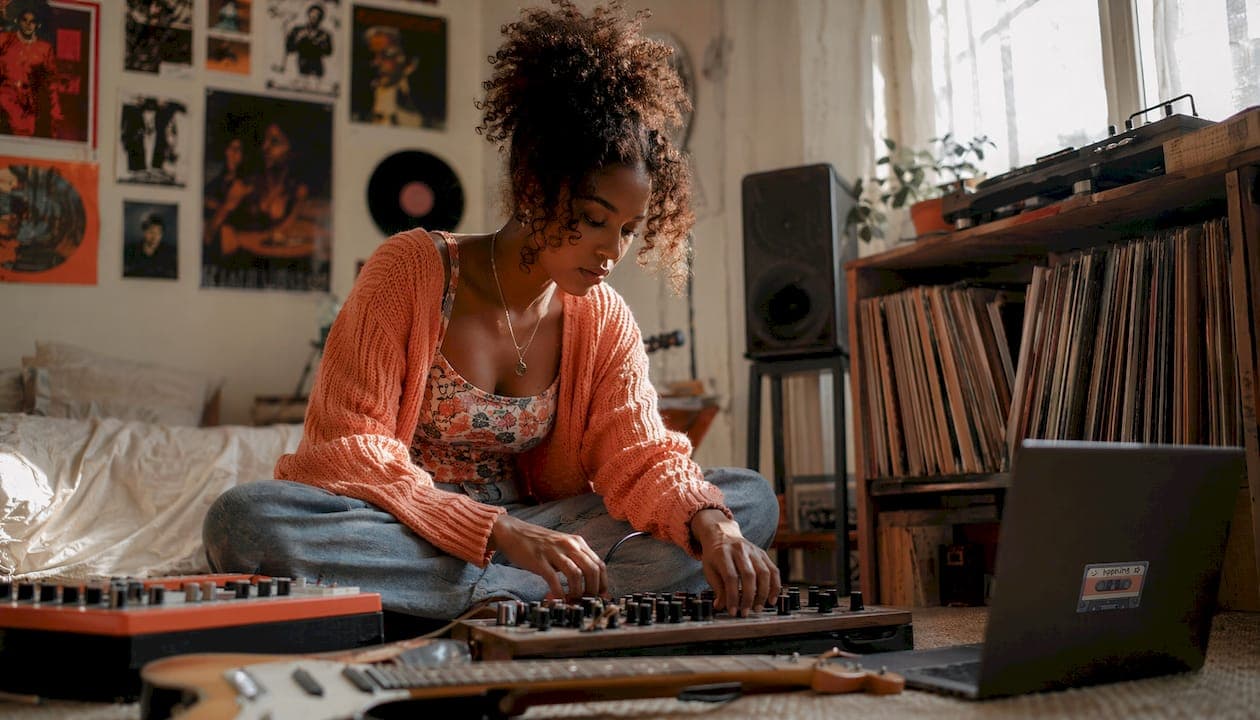
DIY production ethics run deep in underground culture. Recording in bedrooms, basements, and borrowed studios is not a limitation. It is a conscious creative choice to counter mainstream production values. The lo-fi texture becomes part of the artistic statement.
Visual language matters too. Archive fashion, hand-drawn artwork, and deliberately unpolished photography signal subcultural belonging. These aesthetic choices communicate authenticity to audiences who know how to read them.
| Characteristic | Underground artist | Mainstream artist |
|---|---|---|
| Monthly listeners | Under 50,000 | Millions |
| Venue capacity | Under 1,000 | Arenas and stadiums |
| Label status | Unsigned or independent | Major label contract |
| Production style | DIY, lo-fi, genre-blending | Polished, formula-tested |
| Discovery channel | Bandcamp, Reddit, Discord | Editorial playlists, radio |
| Fan relationship | Direct, community-driven | Mediated by marketing teams |
Community-based discovery is where underground artists live. Platforms like Bandcamp, Reddit, Discord, and SoundCloud enable grassroots movements and niche discovery that algorithmic promotion cannot replicate. A Reddit thread in r/undergroundhiphop or a Bandcamp Friday recommendation carries more weight in these circles than a Spotify editorial placement.
House shows and hyper-local networks also define the underground environment. Grassroots networks through house shows and independent venues build artist success outside digital marketing entirely. These spaces create the conditions for real artistic risk-taking.
Why do artists choose the underground path?
Underground status is a deliberate choice that prioritizes artistic identity and community connection over commercial metrics. Artists do not stumble into the underground. They choose it, often at real financial cost.
The primary motivation is creative freedom. Underground artists prioritize artistic intent and creative freedom over corporate profit motives and commercial formulas. Without a label dictating release schedules, sonic direction, or image, an artist can make exactly the record they want to make. That freedom is rare in the music industry, and many artists consider it worth more than a distribution advance.
"Underground music is characterized by resistance to mainstream industry control, focusing on ownership, community, and autonomy. Artists create music on their own terms, connecting with authentic audiences rather than commercial pipelines."
Financial vulnerability is the honest cost of that freedom. Most underground artists do not earn a living from music. That financial pressure, paradoxically, produces better art. When you are not trying to recoup a label advance, you have no reason to make safe choices.
Underground scenes also function as subcultures with shared values and aesthetics. The music is only part of what holds these communities together. Shared references, visual codes, and physical gathering spaces create an identity that extends beyond any single artist or release.
Pro Tip: When evaluating whether an artist is genuinely underground, look at what they are willing to lose. An artist who turns down sync licensing or brand deals to protect their creative direction is demonstrating underground values in practice.
Financial independence from major labels fuels risk-taking and innovation precisely because commercial conformity pressure disappears. That is why underground scenes consistently anticipate mainstream trends. Many mainstream genres began as underground movements that challenged commercial formulas. Punk, hip-hop, techno, and indie rock all followed that path.
How can music fans discover and support underground artists?
Finding genuine underground talent requires going where algorithms do not reach. The process is more active than passive streaming, but the rewards are proportionally greater.
- Track small venue calendars. Local venue lineups and small show schedules are the most reliable early indicators of authentic underground artists. Check the calendars of venues with under 300 capacity in your city every week.
- Use community-driven platforms. Bandcamp, SoundCloud, and Reddit communities like r/undergroundhiphop surface artists through peer recommendation rather than algorithmic promotion. Spend time in these spaces and follow the threads that go deep.
- Attend local gigs consistently. Small venue shows offer early discovery opportunities before artists reach mainstream visibility. Showing up regularly builds the kind of community knowledge that no playlist can replicate.
- Recognize genuine artistic intent. Polished marketing language, coordinated rollout campaigns, and brand-ready imagery are signals of mainstream infrastructure. Genuine underground artists communicate directly, imperfectly, and personally.
- Participate in grassroots movements. Buy merch directly from the artist. Share music in forums rather than just streaming it. Attend house shows. Discovering niche genres locally means engaging with the physical and digital communities that sustain them.
The most reliable method for identifying underground talent is simply paying attention at the local level. Tracking lineups and local shows gives fans early access to artists before they hit any mainstream visibility threshold. The fans who show up to a 50-person basement show in 2026 are the ones who will have the stories worth telling in 2030.
Key Takeaways
Underground artists are defined by intentional independence, community-driven discovery, and creative resistance to commercial formulas, not simply by low streaming numbers.
| Point | Details |
|---|---|
| Defining metric | Authentic underground artists typically have under 50,000 monthly listeners and no major label contract. |
| Venue size signals status | Underground artists perform in spaces under 1,000 capacity, where direct fan relationships form. |
| DIY is a choice, not a limitation | Lo-fi production and raw aesthetics are deliberate artistic statements, not budget constraints. |
| Community drives discovery | Bandcamp, Reddit, Discord, and local gigs surface underground talent that algorithms miss. |
| Financial risk enables creative freedom | Most underground artists do not earn a living from music, which removes commercial pressure from their creative decisions. |
The underground is where music actually starts
I have spent years watching artists get "discovered" and wondering why the discovery always felt like a loss. The version of an artist that reaches mainstream visibility is almost never the version that made you care about them in the first place. Something gets smoothed out. The rough edges that made the music feel urgent get sanded down to fit a format.
The underground is not a waiting room for mainstream success. For most artists who choose it deliberately, it is the destination. The creative conditions that exist outside commercial infrastructure, the freedom to make a record that might confuse people, the ability to perform for 40 listeners who are genuinely there because they sought you out, those are not consolation prizes. They are the point.
What I find most interesting about underground scenes is their role as incubators. The sounds that define mainstream music a decade from now are being made right now in someone's basement, played at a venue you have never heard of, shared in a Discord server with 200 members. The people paying attention at that stage are not just early adopters. They are participants in something that has not yet been named.
Community engagement is what separates underground culture from simple obscurity. Any artist can be unknown. Underground artists are unknown to the mainstream but deeply known within their community. That distinction matters. It is the difference between an artist who has not been found yet and one who has found exactly the audience they were looking for.
— Ari
Where Hppn fits in the underground music world
Hppn was built for exactly the kind of music fan who reads this far into an article about underground artists. The platform surfaces live shows and emerging acts near you, with artist previews through video and audio so you can hear the music before you commit to the show.
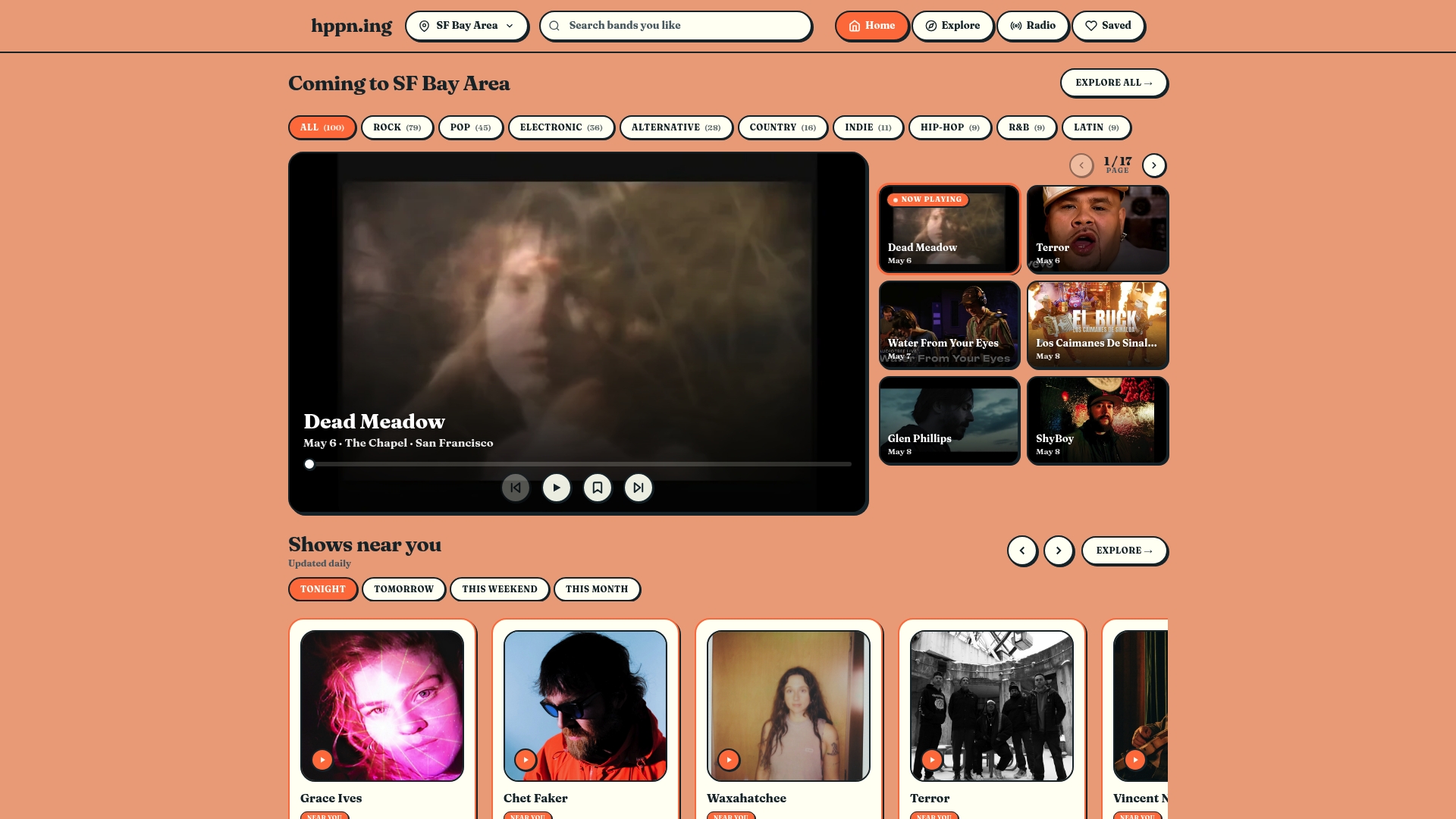
Unlike platforms built around mainstream editorial curation, Hppn focuses on smaller and emerging musicians who are actively performing in your city right now. You can browse by location, preview artists, and connect with the local music communities that sustain underground scenes. If you want to search emerging artists and listen before you show up, Hppn makes that possible without requiring you to already know who you are looking for.
FAQ
What defines an underground artist in 2026?
An underground artist operates independently from major labels, typically has fewer than 50,000 monthly listeners, and prioritizes creative autonomy over commercial metrics. Underground status is a deliberate choice, not simply a measure of popularity.
How do I know if an artist is genuinely underground?
Look for unsigned or independent label status, small venue performances under 1,000 capacity, DIY production aesthetics, and community-driven discovery through platforms like Bandcamp or Reddit rather than mainstream editorial playlists.
Can an underground artist become mainstream and stay underground?
No. Once an artist signs with a major label, pursues mass-market production, and targets algorithmic playlist placement, they have moved into mainstream infrastructure. The underground identity is inseparable from the structural choices that define it.
Why do underground scenes matter culturally?
Underground music scenes consistently anticipate mainstream trends. Genres like punk, hip-hop, and techno all originated as underground movements before commercial adoption. These scenes function as the primary incubators of musical innovation.
Where is the best place to find underground artists near me?
Small venue calendars, Bandcamp, SoundCloud, Reddit communities, and local music discovery platforms like Hppn are the most reliable sources for finding underground artists before they reach mainstream visibility.