

Live music venues are defined by three core factors: physical location, audience capacity, and the experience they are built to deliver. From a 50-seat listening room to a stadium holding 80,000 fans, venue types vary widely in purpose and design. Understanding the different music venue types helps you choose the right show for the right night. This live music space guide covers every major category so you know exactly what to expect before you walk through the door.
1. Types of live music venues explained: the full breakdown
The clearest way to understand venues for concerts is to sort them by size first, then by design. Capacity tiers shape everything from ticket price to sound quality to how close you stand to the artist. Here is a reference table before the deep dive.
| Venue type | Typical capacity | Common genres | Atmosphere |
|---|---|---|---|
| Coffeehouse / listening room | Under 100 | Folk, jazz, acoustic | Intimate, quiet |
| Club / bar | 100–2,000 | Rock, hip-hop, pop, EDM | High energy, standing |
| Theater | 500–3,000 | All genres, classical | Seated, acoustic focus |
| Arena | 10,000–20,000 | Pop, rock, hip-hop | Large production, loud |
| Stadium | 50,000–80,000 | Major touring acts | Spectacle, massive scale |
| Amphitheater | 5,000–20,000 | Rock, country, pop | Outdoor, open air |
| Festival grounds | 10,000+ | Multi-genre | Multi-stage, all-day |
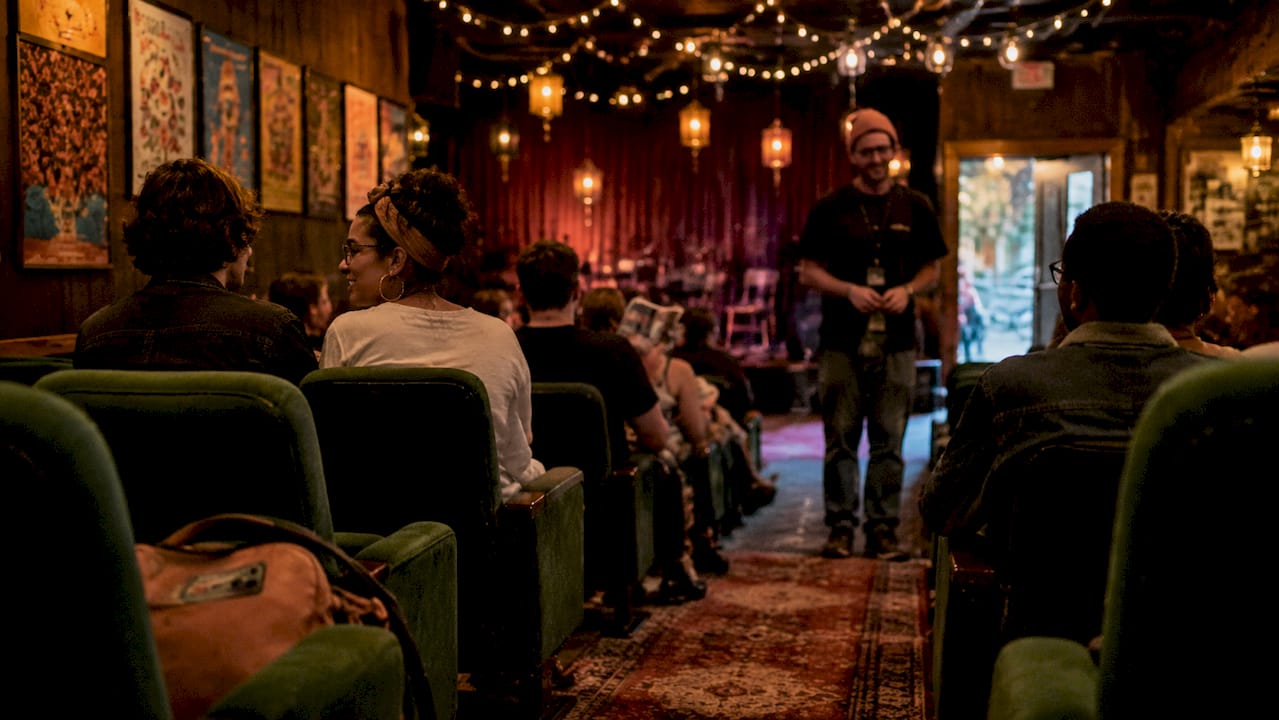
Pro Tip: If you want to hear every lyric clearly, aim for venues under 3,000 capacity. Acoustic control drops sharply as room size grows.
2. Small venues: clubs, bars, and coffeehouses
Small venues hold 200 or fewer fans and deliver the most direct artist-to-audience connection available in live music. You can see the sweat on the guitarist's hands. You feel the bass in your chest without a subwoofer stack. Emerging artists build their careers in these rooms, and fans who show up early get to say they were there first.
Clubs and bars lean toward rock, hip-hop, and electronic music. The energy is physical and social. Coffeehouses sit at the quieter end of the spectrum, hosting singer-songwriters and acoustic acts where the room itself becomes part of the performance. These spaces reward attentive listeners over casual crowd members.
The tradeoff is comfort. Standing-room floors get crowded, sightlines can be blocked, and bar noise competes with the music. Still, for fans who want intimacy over spectacle, small venues are the clear choice.
3. Mid-size theaters: the acoustic sweet spot
Theaters seating 500–3,000 people represent the best balance of sound quality and production value in live music. The room is large enough for professional lighting and staging but small enough for acoustic engineers to control reverberation precisely. Artists from Bon Iver to Kendrick Lamar have used theater tours specifically to deliver a more focused listening experience.
Concert halls use ISO 3382 acoustic parameters to set reverberation time targets. A speech-focused hall targets around 0.7 seconds of RT60, while a symphony hall targets up to 2.2 seconds. That difference is audible. Longer reverberation adds warmth and bloom to orchestral music but muddies fast-tempo rock.
Fixed seating is the other defining feature of theaters. You always know your sightline before you arrive. That predictability makes theaters the preferred choice for fans who want a formal, focused experience rather than a crowd-surfing one.
4. Arenas and stadiums: scale over intimacy
Arenas hold 10,000–20,000 fans. Stadiums push that to 50,000–80,000. At this scale, the concert becomes a production event as much as a musical one. Video screens, pyrotechnics, and elaborate stage rigs replace the raw connection of a small club. Artists like Taylor Swift and Beyoncé have built entire visual worlds around stadium shows that simply cannot exist in smaller rooms.
The acoustic challenge at arena and stadium scale is significant. Sound travels farther, reflections multiply, and delay towers become necessary to keep audio synchronized across the floor. Engineers spend days tuning these systems before a single fan enters. The result is impressive but never as acoustically pure as a well-designed theater.
Crowd energy at this scale is its own reward. Singing 60,000 voices in unison to a chorus you know by heart is an experience no club can replicate. Both formats serve a purpose. They just serve different ones.
5. Indoor vs. outdoor venues: what actually changes
Indoor venues control the acoustic environment completely. Walls, ceilings, and floors are all calculated surfaces. Concert halls, clubs, and theaters all benefit from this control. Sound stays where engineers put it, and weather never cancels the show.
Outdoor venues trade that control for scale and atmosphere. Amphitheaters like Red Rocks Amphitheatre in Colorado or the Hollywood Bowl in California offer natural settings that become part of the performance. The open sky, the sight of stars, and the physical space create a mood no indoor room can match. Check out outdoor music event formats for a deeper look at what these settings offer.
Outdoor logistics add real complexity that fans often underestimate:
- Weather can cancel or delay shows with no warning
- Curfews set by local ordinances cut performances short
- Transportation to remote outdoor sites requires planning well in advance
- Entry lines at festival grounds can consume 30–60 minutes of your evening
- Sound bleed from neighboring stages at multi-stage festivals affects every set
Pro Tip: For outdoor shows, arrive 45 minutes early. Entry lines and parking at large outdoor venues routinely cost fans the opening act.
6. Specialized venues: listening rooms and bandshells
Listening rooms represent the most intentional live music format available today. Listening room culture prioritizes sound quality and community over volume and spectacle. These venues host album-release parties, artist Q&A sessions, and curated listening events where the audience is expected to be quiet and fully present. The format contrasts sharply with the loud, social energy of a mainstream club.
Bandshells are outdoor structures with a curved shell-shaped roof designed to project sound outward into an open park or plaza. They are common in public parks across American cities and typically host free or low-cost community concerts. The acoustic design is simple but effective for unamplified or lightly amplified performances.
Both formats serve a specific fan. Listening rooms attract fans who treat live music as an art form to study. Bandshells attract casual listeners who want music as part of a broader outdoor social experience. Knowing which one you are helps you find the right unique live music experiences for your taste.
7. How production and audience experience differ by venue
Production scale is directly tied to venue size. A club act carries a van of gear. A stadium act carries multiple semi-trucks. The gap between those two worlds shapes everything the audience sees and hears.
Acoustical engineering is the invisible factor most fans never consider. ISO 3382 parameters govern how concert halls and theaters are designed, measuring clarity, warmth, and spatial impression as distinct, quantifiable values. Clubs rarely apply this level of engineering. The result is that a well-designed 1,500-seat theater often sounds better than a 15,000-seat arena, even with a larger production budget at the arena.
Sightlines matter as much as sound. Theaters with raked seating give every seat a clear view of the stage. Standing-room clubs create natural hierarchies where taller fans block shorter ones. Arenas use floor sections, lower bowl, and upper bowl tiers that each deliver a different experience at the same show. Choosing your section is as important as choosing the venue itself.
Crowd density shapes the emotional experience. A packed 300-person club creates a shared intensity that a half-empty arena cannot replicate. The best venue depends on individual preference for intimacy, sound clarity, and crowd energy rather than reputation alone.
8. Which venue fits your genre and preference?
Genre associations align clearly with venue types. Opera houses and concert halls serve classical, opera, and choral music. Pubs, clubs, and nightclubs host rock, pop, hip-hop, and dance music. Jazz clubs and coffeehouses serve acoustic and improvisational genres. Matching genre to venue is not just about tradition. It is about the acoustic and social environment each genre needs to land correctly.
Here is a practical guide for how to choose a venue based on what you want from the night:
- Classical or jazz: Choose a concert hall or dedicated jazz club for acoustic accuracy and attentive audiences
- Rock or metal: Choose a mid-size club or theater where volume and energy are contained and focused
- Pop or hip-hop: Arenas and theaters both work, depending on whether you want spectacle or clarity
- Electronic or dance: Clubs with proper sound systems and standing-room floors are the natural home
- Folk or singer-songwriter: Listening rooms and coffeehouses deliver the quiet focus these artists need
- Festival experience: Multi-stage outdoor grounds offer variety but require planning and stamina
The practical rule is simple. If the music requires you to hear every note, choose a smaller, acoustically designed room. If the music is about shared energy and scale, choose a larger venue and embrace the production.
Key takeaways
The right live music venue is determined by size, acoustic design, and the experience you want, not by the artist's fame or ticket price.
| Point | Details |
|---|---|
| Size defines experience | Venues range from under 100 to 80,000 capacity, with each tier delivering a distinct atmosphere. |
| Acoustics vary by design | Theaters using ISO 3382 standards deliver clearer sound than most arenas or clubs. |
| Outdoor adds complexity | Weather, curfews, and transport logistics shape outdoor shows as much as the music does. |
| Genre guides venue choice | Classical belongs in concert halls; rock and pop thrive in clubs, theaters, and arenas. |
| Intimacy beats scale for discovery | Small clubs and listening rooms offer the closest connection to emerging artists. |
Why venue choice matters more than most fans realize
I have been to shows in every format on this list, from a 40-person listening room in Austin to a 70,000-seat stadium in New Jersey. The single biggest mistake I see fans make is choosing a show based on the artist's name without thinking about the room. I have heard legendary artists sound flat in a badly designed arena and watched unknown acts deliver life-changing sets in a converted warehouse.
The listening room trend is the most interesting shift I have seen in live music culture in the past decade. Fans are actively seeking out quieter, more focused formats because streaming has trained their ears to expect clarity. When you hear a record at home through good headphones and then attend a loud, reverberant club show, the gap is jarring. Listening rooms close that gap.
My honest advice: spend one year deliberately choosing venues outside your comfort zone. Go to a classical concert in a proper concert hall even if you do not love classical music. Attend a show at a listening room. Stand in the front row of a 200-person club. Each format teaches you something about what live music can be. The fans who do this end up with a richer, more demanding relationship with live music. They stop settling for bad sound and bad sightlines. That is a good thing for everyone, including the artists.
— Ari
Find your next show with Hppn
Knowing the different music venue types is only useful if you can act on it. Hppn is built for exactly that moment.
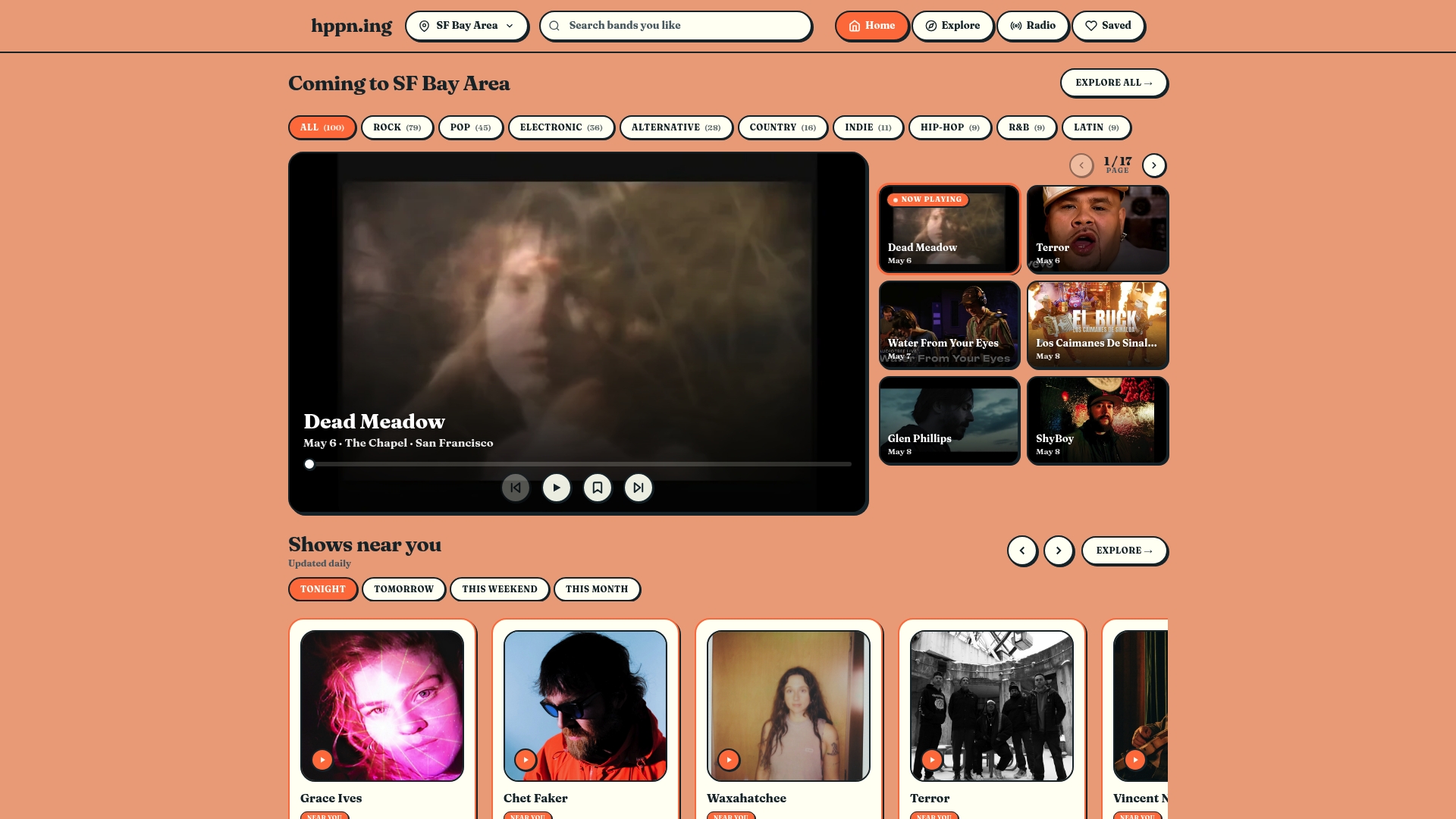
Hppn lets you browse artists and preview music before you commit to a ticket, so you know what you are walking into. The platform surfaces emerging artists playing small clubs and listening rooms alongside larger touring acts, giving you the full range of live music options in your city. You can also discover live shows near you filtered by location and community feedback from fans who have already been to the venue. Whether you want a 200-person club or an outdoor amphitheater, Hppn connects you to the right show for the right night.
FAQ
What are the main types of live music venues?
The main types are coffeehouses, clubs, bars, theaters, concert halls, arenas, stadiums, amphitheaters, and festival grounds. Each differs in capacity, acoustic design, and the experience it delivers.
How do I choose the right venue for a concert?
Choosing a venue depends on your preference for intimacy, sound clarity, and crowd energy. Small theaters and clubs suit fans who want acoustic precision; arenas and stadiums suit fans who want large-scale production.
What is a listening room?
A listening room is a small, acoustically focused venue that prioritizes sound quality and community engagement over volume. These spaces host events like album-release parties and artist Q&A sessions in an intimate setting.
Why do outdoor venues sound different from indoor ones?
Outdoor venues lack walls and ceilings to reflect and contain sound, which reduces acoustic control. Engineers use delay towers and directional speaker arrays to compensate, but the result rarely matches a well-designed indoor hall.
What venue type is best for emerging artists?
Small clubs, bars, and listening rooms are the best venues for emerging artists. These spaces hold under 2,000 fans and create the direct artist-to-audience connection that builds loyal followings early in a career.