
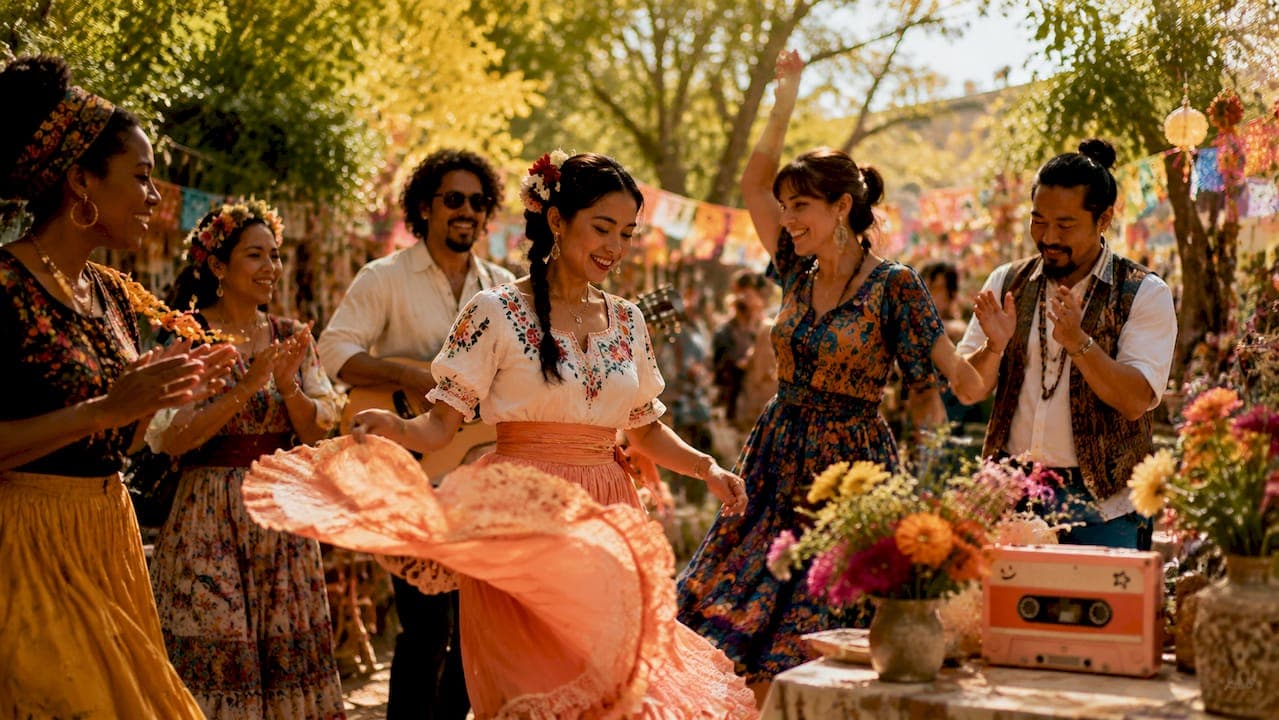
Live events are defined as organized, in-person gatherings where communities actively participate in shared cultural, artistic, or social experiences. The role of live events in local culture extends far beyond entertainment. Festivals, concerts, ceremonies, and markets function as living archives of identity, transmitting traditions from one generation to the next while simultaneously creating new shared memories. Research confirms that physical presence intensifies social bonding in ways no digital platform replicates. Understanding this dynamic is the first step toward recognizing why live events deserve protection, investment, and active participation from every community member.
How live events preserve and perform local cultural traditions
Museums conserve artifacts. Festivals perform culture. That distinction, drawn from research on living traditions vs. observation, is the clearest way to explain why live events are irreplaceable as cultural preservation tools. A museum display of traditional Maasai beadwork tells you what the craft looks like. A Maasai ceremony shows you what it means, who performs it, and why it matters to the people who carry it forward.
The cultural significance of festivals lies precisely in their participatory nature. Attendees do not watch culture from behind glass. They taste it, hear it, move through it, and carry pieces of it home. Baltimore's Asia in a Bite Food Fest, for example, brings together dozens of vendors representing distinct culinary traditions from across Asia, giving second and third generation immigrants a public stage to share heritage that might otherwise stay private. Events like this help living traditions be experienced rather than simply cataloged.
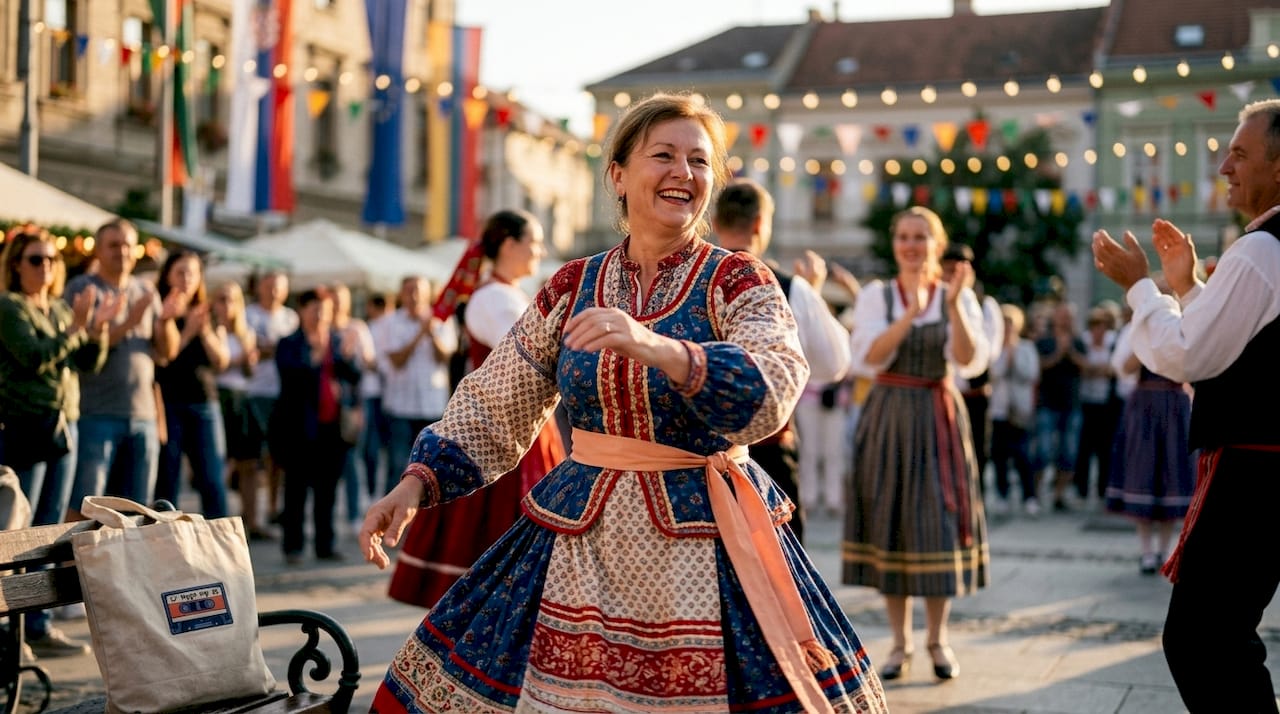
This active transmission is especially critical for younger generations. When a teenager watches a traditional dance performed at a neighborhood festival, the experience encodes differently than watching a documentary. The crowd, the sound, the smell of food, and the presence of elders all combine to create a memory with cultural weight. The intergenerational transfer of knowledge through live performance is one of the most documented benefits of community gatherings.
Key mechanisms through which live events preserve local traditions include:
- Direct skill transmission: Craft demonstrations, cooking workshops, and musical performances at festivals pass techniques from practitioners to observers in real time.
- Language preservation: Spoken word events, storytelling nights, and indigenous language performances keep minority languages audible and alive in public spaces.
- Ritual continuity: Ceremonies tied to seasonal or religious calendars reinforce community identity by marking time collectively.
- Narrative reinforcement: Local theater, folk music, and oral history events keep community stories circulating rather than fading.
"Festivals do not just display culture. They activate it, giving participants a role in its continuation rather than simply its observation." — Why Local Festivals Reveal Culture That Museums Simply Cannot
Pro Tip: If you want to experience authentic local traditions, look for culturally specific festivals organized by community groups rather than tourism boards. The difference in authenticity is immediate.
What are the social benefits of attending live community events?
The social benefits of live events are grounded in neuroscience as much as sociology. Physical co-presence at live events synchronizes emotional responses among strangers, producing measurable increases in empathy and trust. This is why a crowd at a concert feels like a community even when no one knows each other's names.
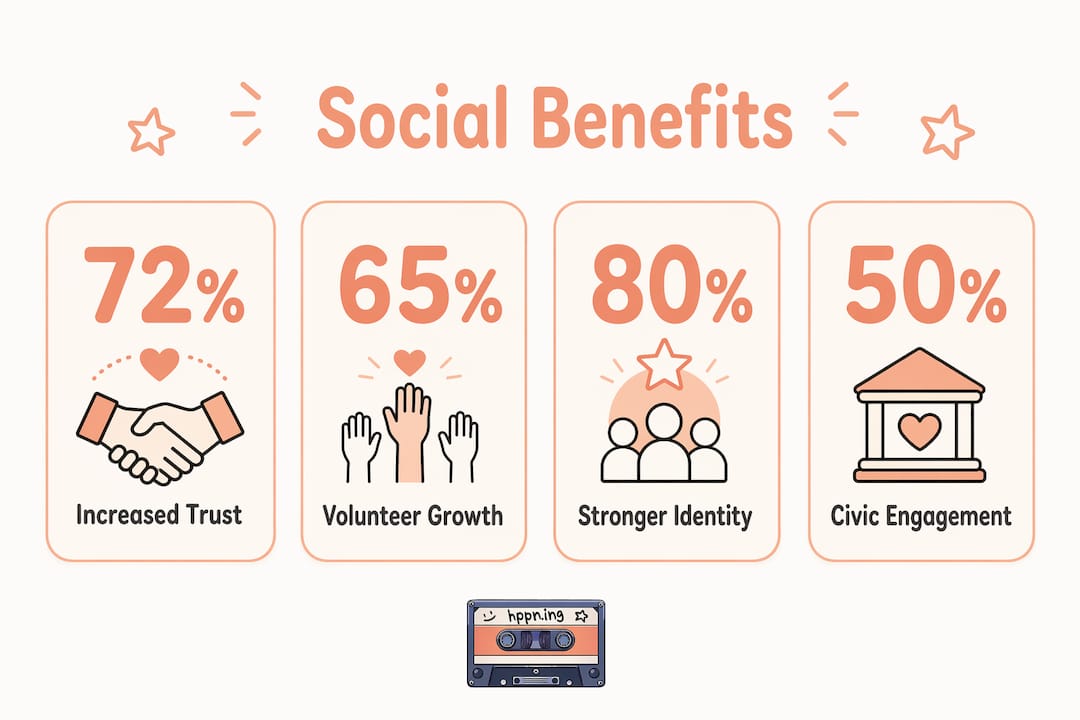
Studies from Manchester show that civic engagement links directly to local event participation, with higher rates of volunteering and civic board recruitment recorded in neighborhoods with active event calendars. This is not coincidental. When people gather regularly, they build the relational infrastructure needed to solve collective problems, from organizing neighborhood watches to staffing local schools.
The social benefits compound over time through consistent participation. Consider how the Virginia Bluebell Festival draws thousands of visitors each spring to Mercer County, West Virginia, creating annual rituals of shared experience that residents plan around and return to year after year. Or how food truck festivals in mid-sized American cities have become reliable social bridges, drawing together residents from different zip codes who would otherwise have no natural meeting point.
Here is a practical sequence for how live events build social cohesion in a community:
- Initial gathering: Residents attend a shared event, reducing social distance between strangers through proximity and common experience.
- Repeated contact: Regular events create recurring encounters, turning strangers into familiar faces.
- Collaborative participation: Volunteering, organizing, and performing at events deepens investment in community outcomes.
- Civic spillover: Social trust built at events transfers to civic contexts, increasing voter turnout, board participation, and local advocacy.
- Identity reinforcement: Shared event memories become part of how residents describe and defend their community to outsiders.
The importance of local events as social infrastructure is not a soft cultural argument. It is a measurable civic asset that local governments and community organizations consistently undervalue until it disappears.
How do live events impact local economies?
Live events function as economic multipliers, concentrating spending in local hospitality, retail, and service sectors in ways that benefit small businesses directly. The Asia in a Bite Food Fest demonstrates this with precision: the event supports 40+ vendors in a single day, generating revenue that rivals or exceeds what those vendors earn in a typical week. That kind of concentrated economic activity is impossible to replicate through digital channels.
The economic impact of community gatherings extends beyond the event itself. Visitors spend on accommodation, transportation, and dining before and after the main event. Local retailers report increased foot traffic during festival weekends. Event planning, security, staging, and hospitality all generate employment, much of it for residents who live within walking distance of the venue.
| Economic benefit | Example | Impact |
|---|---|---|
| Vendor revenue concentration | Asia in a Bite Food Fest | 40+ small businesses record peak revenue days |
| Hospitality sector boost | Concert weekends in mid-size cities | Hotels, bars, and restaurants see 20 to 40% occupancy increases |
| Employment creation | Event planning and staging | Temporary and permanent jobs in logistics, security, and hospitality |
| Tourism and repeat visits | Virginia Bluebell Festival | Annual visitors return and spend across the local economy |
| Retail spillover | Street festivals and markets | Nearby shops report increased sales during and after events |
The live music and local economies connection is particularly strong in cities where independent venues anchor entire commercial corridors. When a music venue closes, the restaurants, bars, and shops that depend on pre and post-show traffic often follow within months.
Challenges in keeping events culturally authentic
The biggest threat to the cultural value of live events is not neglect. It is commercialization that transfers control from communities to outside interests. When tourism revenue becomes the primary goal, events shift from community expressions to performances staged for outsiders. The result is a sanitized, marketable version of culture that serves visitors but hollows out the meaning for residents.
Research on the Maasai community illustrates how this risk is managed effectively. Maasai communities maintain cultural integrity through locally governed event calendars that align ceremonies with cultural cycles rather than tourist seasons. Revenue generated through cultural tourism is reinvested into community services, education, and cultural programs rather than extracted by outside operators.
Best practices for sustaining authenticity in community events include:
- Community governance: Event decisions should be made by residents, cultural practitioners, and community organizations rather than external promoters.
- Cultural protocol training: Visitors and vendors should receive clear guidance on respectful participation, photography rules, and appropriate behavior.
- Revenue reinvestment: A defined percentage of event income should flow back into local cultural programs, schools, and social services.
- Alignment with cultural calendars: Events tied to genuine seasonal, religious, or historical significance carry more meaning than arbitrarily scheduled festivals.
- Limiting corporate sponsorship scope: Sponsors can fund logistics without controlling programming or branding the cultural content itself.
Pro Tip: Before attending a cultural festival as an outsider, research who organizes it and whether the community it represents has meaningful control over the event. That single question tells you more about authenticity than any marketing material.
Why consistent small events matter more than occasional large ones
The future of live events in sustaining local identity depends less on blockbuster festivals and more on the steady rhythm of smaller gatherings. Regular community events act as connective tissue in civic life, delivering social benefits that accumulate over months and years rather than spiking once annually. Monthly markets, neighborhood concerts, school fetes, and open mic nights build the relational infrastructure that large events can only briefly activate.
Local media coverage of community events correlates directly with civic engagement, volunteering, and participation in local governance. Communities with active local news ecosystems see higher voter turnout and stronger trust in local institutions. When events go uncovered, their social impact diminishes because the stories that reinforce community identity never circulate beyond those who attended.
The contrast between sustained and sporadic event cultures is stark:
| Event model | Frequency | Community outcome |
|---|---|---|
| Sustained small events | Monthly or weekly | Ongoing social bonds, high civic participation, strong local identity |
| Occasional large festivals | Once or twice yearly | Temporary social activation, limited long-term cohesion |
| No organized events | Rare or none | Social fragmentation, low civic engagement, weakened local identity |
Funding cuts to community arts programs, public spaces, and local media directly erode this infrastructure. The role of public spaces in hosting live events is not a luxury consideration. It is a structural requirement for community resilience. Cities that defund parks programming, close community centers, or eliminate arts grants do not just lose entertainment options. They lose the social glue that holds neighborhoods together.
Key takeaways
Live events are the most effective mechanism communities have for preserving culture, building social trust, and sustaining local economic vitality simultaneously.
| Point | Details |
|---|---|
| Culture is performed, not stored | Festivals transmit living traditions through participation, not passive observation. |
| Social bonds require physical presence | Co-presence at events builds empathy and trust that digital interaction cannot replicate. |
| Events are economic multipliers | A single festival day can generate peak revenue for 40+ local vendors and businesses. |
| Authenticity requires community control | Events governed by residents and cultural practitioners preserve meaning; externally controlled events commodify it. |
| Small events sustain more than large ones | Regular monthly gatherings build stronger long-term civic ties than rare blockbuster festivals. |
Why live events are the one thing worth showing up for
I have spent years watching communities debate whether live events are worth the investment, the noise, the logistics, and the disruption. My answer is always the same: nothing else does what they do.
The argument I hear most often against prioritizing live events is that digital tools now cover the same ground. Streaming concerts, virtual festivals, online community forums. I understand the appeal of that argument. It is cheaper, more accessible, and easier to scale. But physical venue attendance creates richer, longer-lasting memories precisely because it engages every sense at once. You cannot replicate the feeling of standing in a crowd that collectively holds its breath before a performer hits a note. That moment encodes differently. It becomes part of how you identify with a place.
What I find most underappreciated is the civic spillover effect. People who attend local events regularly are more likely to vote, volunteer, and show up when their neighborhood needs them. The social trust built at a summer block party or a local music showcase does not stay at the event. It travels home with attendees and shows up later in city council meetings, school fundraisers, and mutual aid networks. That is not a soft cultural benefit. That is community infrastructure.
My honest concern is that we are treating live events as optional extras at exactly the moment when communities need them most. Digital isolation is real, and the antidote is not another app. It is showing up, physically, to share space with your neighbors. The communities that understand this and protect their event ecosystems will be more resilient, more cohesive, and more culturally alive than those that do not.
— Ari
Find your next live event and support local culture
Discovering live events near you is easier than it has ever been, and the impact of showing up is larger than most people realize.
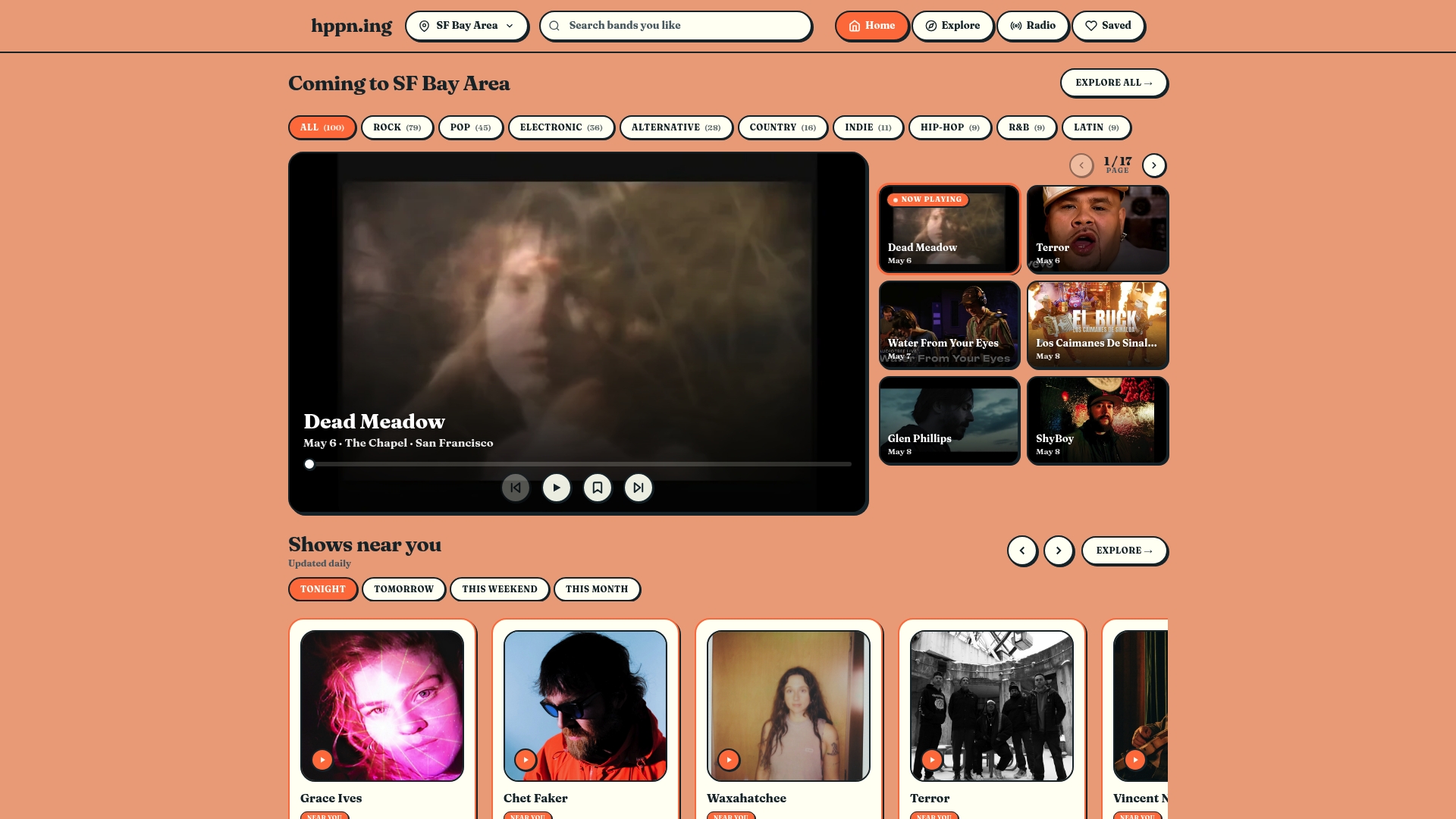
Hppn is built specifically for music fans who want to find real local experiences rather than mainstream stadium shows. On Hppn's discovery platform, you can browse concerts by location, preview artists through video and audio before you commit to a ticket, and track trending performers in your city before they break out. The platform surfaces emerging and underground artists who are actively shaping local music scenes right now, not just the names already on every playlist. You can also join community conversations through Hppn's notes feature, where fans share recommendations, reviews, and event tips in real time. Every show you attend is a vote for the cultural life of your city.
FAQ
What is the role of live events in local culture?
Live events preserve and perform cultural traditions through active participation, build social trust through physical co-presence, and sustain local economies by concentrating spending among small businesses. They function as essential social infrastructure rather than optional entertainment.
Why are festivals more effective than museums for cultural preservation?
Festivals involve direct participation in living traditions, including music, food, dance, and ceremony, while museums offer passive observation of artifacts. Research confirms that active participation in cultural events transmits culture more effectively across generations than static display.
How do live events build community identity?
Regular attendance at local events creates shared memories, synchronizes emotional responses among attendees, and builds the relational trust that transfers into civic participation. Communities with active event calendars show higher rates of volunteering and local governance involvement.
What are the economic benefits of community events?
Community events drive concentrated spending in hospitality, retail, and food sectors. Events like the Asia in a Bite Food Fest support over 40 vendors in a single day, generating revenue that rivals an entire week of normal trading for participating small businesses.
How can communities protect cultural authenticity at events?
Community governance is the primary safeguard. When residents and cultural practitioners control event programming, scheduling, and revenue allocation, events retain their meaning. The Maasai model of locally governed event calendars aligned with cultural cycles is one of the most documented examples of this approach working at scale.