
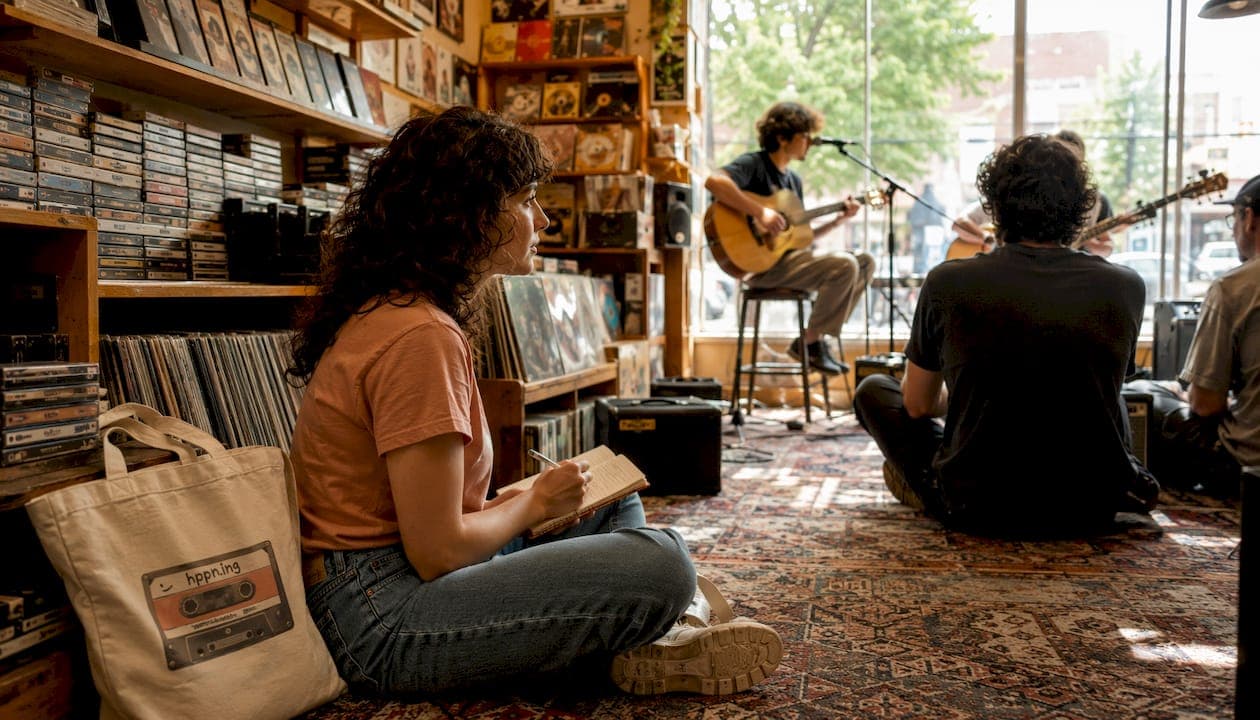
Here are concrete examples of hidden local venues you can visit right now, across U.S. cities:
- The Hideout (Chicago) — A weathered dive tucked behind a lumber yard, with a back room that hosts indie and folk acts for under 100 people. Walk-up entry most nights.
- Empty Bottle (Chicago) — A no-frills Wicker Park bar with a side room for punk, experimental, and noise shows. Capacity is modest; tickets available at the door or online.
- Green Mill Cocktail Lounge (Chicago) — A genuine 1907 speakeasy with underground tunnels and a Sunday jazz series. Reservations recommended for weekend sets.
- Bluebird Cafe (Nashville) — A strip-mall listening room seating roughly 90 people, famous for songwriter-in-the-round sets. RSVP required; sells out fast.
- The Basement East (Nashville) — Literally underground, beneath a deli, with a capacity around 500 for indie and rock. Tickets release online; limited walk-up.
- Rockwood Music Hall (New York) — A Lower East Side room with three stages, the smallest holding about 100. Free entry on Stage 1 most nights.
- Mercury Lounge (New York) — A 250-cap room on Houston Street with a reputation for catching artists before they blow up. Advance tickets strongly advised.
- The Smell (Los Angeles) — An all-ages, no-alcohol DIY basement in downtown L.A. running on donations. No advance tickets; show up and pay what you can.
- The Echo (Los Angeles) — A 350-cap Silver Lake room with a strong indie and Latin alternative booking. Tickets online; occasional walk-up.
- Mississippi Studios (Portland) — A converted church sanctuary in Northeast Portland seating around 250. Reserved and general admission tickets both available.
- POSTunderground (Brookline, MA) — A community center basement running free Friday jazz sets and student performances. No tickets; walk in.
- Secret Cellar (Aurora, CO) — A home-basement venue with a 52-person capacity built for post-show mingling and direct performer feedback.
- Kaona Room (Miami) — A hidden tiki speakeasy inside The Leinster Irish Pub, with a concealed entrance that's half the experience.
- Farmer's Cellar (Lakeville, MN) — A cocktail lounge hidden behind a faux cooler door inside a gas station convenience store.
- FREVO (New York) — A 16-seat Michelin-starred counter behind a secret door in a Greenwich Village art gallery. Reservations open on the 1st of each month at 2 PM.
Table of Contents
- What counts as a 'hidden' venue, and why does it matter?
- City-by-city hidden gems you can actually visit
- How to find hidden venues in your city tonight
- Practical planning: tickets, capacity, and etiquette
- Why hidden venues stay hidden on purpose
- Key Takeaways
- What you actually gain from seeking out hidden venues
- Hppn makes finding secret shows much easier
What counts as a 'hidden' venue, and why does it matter?
Not every small bar qualifies. A hidden or intimate venue typically has at least one deliberate barrier between the outside world and the performance space. That barrier might be physical (an unmarked door, a basement staircase, a cooler you have to pull open) or social (a mailing list, an RSVP window, a word-of-mouth invite). The result is a room that filters its own crowd before the first note plays.
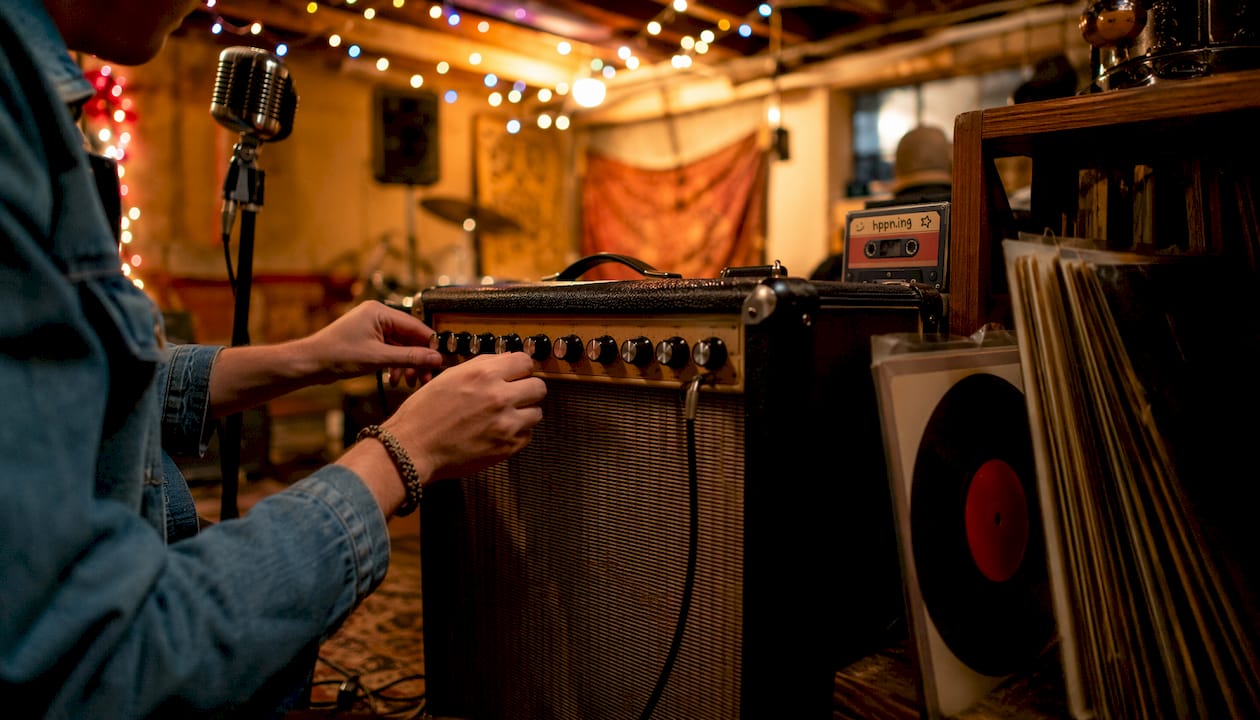
Five types show up most often across U.S. cities:
| Type | Typical size | Booking style | Why it creates intimacy |
|---|---|---|---|
| Basement / house-show | Very small (20–100) | Donations, RSVP | Residential scale; performers and fans share the same floor |
| Speakeasy / hidden bar | Small (30–100) | Walk-in or reservation | Concealed entrance primes attention before the show starts |
| Gallery or restaurant room | Small (16–60) | Monthly release, ticketed | Curated seating and quiet norms borrowed from dining or art |
| Pop-up / temporary | Very small to medium | Cryptic social posts, RSVP | Scarcity and surprise keep the crowd self-selected |
| Community center or hall stage | Small to medium (50–250) | Free or low cover | Neighborhood ownership; programming serves locals, not tourists |
Pro Tip: If a venue's address isn't on its social profile and you have to DM someone to get it, that's a pop-up or house-show. Treat the location as private until the host makes it public.
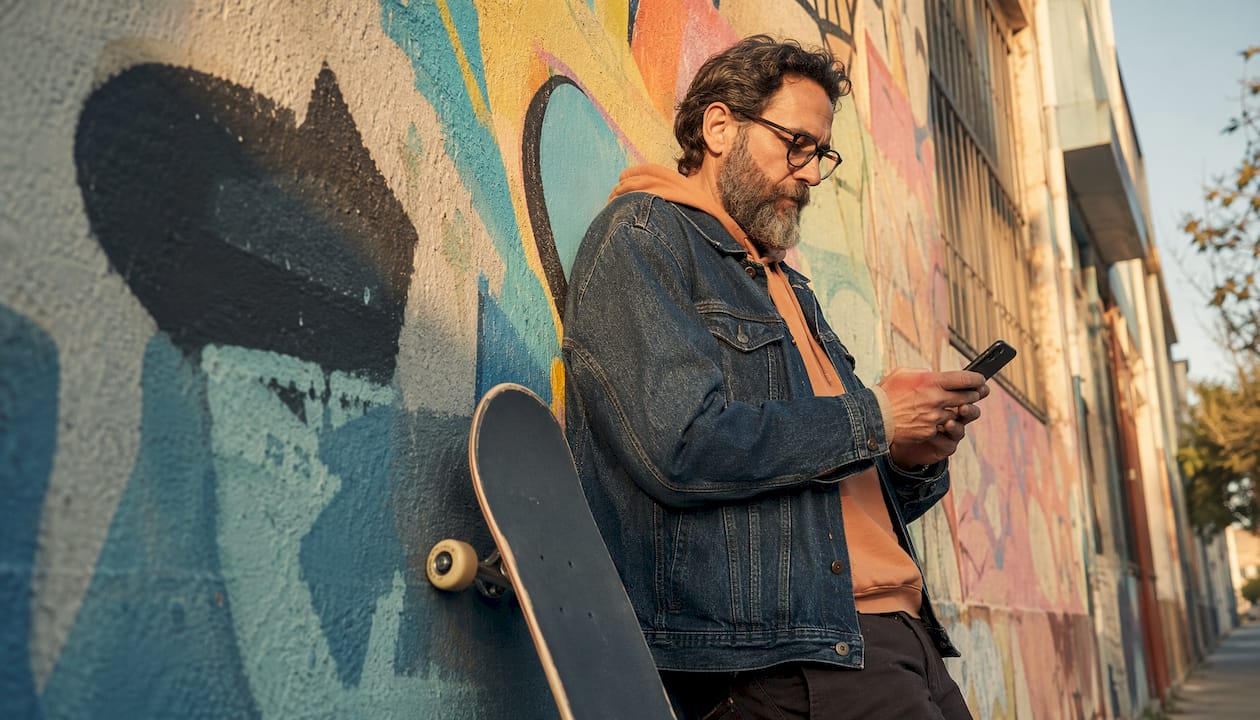
The programming differences are real. Basement punk shows run loud and loose; gallery listening rooms enforce near-silence. A speakeasy jazz room like the Green Mill expects you to settle in for a full set, not drift in mid-song. Knowing the type before you arrive tells you what the room expects from you. For a deeper look at how venue architecture shapes the experience, the format matters as much as the lineup.
City-by-city hidden gems you can actually visit
Chicago
- The Hideout — Behind a lumber yard on Wabansia; indie, folk, and country in a room that feels like someone's living room. Walk-up entry most nights, under 100 capacity.
- Empty Bottle — Wicker Park's answer to a proper DIY room. Punk, noise, and experimental bookings; cash bar, no dress code.
- Green Mill Cocktail Lounge — The city's most storied speakeasy, open since 1907. Sunday jazz jams are free; weekend headliners require a reservation.
Nashville
- Bluebird Cafe — Strip-mall exterior, legendary interior. Songwriter-in-the-round format seats 90; RSVP is non-negotiable.
- The Basement East — Descend below a deli for indie rock and Americana. Around 500 capacity, but the low ceiling and concrete walls keep it feeling close.
New York City
- Rockwood Music Hall — Three rooms on Allen Street, the smallest of which is free most nights. Singer-songwriters, jazz, and folk cycle through constantly.
- Mercury Lounge — 250 seats on Houston Street. The booking history alone is worth the ticket price; buy in advance.
- FREVO — Not a music venue in the traditional sense, but its 16-seat counter behind a gallery door is the model for how hidden dining and performance spaces operate in the city.
Los Angeles
- The Smell — Downtown L.A.'s all-ages basement institution. Donation-based, no alcohol, no advance tickets. Punk, noise, and experimental acts play here before anywhere else.
- The Echo — Silver Lake's 350-cap room with a strong indie and Latin alternative calendar. Tickets online; the back patio is a scene unto itself.
Portland
- Mississippi Studios — A converted church in Northeast Portland with genuinely good acoustics and a bar next door. Around 250 capacity; reserved seating available.
- The Vera Project (Seattle, nearby) — An all-ages community venue with a Black Lodge room designed for intimate shows and workshops.
Boston / Brookline
- POSTunderground — A community center basement that runs free Friday jazz sets and doubles as a music school. No tickets, no cover; just show up.
Denver / Aurora
- Secret Cellar — A home-basement venue in Aurora with a strict 52-person cap. Post-show conversation with performers is built into the format.
Miami
- Kaona Room — Inside The Leinster Irish Pub, through a door that doesn't look like a door. Tiki cocktails, dim lighting, and a booking calendar that rewards regulars.
How to find hidden venues in your city tonight
Start with local artists, not venue websites. Artists playing small rooms almost always announce shows on their own social channels before any ticketing platform picks them up. Follow three or four local acts in your preferred genre and you'll see basement show announcements, RSVP links, and cryptic location drops that never make it to mainstream listings.
Here's a practical five-step approach:
- Follow local artists and promoters on Instagram and Bandcamp. Promoters especially tend to announce shows 48–72 hours out with just enough detail to find the door.
- Scan neighborhood Facebook groups, Reddit city threads, and alt-weekly event calendars. Publications like local alt-weeklies still run underground show listings that aggregators miss.
- Use a discovery platform with location filters. Hppn lets you search by neighborhood, preview artists via audio and video before committing, and read community notes from other fans who've been to the same small rooms.
- Join venue mailing lists directly. Many hidden rooms send a single weekly email with the full schedule. That list is often the only place the show exists in writing.
- Ask musicians and venue staff after shows. The person selling merch at a 60-cap show almost certainly knows three other rooms in the city. One conversation is worth an hour of searching.
Pro Tip: Watch for posts with no address, just a neighborhood name and a DM prompt. That's the signal for a house show or pop-up. Reply fast — capacity is real and they fill up.
For safety, a few practical notes: tell someone where you're going if the address is residential, check that the venue has a clear exit path, and trust your instincts about the neighborhood at the time of the show. Most underground venues are run by people who care deeply about their community. The rare exception is worth being aware of.
Practical planning: tickets, capacity, and etiquette
Hidden venues operate on different rules than clubs or theaters. Understanding those rules before you arrive makes the night better for everyone.
Ticketing patterns to know:
- Many basement and house-show spaces use donation-based entry ($5–$20 suggested). Bring cash.
- Gallery and restaurant-style rooms like FREVO release a small batch of reservations on a fixed date each month. Set a calendar reminder.
- Mid-size hidden rooms (Mercury Lounge, The Basement East) sell advance tickets online. Buy them the day they go on sale; these shows sell out without announcement.
- Walk-up entry exists at places like Rockwood Music Hall Stage 1 and POSTunderground, but arriving early still matters when capacity is under 100.
Logistics:
- Arrive 20–30 minutes early for any show under 150 capacity. Late entry is often not allowed once a set starts.
- Many basement venues don't have coat checks or bag storage. Travel light.
- Parking near residential house-show addresses is limited. Use transit or rideshare and don't block neighbors' driveways.
Etiquette:
- No flash photography during sets. Most hidden rooms enforce this strictly to protect the performer's focus and the audience's experience.
- Keep conversation to a minimum during listening sets. The Green Mill and Bluebird Cafe both expect near-silence during performances.
- Buy a drink, tip the bartender, or drop cash in the donation jar. Many of these spaces rely on donations rather than large gate receipts to cover rent and pay musicians.
- Follow the venue's social accounts and share posts without tagging the exact address publicly. Exposing a residential location to mass audiences can end a house-show series overnight.
Pro Tip: If the venue asks you to RSVP with your name, do it. A no-show at a 50-person show is a real problem for the organizer and the artist.
Why hidden venues stay hidden on purpose
The concealed entrance isn't an accident. Operators describe it as an architectural filter: a door that's hard to find selects for an audience willing to look for it, which tends to mean an audience willing to listen. That's a deliberate design choice, not a quirk of real estate.
Many of these spaces also turn logistical constraints into identity. POSTunderground operates inside a community center, which keeps overhead low and ties the venue to a neighborhood. The Secret Cellar runs out of a home basement, which means the 52-person cap isn't a limitation — it's the whole point. FREVO sits behind an art gallery because the lease made sense and the gallery door became the brand.
Hidden venues often treat their operating constraints — a basement, a shared building, a borrowed room — as features rather than limitations. The small capacity, the unmarked door, and the monthly reservation window all serve the same goal: a room full of people who chose to be there.
These spaces also tend to be passion projects rather than profit centers. Reporting on venues like POSTunderground shows that operators typically aim to break even, covering rent and small musician stipends through donations and modest cover fees rather than high ticket prices. That financial reality is why house rules matter: no flash, no late entry, no posting the address publicly. The rules protect the economics as much as the atmosphere.
Pro Tip: Follow the venue's channel rather than sharing its location tag. Word-of-mouth keeps these spaces alive; mass exposure can kill them.
Key Takeaways
The most reliable path to hidden live music is following local artists directly, then using a discovery platform like Hppn to fill in the gaps your social feed misses.
| Point | Details |
|---|---|
| Start with artists, not venues | Local musicians announce small shows on their own channels before any ticketing platform picks them up. |
| Know the venue type first | Basement, speakeasy, gallery, pop-up, and community-hall spaces each have different ticketing, capacity, and etiquette norms. |
| Book early and bring cash | Many hidden rooms release limited tickets on a fixed date; donation-based entry is common at basement and house-show spaces. |
| Respect house rules | No flash photography, quiet during sets, and not posting exact addresses publicly keeps these spaces running. |
| Use Hppn for ongoing discovery | Hppn's location filters, artist previews, and community notes surface small and underground shows that mainstream listings miss. |
What you actually gain from seeking out hidden venues
The honest answer is closer access. At a 60-person basement show, you're not watching an artist through a crowd — you're in the same room, close enough to hear the pick on the strings. That changes what you take away from the night.
There's also the discovery angle. The Smell in Los Angeles and The Hideout in Chicago have both hosted artists years before those same acts played theaters. Catching someone at that stage isn't just a good story; it genuinely expands your sense of what's possible in a genre. You hear music before it's been shaped by larger audiences and bigger production budgets.
Hidden venues also tend to build tighter communities. The people who found the same unmarked door on the same night tend to talk to each other. That's how local scenes actually form — not through algorithms, but through shared effort. For anyone interested in what makes live music meaningful, the intimate room is usually where the answer lives.
Hppn makes finding secret shows much easier
Finding off-the-beaten-path venues used to mean knowing the right people. Hppn changes that by putting location-based discovery in your pocket. Search by neighborhood, filter for small and emerging acts, and preview artists through audio and video before you commit to a show you've never heard of.
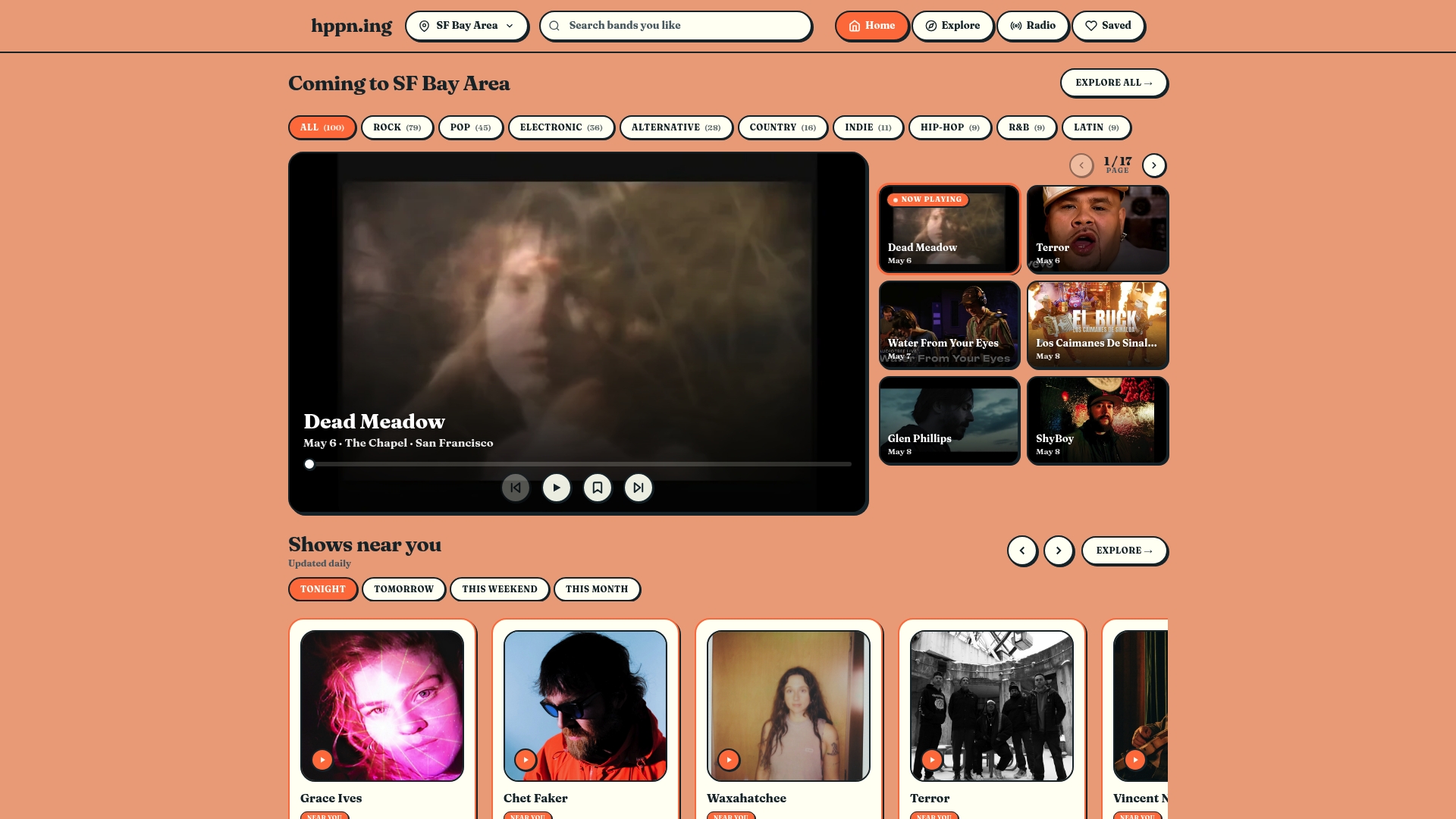
The workflow is straightforward: open Hppn, drop in your city or neighborhood, and browse upcoming shows sorted by proximity. Artist preview cards let you hear a clip before you buy, so you're not walking into a basement show blind. Community notes from other fans flag details that don't make it onto the official event page — things like "arrive by 8 or the door closes" or "this one's donation only, bring cash." Once you find a show, the event page confirms RSVP rules and links directly to tickets.
For ongoing discovery, the community notes feed is where regulars share tips about new rooms and one-off pop-ups. It's the closest thing to having a well-connected friend in every city. Start browsing now at hppn.ing.
Useful sources and places to follow
- POSTunderground feature, WBUR News — Detailed profile of the Brookline community-center jazz basement, its free admission model, and student programming.
- Secret Cellar, Westword — Profiles the Aurora home-basement venue, its 52-person cap, and post-show community culture.
- Farmer's Cellar, Hoodline — Documents the gas-station speakeasy with a cooler-door entrance in Lakeville, MN.
- Kaona Room official site — The Miami tiki speakeasy inside The Leinster Irish Pub; check here for reservation and entrance details.
- FREVO, Secret NYC — Covers the 16-seat Michelin-starred counter behind a Greenwich Village gallery door and its monthly reservation window.
- Hppn listen page — Browse concerts by location, preview artists, and find small shows near you.
- Hppn community notes — Crowdsourced tips and hidden show alerts from fans in your city.
- Independent music venues by state, MI.edu — A state-by-state reference for independent rooms worth knowing.
- The Vera Project, Black Lodge — Seattle's all-ages intimate room inside a community venue; check for show listings and workshop events.