

Event previews are defined as early access experiences, audio clips, or video content that let concert-goers sample a live performance before committing to a ticket purchase. The role of event previews before buying tickets is straightforward: they replace guesswork with firsthand evidence. Whether you're considering a local underground act you've never heard or a touring artist whose studio work doesn't tell you much about their live energy, previews give you the signal you need. Platforms like Hppn have built their entire discovery model around this principle, letting fans preview artists before buying rather than buying blind.
How do event previews reduce uncertainty before buying tickets?
Pre-listening and preview content function as cultural uncertainty reducers, converting curiosity into commitment for fans who aren't yet sure about an unfamiliar artist or show. That framing matters. Uncertainty is the single biggest reason a fan visits a ticket page and leaves without buying. Previews remove that friction directly.
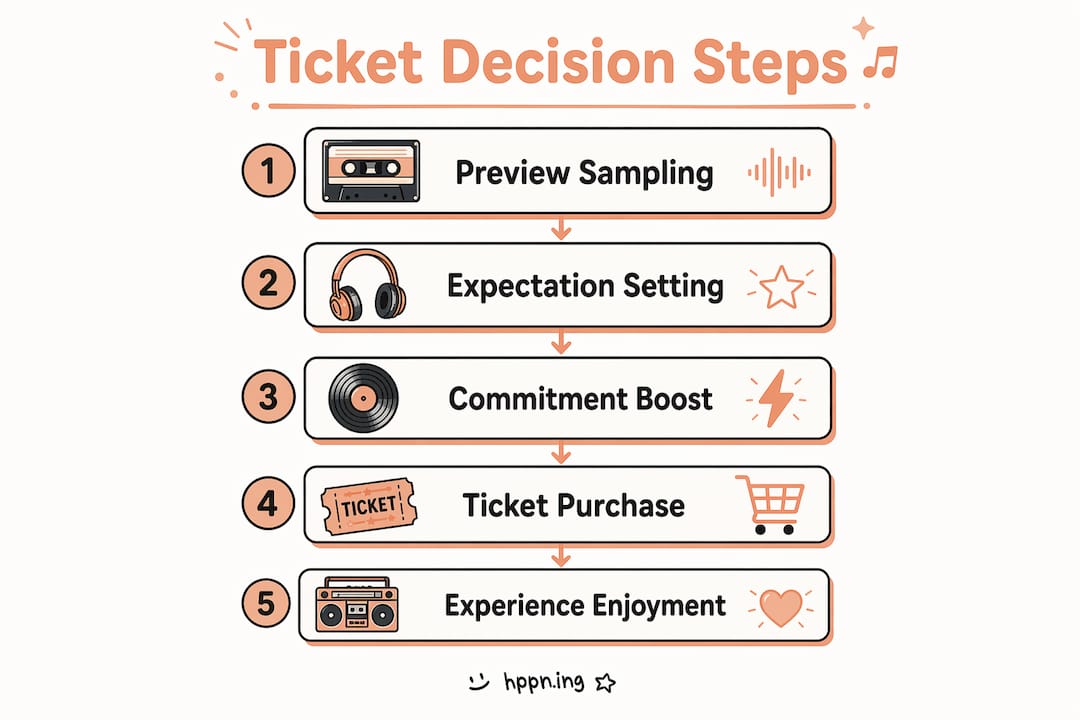
The psychological mechanism works in two stages. First, a preview gives you enough information to form a realistic expectation. Second, that expectation primes your brain to engage more deeply once you're actually at the show. Pre-event content activates cognitive readiness, encouraging early engagement and reducing the skepticism that kills conversions. Fans who arrive primed ask better questions, notice more details, and report higher satisfaction.
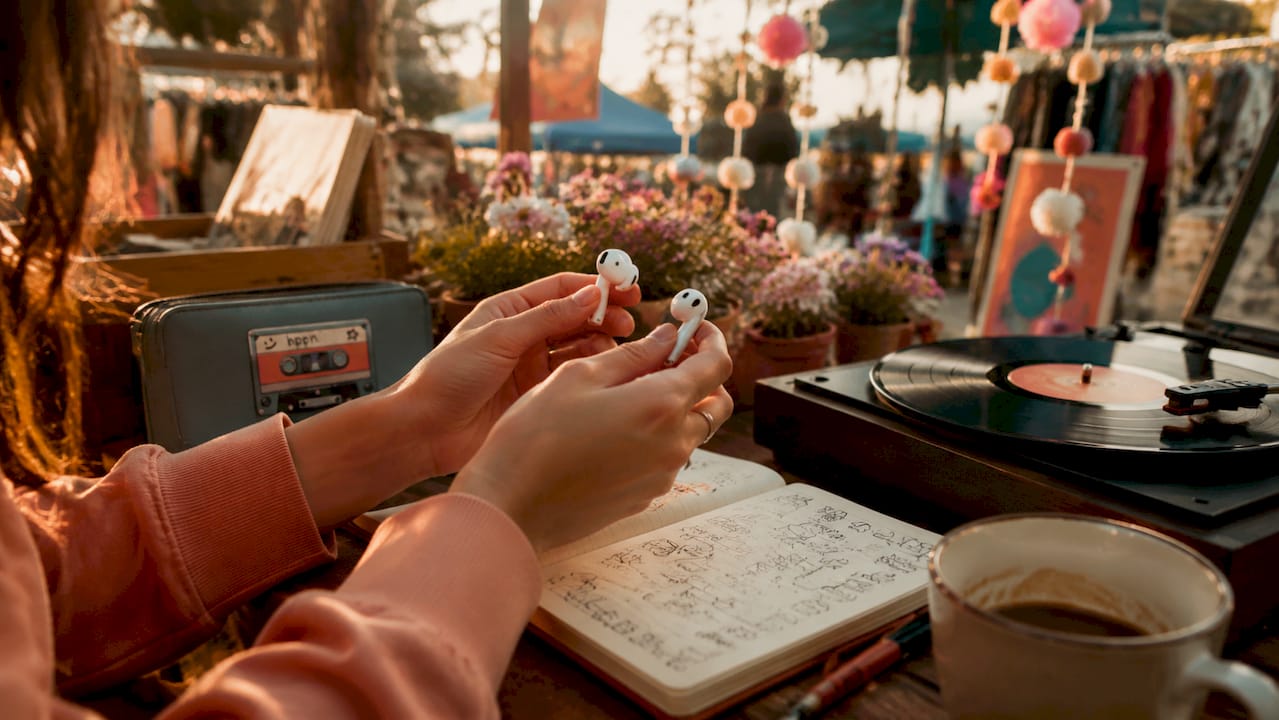
Physical and emotional anticipation also play a real role. Performers actively use audience anticipation as a performance variable, converting nervous energy into focused delivery. When you've already watched a clip of an artist's live set, you walk into the venue with a mental map of what to expect. That alignment between expectation and reality is what turns a good show into a memorable one.
Here's what previews specifically help you evaluate before you buy:
- Sound quality and mix. A live clip tells you whether the artist's sound translates from studio to stage.
- Setlist style. Does the artist play deep cuts, crowd-pleasers, or a mix? A preview clip answers this fast.
- Stage presence and energy. Some artists are magnetic live. Others are flat. You can tell within two minutes of footage.
- Venue vibe. Clips filmed in similar venue sizes give you a realistic sense of the atmosphere you're buying into.
Pro Tip: Watch preview clips filmed in venues similar in size to the one you're considering. A stadium clip tells you almost nothing about what a 300-person club show will feel like.
Why producers use previews as a marketing strategy
Broadway producers figured this out decades ago, and live music is catching up fast. Preview performances function as a near A/B test environment for gauging audience reaction and refining messaging before a show's official run. That's not just a theater concept. Any live performance producer releasing early content or hosting preview shows is running the same experiment.
The feedback loop works like this:
- Release preview content or host early shows. Audience reactions, social shares, and ticket inquiry spikes all become data points.
- Monitor social media buzz in real time. Early word-of-mouth signals which elements of the show resonate and which fall flat.
- Adjust messaging and creative assets. If fans respond to a specific song clip or a particular visual, that becomes the centerpiece of the marketing push.
- Optimize final show elements. Creative teams stand at the back of the house during previews to collect direct feedback and make iterative improvements before the official opening.
- Convert preview buzz into ticket sales. Positive early reactions drive urgency and social proof, which accelerates purchases.
The risk in this model is speed. Negative online word-of-mouth travels faster than any correction. A poorly received preview clip can damage a show's reputation before the marketing team has time to respond. Producers who treat previews as a marketing asset rather than just an early performance understand this trade-off and plan accordingly.
"Audience reactions during previews provide producers with a marketing feedback loop, signaling how well the show lands with fans before the full campaign launches." — Broadway News
Linking musical excerpts directly to ticket pages transforms the buying experience from a transactional form into an editorialized musical space. That's a meaningful shift. Fans don't just see a date and a price. They hear the artist, feel the energy, and make a decision grounded in experience rather than speculation.
Are preview tickets actually cheaper? common misconceptions
The most common misconception about preview tickets is that they're significantly discounted. They're not. One marketing expert recommends preview pricing at 40–50% off, but in practice, preview tickets are often only marginally cheaper than post-opening prices. The discount rarely reflects the actual trade-off you're accepting.
Here's a direct comparison of what you get and what you give up:
| Factor | Preview Ticket | Standard Ticket |
|---|---|---|
| Price | Slightly lower, rarely dramatic | Full price after opening |
| Show consistency | Still being tuned and adjusted | More polished, finalized |
| Setlist stability | May change between shows | Generally locked in |
| Social proof available | Limited, early reactions only | Full reviews and fan feedback |
| Discovery value | High, especially for new artists | Lower, show is already known |
The key insight here is that preview shows are still being tuned. Buyers should expect less consistency but also the genuine possibility of witnessing something evolve in real time. That's a different kind of value than a polished final product, and it appeals to a different kind of fan.
Early negative social media reactions are another trap. Fans who post harsh takes after a preview performance often don't account for the fact that the show is still in development. Early negative word-of-mouth can damage previews unfairly, and fans reading those reactions should weigh them with that context in mind.
Pro Tip: If you're buying a preview ticket primarily for the discount, reconsider. Buy it because you want to be part of the discovery process, not because you expect a finished show at a bargain price.
How to use event previews to make smarter ticket decisions
The value of previews for events depends entirely on how you consume them. Watching a low-quality fan recording from the back of a 10,000-seat arena tells you almost nothing about a 500-person club show. Sampling previews in conditions similar to live attendance eases the cognitive transition and gives you a more accurate read on what you're buying.
Here's how to get the most signal from any preview before you buy:
- Prioritize official content over fan clips. Official preview videos are filmed with intent. They show you what the artist and team want you to see, which is usually the strongest material.
- Check the venue size match. A preview filmed in a 2,000-seat theater doesn't tell you much about a rooftop show. Match the scale.
- Focus on the three core signals. Sound quality, setlist style, and performance authenticity are the key indicators of fit between the show and your preferences.
- Read social reactions with a delay. Immediate post-show Twitter or Instagram reactions are emotional, not analytical. Wait 24–48 hours for more considered takes.
- Use platform tools built for this. Hppn lets you find new music through live shows and preview artists before you commit, which is exactly the workflow described here.
- Engage with official pre-event materials. Artist announcements, track releases tied to tour dates, and short-form video content all serve as preview signals. They prime your expectation and reduce the chance of a disappointing night.
The goal is not to eliminate all uncertainty. Some uncertainty is what makes live music exciting. The goal is to replace uninformed guessing with informed curiosity. That's the real value of previews for events.
Key takeaways
Event previews are the most direct tool concert-goers have for converting uncertainty into a confident ticket purchase decision.
| Point | Details |
|---|---|
| Previews reduce uncertainty | Sampling audio or video before buying removes the guesswork that stops hesitant fans from committing. |
| Cognitive priming improves the experience | Pre-event content activates readiness, so fans arrive engaged and leave more satisfied. |
| Preview pricing is rarely a bargain | Discounts are marginal; the real value is discovery and early access, not savings. |
| Shows are still evolving during previews | Expect less polish but more authenticity, and weigh early social reactions carefully. |
| Signal quality matters more than quantity | Focus on sound, setlist style, and performance energy rather than volume of preview content. |
What i've learned watching the preview culture shift
I've been covering live music long enough to remember when "previewing" an artist meant hoping a friend had seen them before. You bought the ticket on reputation alone, showed up, and either had the night of your life or stood in the back wondering why you came. That era is over, and I don't miss it.
What's changed isn't just technology. It's the expectation. Fans now treat previews as a normal part of the decision process, the same way you'd watch a trailer before buying a movie ticket. The live video content available before most shows today would have seemed impossible ten years ago. A 90-second clip of an artist's stage presence tells you more than three paragraphs of press copy.
The part that still surprises me is how few fans use previews strategically. Most people watch one clip, form an instant opinion, and either buy or don't. The smarter move is to treat the preview like a checklist. Does the sound translate live? Does the artist connect with the crowd? Is the energy consistent across the set, or does it peak early and fade? Those questions take two minutes to answer with the right clip.
The other thing I'd push back on is the idea that previews spoil the surprise. They don't. Knowing what an artist sounds like live doesn't tell you how it will feel to be in that room when they play your favorite track. That part is still yours to discover. Previews just make sure you show up for it.
— Ari
Discover artists on Hppn before you buy
Hppn is built for exactly the kind of informed ticket buying this article describes. The platform lets you browse concerts by location, preview artists through video and audio, and find emerging performers you won't see on mainstream charts. You're not buying blind. You're buying with context.
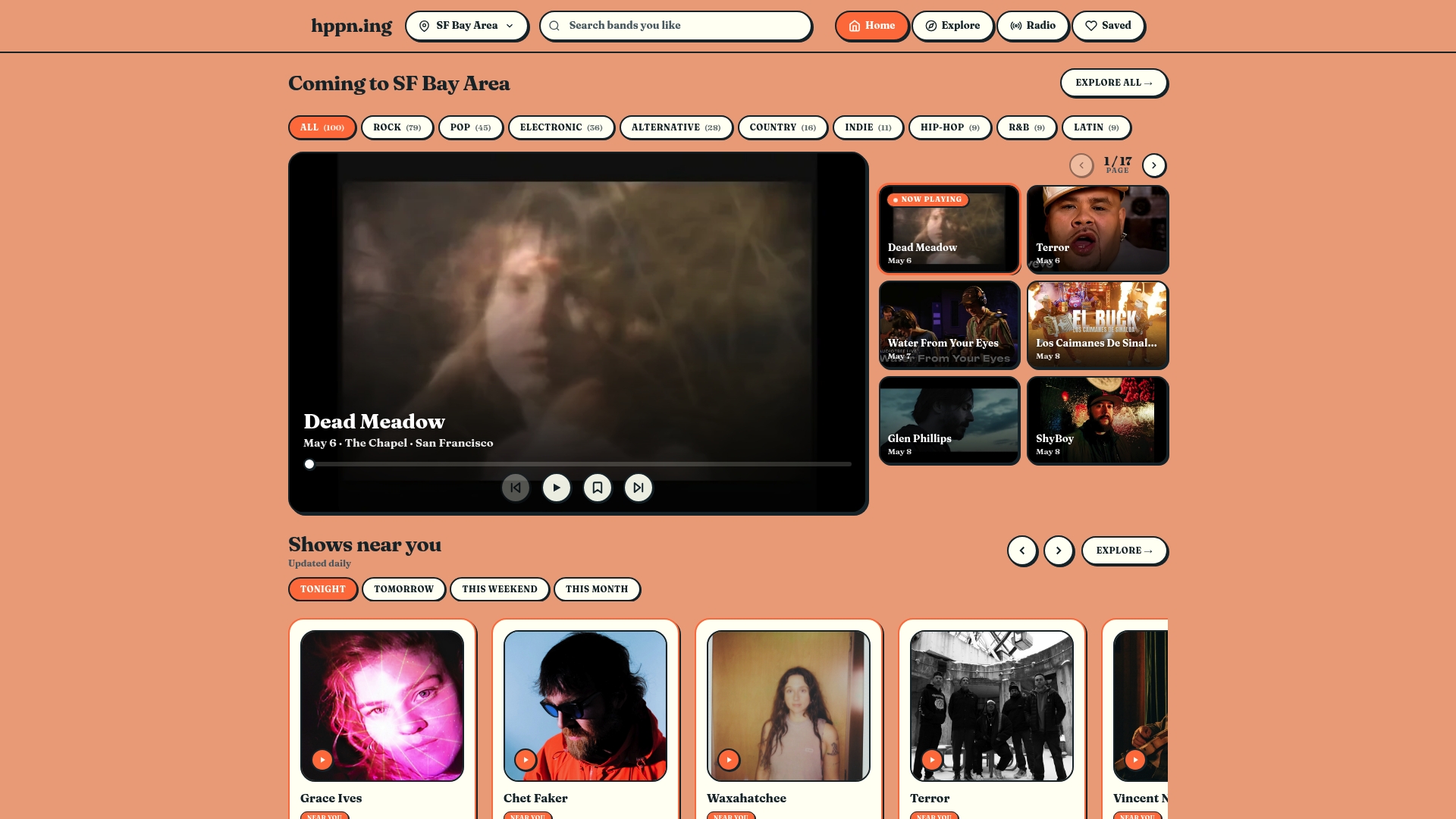
Whether you're looking for a local underground act or a touring artist passing through your city, Hppn gives you the preview tools to decide with confidence. Search artists and preview music before you commit, check trending local performers in your area, and access tickets through a single platform designed for fans who take their live music seriously. Start exploring at hppn.ing.
FAQ
What is the role of event previews before buying tickets?
Event previews reduce uncertainty by letting fans sample an artist's live sound, stage presence, and setlist style before committing to a purchase. They convert curiosity into confidence, making ticket decisions more informed and less risky.
Do event previews actually influence ticket sales?
Yes. Pre-listening and preview content act as cultural uncertainty reducers, directly increasing the likelihood that hesitant buyers complete a purchase. Producers also use preview reactions to refine marketing and drive final sales.
Are preview tickets always cheaper than regular tickets?
Not significantly. Preview pricing is often only marginally lower than standard ticket prices, and the real trade-off is attending a show that is still being adjusted rather than a finished, polished performance.
How should i evaluate a preview before buying?
Focus on three signals: sound quality in a live setting, setlist style, and the artist's performance authenticity. Watch clips filmed in venues similar in size to the one you're considering for the most accurate read.
Can early social media reactions about a preview be trusted?
Use them with caution. Immediate reactions are emotional and often don't account for the fact that preview shows are still evolving. Wait 24–48 hours for more balanced takes before letting social buzz drive your ticket decision.